Hủ tiếu Nam Vang in Saigon: a bowl with several connections
Read the Phnom Penh connection behind Saigon hủ tiếu Nam Vang, compare dry and soup versions, and use a noodle meal to make a market walk more meaningful.
 Cat Ba Connect3 min read
The short answer
Nam Vang is the Vietnamese name associated with Phnom Penh. In Saigon, hủ tiếu Nam Vang commonly combines rice noodles with pork, shrimp and other toppings in or beside broth. The name is a useful clue to a regional connection, but it does not mean every bowl in the city follows one Cambodian recipe.
Read Nam Vang on the menu
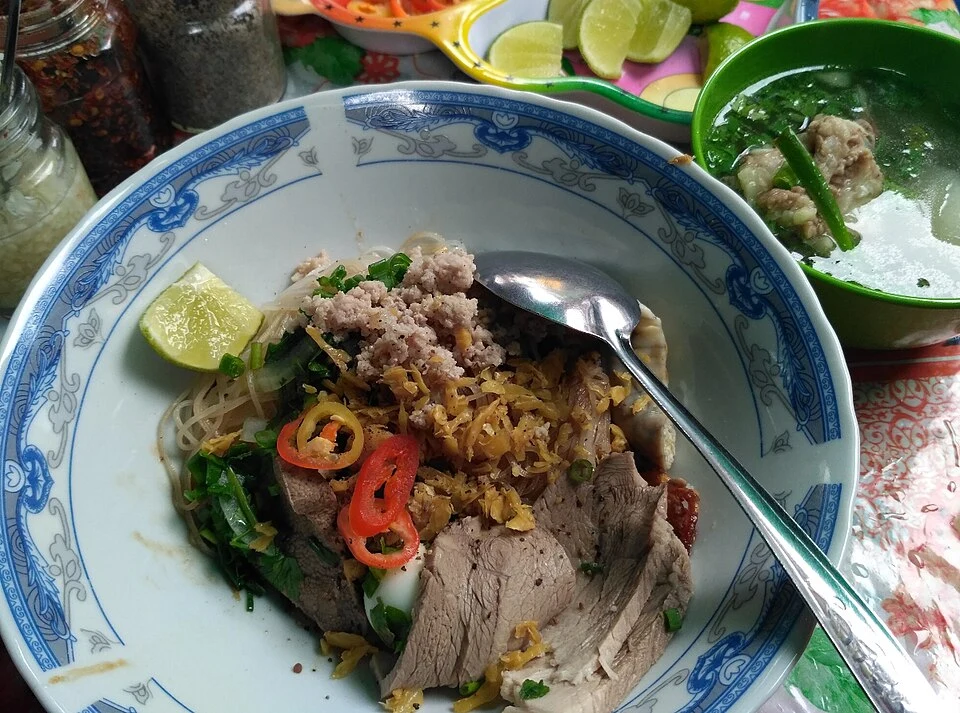
A useful first distinction is between the noodle itself and the style named after Nam Vang. Hủ tiếu can appear in several preparations around Saigon, while the fuller name narrows the conversation to a recognisable combination of noodles, stock and toppings. Keep the complete wording when you order. Then ask whether the shop serves the components together or separates the seasoned noodles from a bowl of broth for its dry version.
Understand adaptation without choosing an inventor
Vietnam Tourism describes hủ tiếu through Chinese, Cambodian and Vietnamese connections. Treat those as overlapping culinary histories rather than a contest over ownership. Different noodle textures and serving arrangements show how a dish can become local through repeated use and adaptation. A food stop can introduce that movement without turning a complicated history into a neat origin tale.
Choose soup or a separate broth
Ask whether the shop serves nước, with soup, or khô, with seasoned noodles and broth separately. The dry option is not a promise of a lighter meal: sauces and toppings still matter. Confirm whether offal or quail eggs are included, and whether your preferred ingredients can be omitted before the bowl is assembled.
Connect the bowl with a market walk
Have the meal before a market visit so that noodle displays, herb baskets and condiment shelves become recognisable ingredients. Walk rather than eat while moving through busy aisles. If a seller has time, a simple question about a noodle name is more useful than assuming everything white and narrow is the same rice vermicelli.
Compare forms rather than rank regions
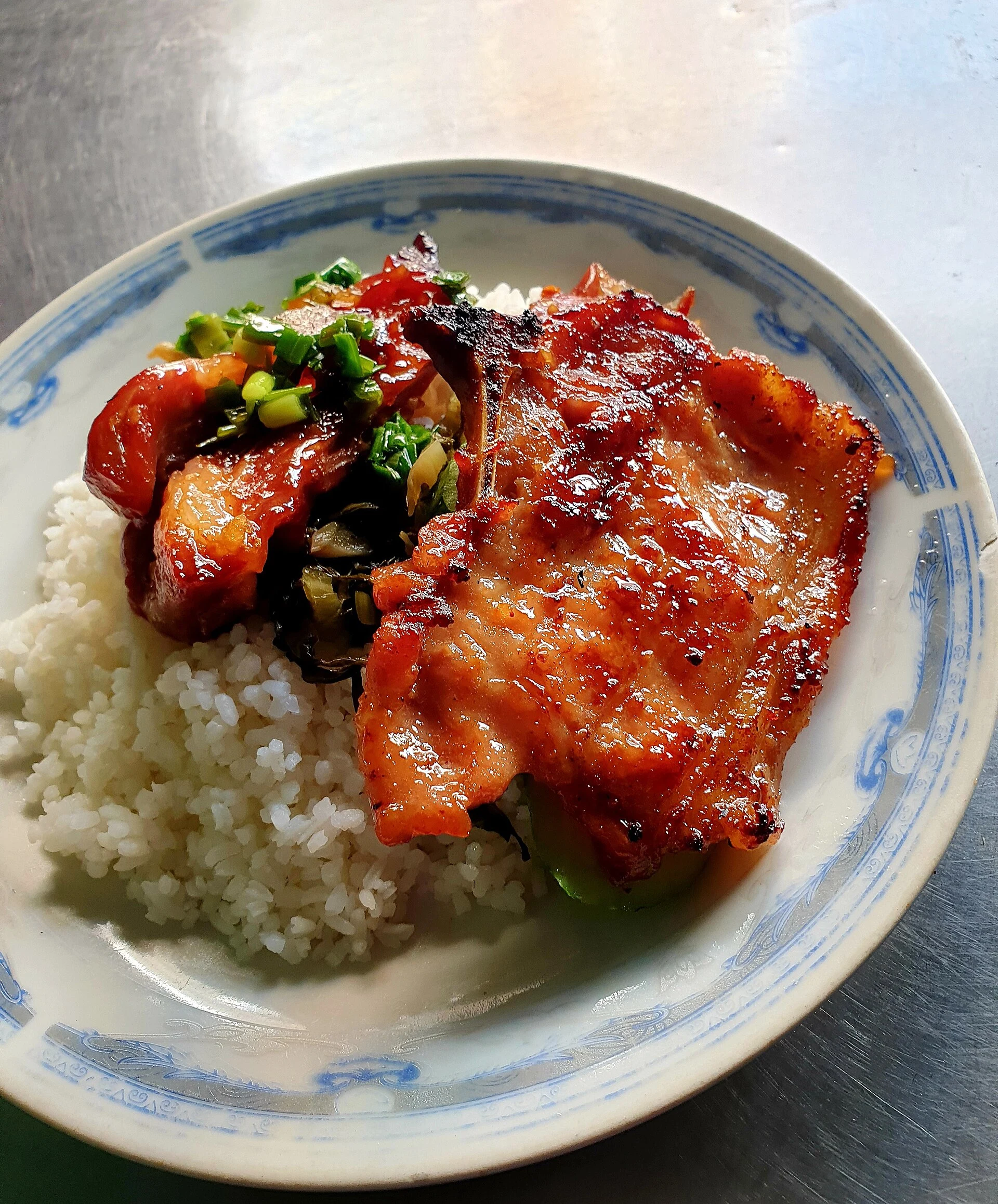
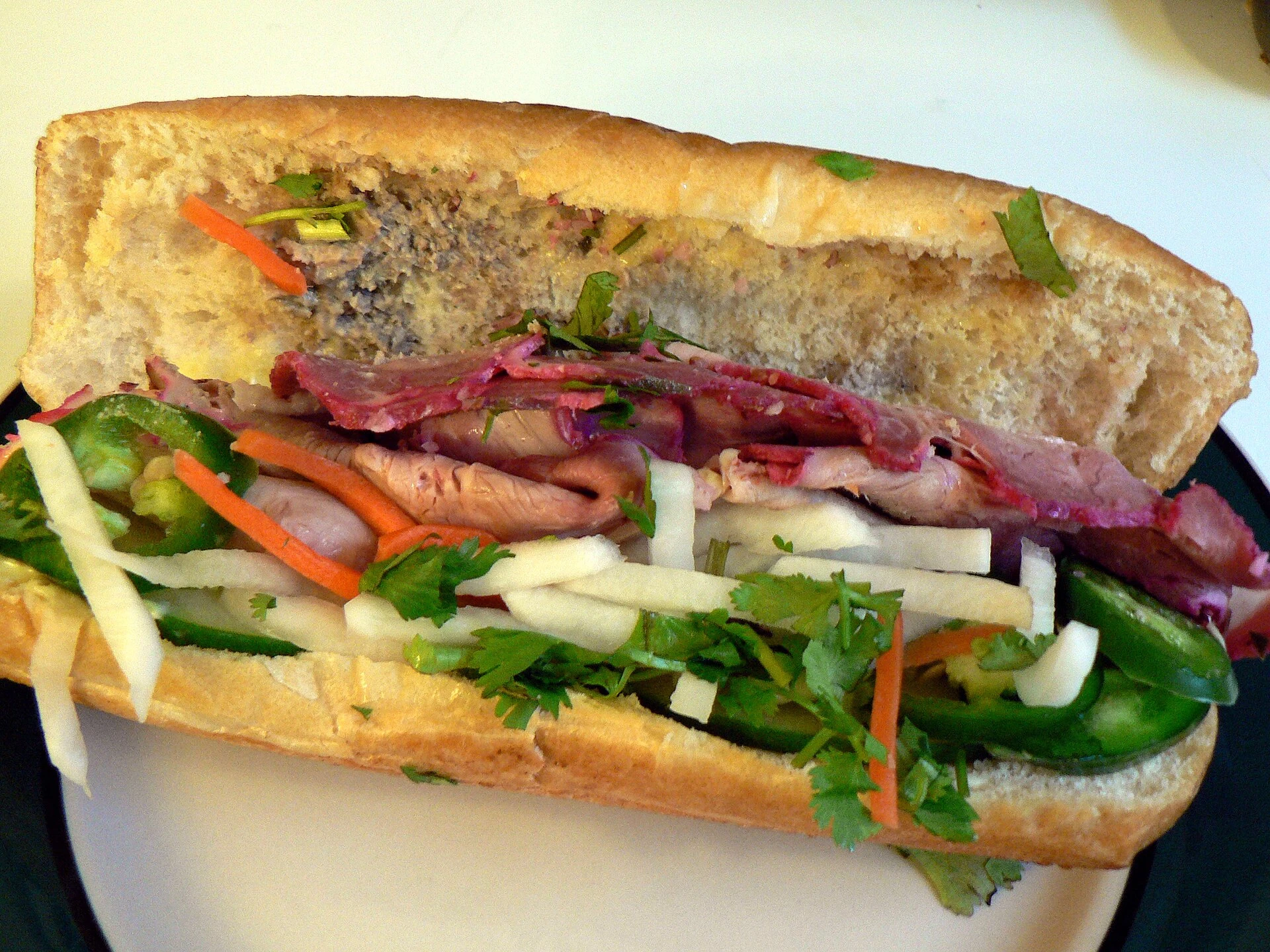
Use a later cơm tấm meal to compare the city’s food formats: a rice plate, a broth bowl and perhaps a bread sandwich. This is more revealing than trying to declare one regional cuisine superior. Leave time between tastings, especially if you want to notice how the noodle, stock and topping work separately before adding table condiments.
The complete name and serving method prevent a useful distinction from disappearing: Nam Vang is not a synonym for every hủ tiếu, and khô does not mean the broth has no role. Ask whether the topping you want belongs to the standard serving or is added separately. This clarifies the meal more directly than trying to settle a disputed ancestry at a busy stall.
Questions travellers ask
What does khô mean when ordering?
It usually means seasoned noodles served separately from a bowl of broth; confirm the shop’s arrangement.
Must it contain offal?
Toppings vary; ask what the kitchen includes before the bowl is assembled.