Bánh mì Saigon: understand the layers before ordering
Understand the bread, fillings, pickles and sauces of Saigon bánh mì, then choose one clear order and a sensible food stop during a city walk.
 Cat Ba Connect3 min read
The short answer
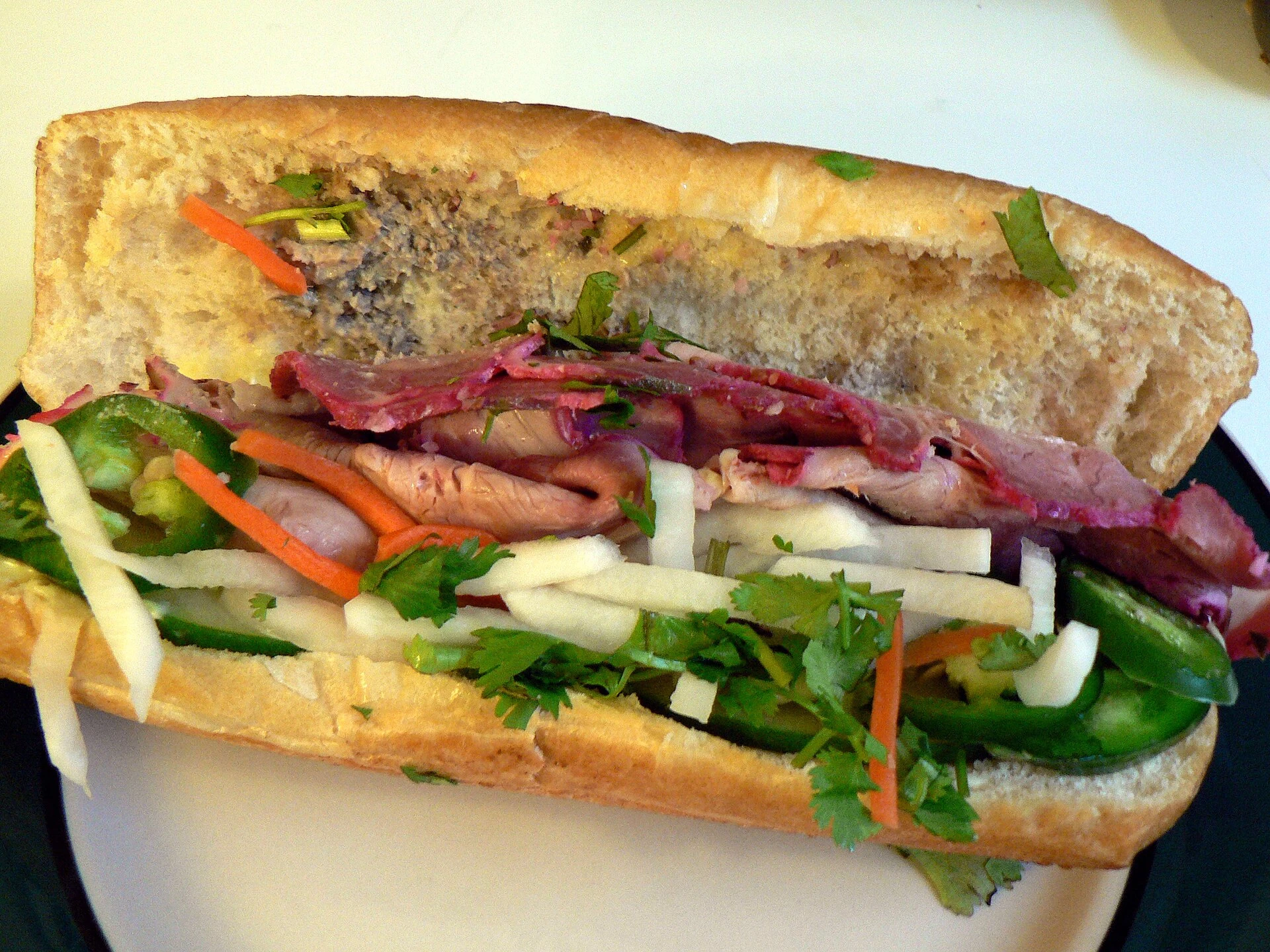
Bánh mì names both bread and, in a meal context, a filled sandwich. A Saigon order often balances a crisp roll with savoury fillings, pickles, herbs and sauce. The practical question is therefore not simply whether a shop sells bánh mì, but which version it is preparing and what goes inside yours.
Bread is only the beginning
At a sandwich counter, the order matters: a split roll receives spreads, a main filling, vegetables and finishing seasonings in quick succession. Watching this sequence makes it easier to ask for a change at the right moment. A request about pâté belongs before the first spread, while a request about chilli belongs before the final seasoning. Names on a short menu often highlight the filling rather than every layer inside the bread.
A city tells its story through combinations
The national tourism board places bánh mì within Saigon’s diverse everyday food culture. The baguette connection is part of the wider story, while the sandwich’s flavour comes from local combinations and changing habits. Avoid treating every modern filling as a departure from one original, universally agreed recipe. Variation is something to observe, not a defect to correct.
Make one clear order
Identify the main filling, then ask about pâté, mayonnaise or other spreads, chilli and coriander. Removing visible meat does not make an already assembled sandwich vegetarian. If an ingredient matters to you, discuss it while the bread is still empty. Pointing to a displayed filling can help, but ask its name rather than relying only on appearance.
Keep the roll close to the walk
Buy a sandwich when you are ready to eat, not at the beginning of a long series of transfers. A short seated break near your next cultural stop makes the contrasts easier to notice than eating beside traffic. Carry the wrapper until you find a bin and avoid resting food on museum walls, shrines or shop merchandise.
Follow texture into another meal
For a useful comparison, try bánh xèo on another occasion. Bread offers a shell holding a prepared filling; the pancake introduces tearing, wrapping and dipping at the table. Both combine crispness with herbs, yet the way you assemble the mouthful changes the experience. A coffee break afterwards can become an observation of street life rather than another food challenge.
The bread’s crispness and the filling’s acidity are separate features. Pickles can change the balance even when the main meat stays the same, while spreads affect richness. Ask about those layers before the roll is filled. For takeaway, follow the kitchen’s handling guidance and avoid treating a freshly assembled sandwich as a convenient item to keep through a whole sightseeing day.
Questions travellers ask
Is a plain-looking bánh mì automatically meat-free?
No. Ask about pâté, spreads, stock-based sauces and the full filling before ordering.
When should I buy a filled sandwich?
Buy when ready to eat and follow the kitchen’s guidance if taking it away.