Saigon cơm tấm: the meaning of broken rice
Discover Saigon’s broken-rice plate, its modest grain and changing toppings, with ordering advice and a breakfast plan that fits a city walk.
 Cat Ba Connect3 min read
The short answer
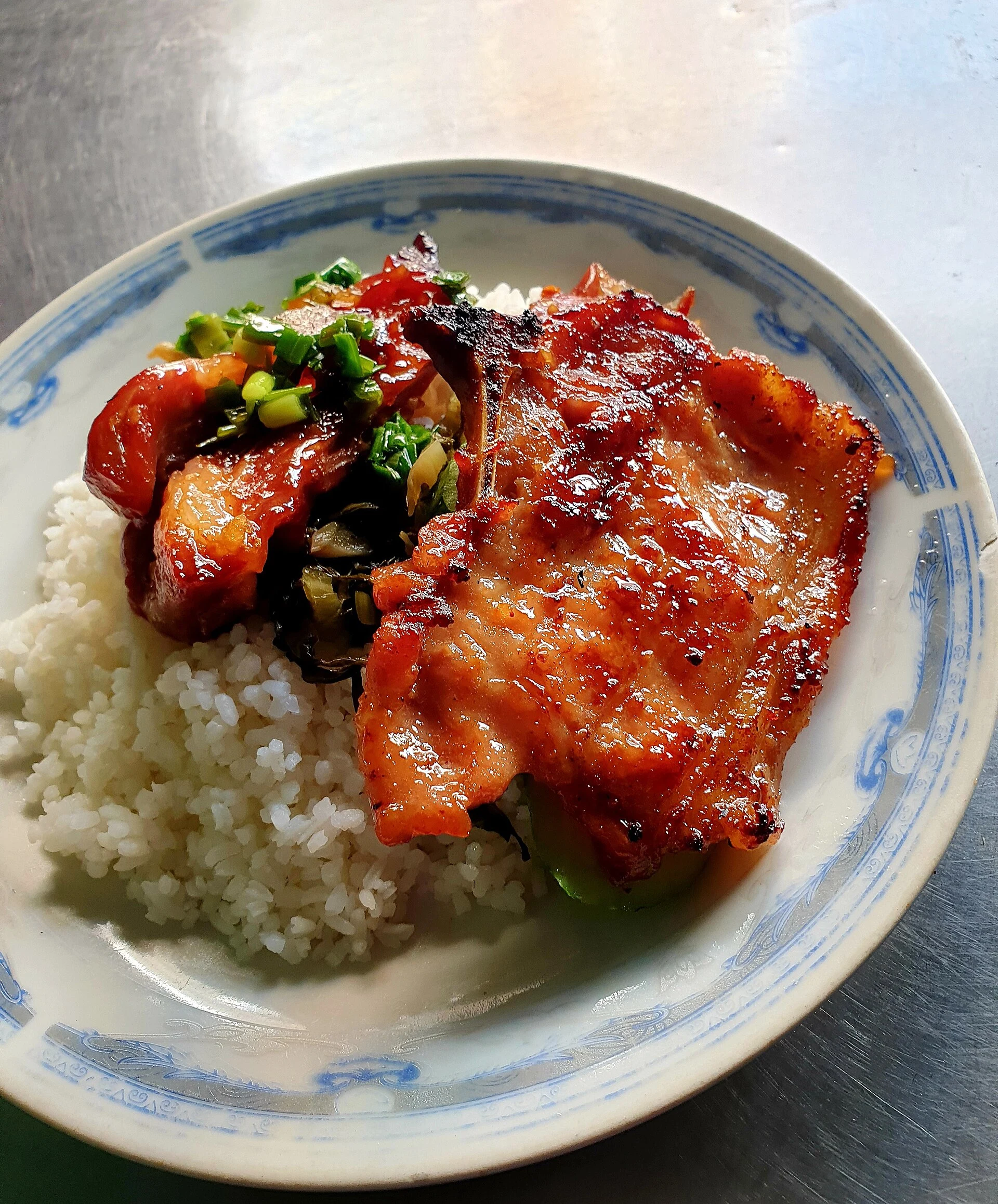
Cơm tấm is a rice plate built around broken grains, often accompanied by grilled pork. The important word is tấm: it describes the rice rather than a mandatory set of toppings. A fried egg, shredded pork skin or steamed egg-and-meat loaf may appear, but a photograph of one generous plate is not a recipe that every shop follows.
Start with the grain
Look closely at the rice beneath the toppings: the small fractured pieces are the feature that gives this plate its name. Grilled meat can dominate a photograph, but the grain remains the starting point for understanding the dish. When a menu offers sườn, bì or chả, those words identify choices around the rice. Ask which components belong to the listed serving and which are additions before assembling a large mixed order.
A modest ingredient becomes a city signature
Vietnam Tourism connects the dish with the former use of broken grains that were harder to sell. That account explains its everyday associations better than an invented founding date. The interesting change is in value: an overlooked milling product becomes the reason diners choose a meal. Saigon’s busy food culture gives this modest grain a highly visible place.
Build a balanced first plate
Ask what each topping contains before ordering a mixed plate. Taste a little rice with pork first, then add the accompanying sauce gradually. Pickled vegetables and cucumber change the mouthful without requiring every ingredient to be mixed together. If you dislike rich combinations, choose fewer toppings instead of assuming a special plate is the best introduction.
Use breakfast to notice the neighbourhood
Fit cơm tấm into an ordinary morning before a museum visit or a walk around the centre. Watch how takeaway orders and seated meals share the same counter, without blocking people buying breakfast. Choosing a convenient nearby shop can reveal more about daily city rhythms than crossing town solely to reproduce a famous photograph.
Continue through Saigon’s food vocabulary
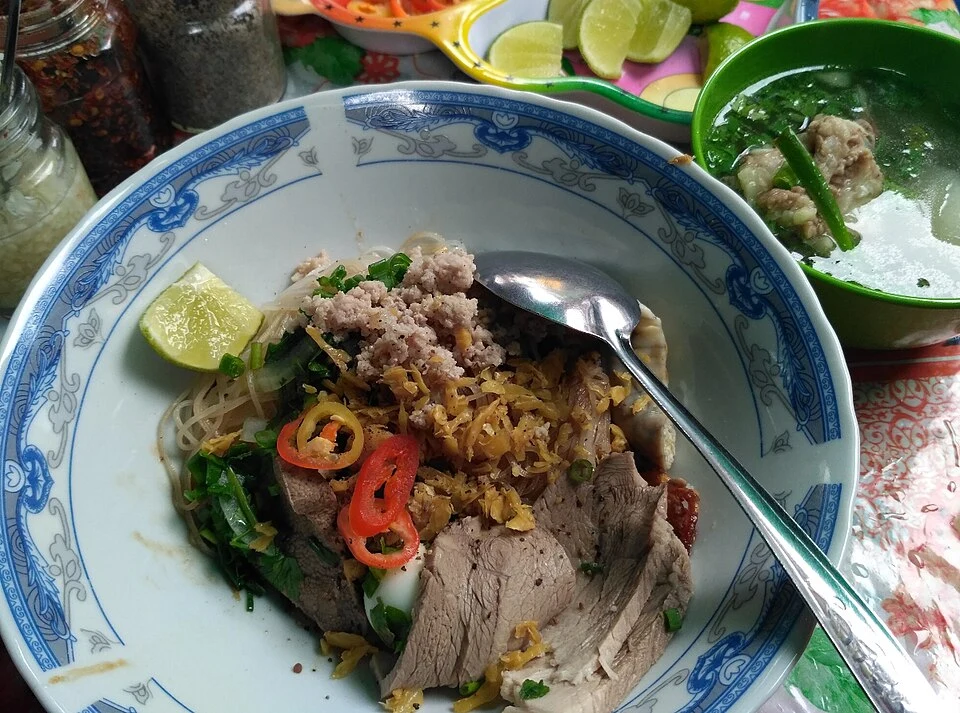
Compare the rice plate with hủ tiếu Nam Vang later in the visit. One centres a grain and grilled topping; the other turns attention to noodles, broth and migration. Keep a separate coffee break for a slower pause. This creates contrast across the day and makes each dish easier to remember as more than another item on a checklist.
At the counter, choose the rice plate first, then the pork cut and any additional topping. A mixed order is not automatically the most informative choice. Two diners can ask whether separate accompaniments are possible, especially when one wants egg and the other does not. A concrete request gives the kitchen something clearer to answer than asking for the city’s definitive plate.
Questions travellers ask
Does tấm mean a particular topping?
No. It refers to broken rice; the accompaniments depend on the shop and order.
Should I order every topping?
No. Ask what is included and choose a combination that suits your appetite.