Cholon and Thien Hau Temple: read a living community landmark
Visit Cholon’s Thien Hau Temple with context for its community role, architectural details and respectful observation of a living place of worship.
 Cat Ba Connect2 min read
The short answer
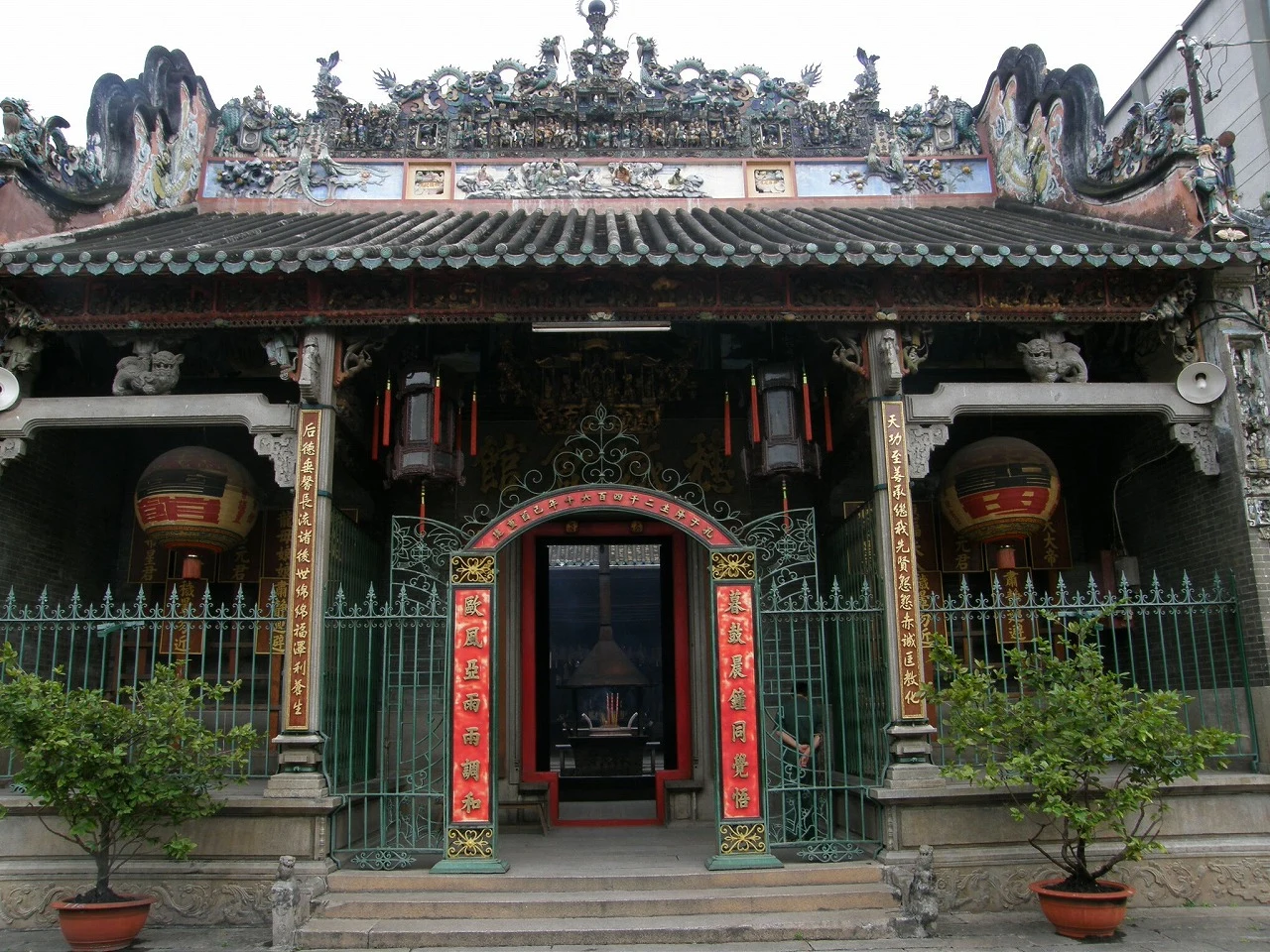
Thien Hau Temple, also known as Tue Thanh Assembly Hall, is a community and religious landmark in Cholon. Visit for its architecture and continuing worship, with room for the surrounding neighbourhood.
Find the right Thien Hau temple
Thien Hau temples exist in several Vietnamese communities, so confirm the Cholon landmark on Nguyen Trai Street rather than relying on the name alone. The city tourism directory identifies it with Tue Thanh Assembly Hall. That assembly-hall identity is useful: the building belongs to the history of a community as well as a religious tradition. It offers a different starting point from the colonial-era landmarks around the central post office. Community context matters throughout.
Read the hall through its details
Slow down at the transition from the street to the courtyard and principal worship spaces. Look for the relationship between roof decoration, inscriptions and the movement of people through the hall. A short visit can be rewarding if you choose a few details and ask what they mean. Avoid assuming every figure is interchangeable or that every decorative scene tells the same story; local interpretation helps make the architecture legible.
Let worship set the pace
Stand where you will not block people making offerings or entering a shrine. Keep your voice low, dress considerately and ask before photographing anyone at prayer. Incense can be intense, so visitors who find smoke uncomfortable should be willing to shorten the interior part. Observe staff or community instructions about access and photography. The value of the place comes partly from its continuing use, not from having an empty background.
Walk Cholon as a working neighbourhood
Outside the hall, businesses, deliveries and residents continue their day. Stay attentive on pavements and do not turn a shop entrance into a group gathering point. Ask before photographing workers or stepping into a business for a closer view. If you want to understand a craft, medicine shop or food tradition, ask a specific question rather than treating the whole neighbourhood as a single generic Chinatown attraction.
Plan a focused district visit
Give Cholon its own portion of the day instead of treating it as a quick detour between central museums. Confirm a return pickup location that the whole group can identify. A temple, a careful street walk and a meal can produce a more coherent visit than several hurried halls. Compare what you see here with other community architecture in Vietnam, while avoiding the assumption that different Chinese-Vietnamese communities share identical histories.
Questions travellers ask
Is this the Thien Hau temple in Thu Dau Mot?
No. This article concerns the Cholon temple on Nguyen Trai Street, also identified as Tue Thanh Assembly Hall.
Is it mainly a museum?
Approach it as an active religious and community space. Worship takes priority over sightseeing.