Independence Palace: architecture, state rooms and April 1975
Explore Independence Palace through its architecture, official rooms and historical context, with a practical approach to a thoughtful Saigon visit.
 Cat Ba Connect2 min read
The short answer
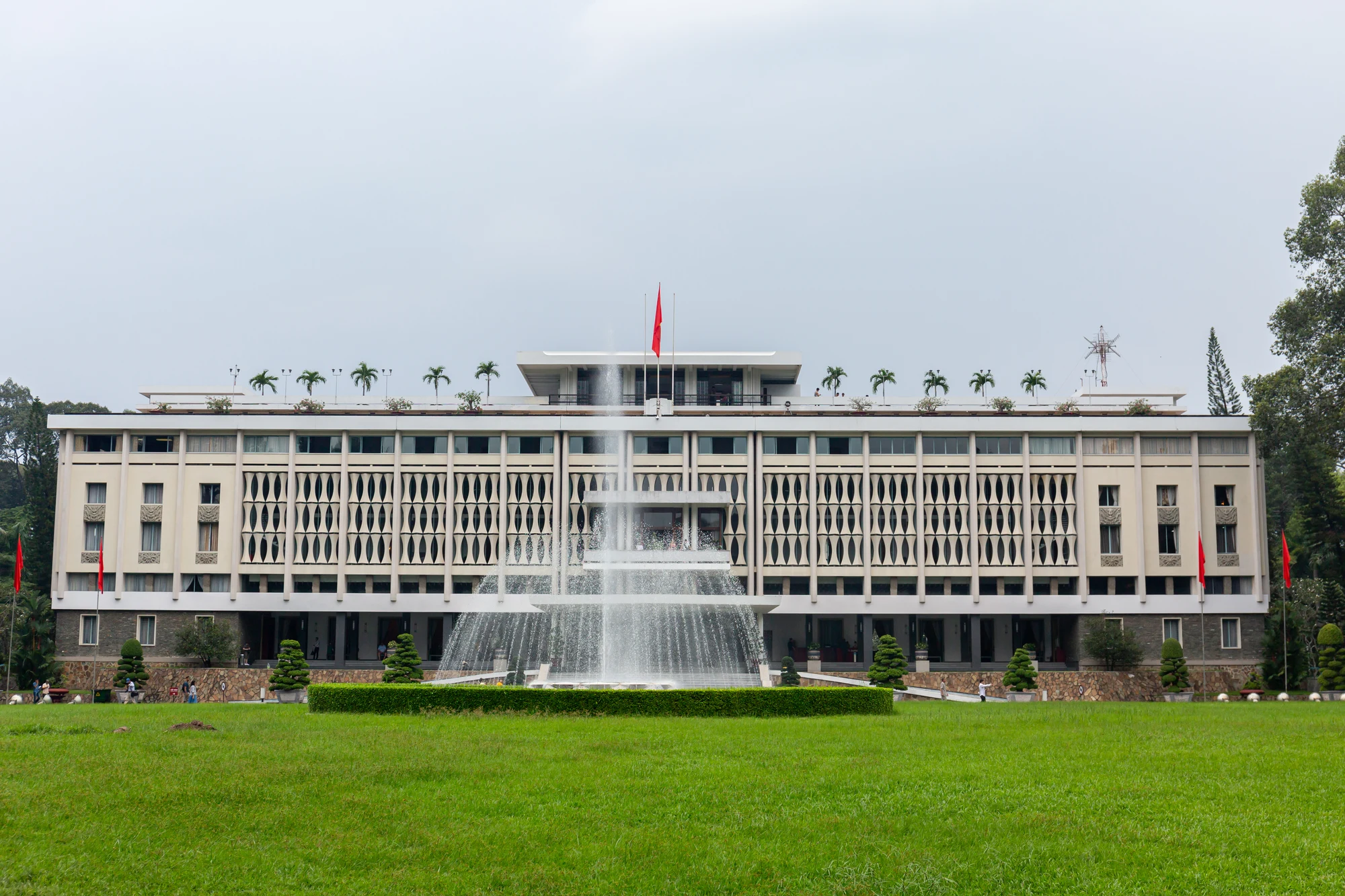
Independence Palace rewards looking at how a building organised political life as well as understanding its association with 30 April 1975. Follow the available visitor route and read the rooms as evidence of a particular period.
Understand which palace you are seeing
The present Independence Palace and the earlier Norodom Palace belong to different chapters of the same site. Start with that distinction rather than assuming every surviving room comes from the colonial period. The operator’s historical exhibition traces the transition between the buildings. If architecture is your main interest, use that introduction to compare the current structure’s language, its ceremonial purpose and the older history of the grounds beneath it. The separate exhibition can clarify this longer sequence.
Look at the building as a working system
A palace is more than a grand facade. Consider the relationship between reception spaces, meeting rooms, circulation and service areas on the route open that day. Room layouts tell you who met whom, where formal appearances mattered and how official life was separated from private activity. Look through doorways before moving on: the sequence of spaces can reveal more than a single photograph of a furnished room.
Give April 1975 its historical context
The palace is associated with the events of 30 April 1975 and the end of the war. Read the site interpretation with care and distinguish historical objects from later explanatory displays. A guide can help connect the building to the wider chronology without reducing everything to one iconic image. Questions about daily administration and civilian experience can make the visit broader than a simple account of the final military events.
Check the route before choosing your ticket
Consult the palace’s own visitor information for current admission options, exhibition inclusions and exceptional closures. The site also serves official functions, so a public visitor route should never be understood as permission to enter every room. Ask about guide or audio interpretation if you want detailed context. Mobility needs deserve a specific question about the actual route rather than a general assumption based on the building’s central location.
Add an architectural walk nearby
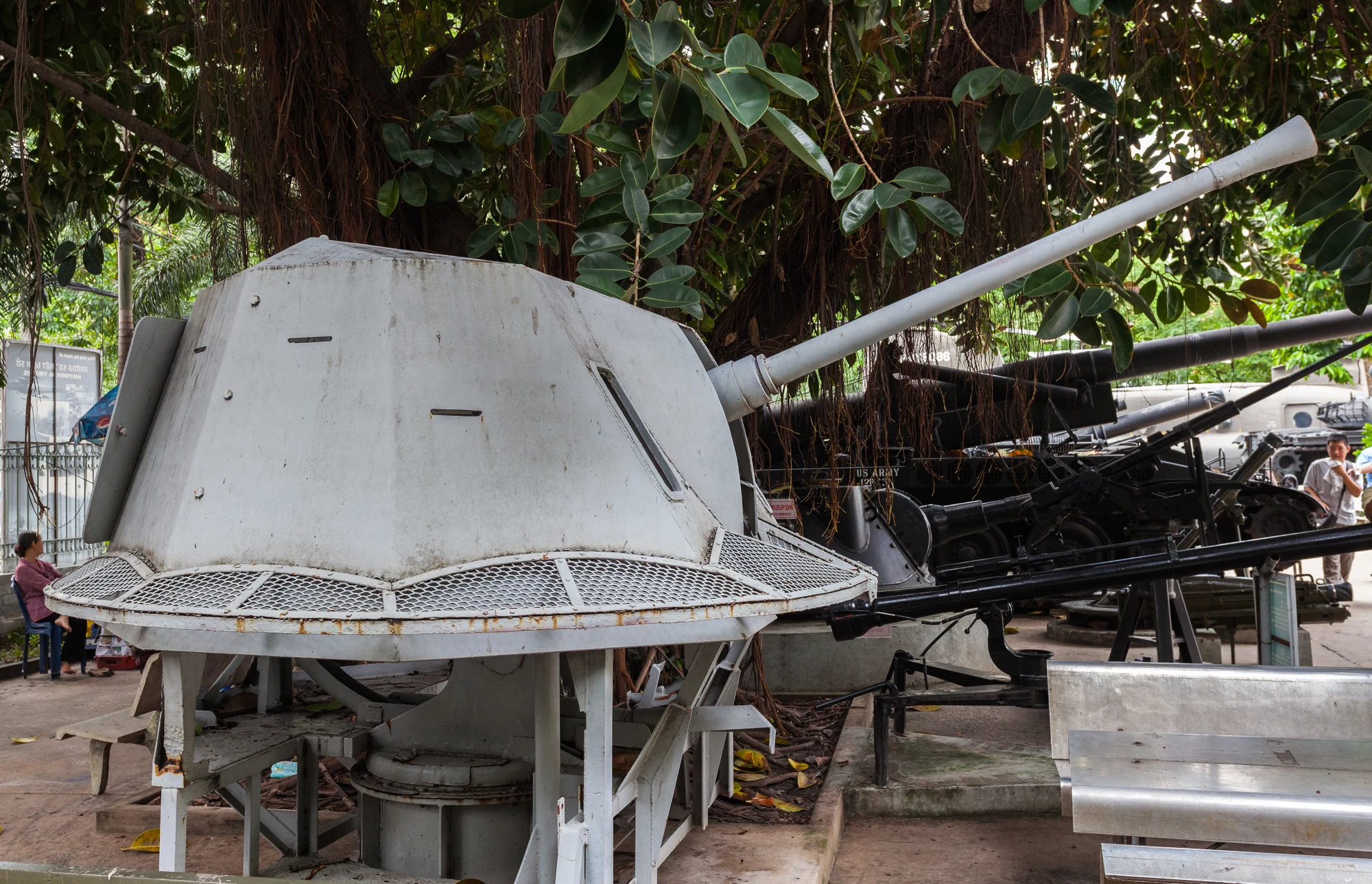
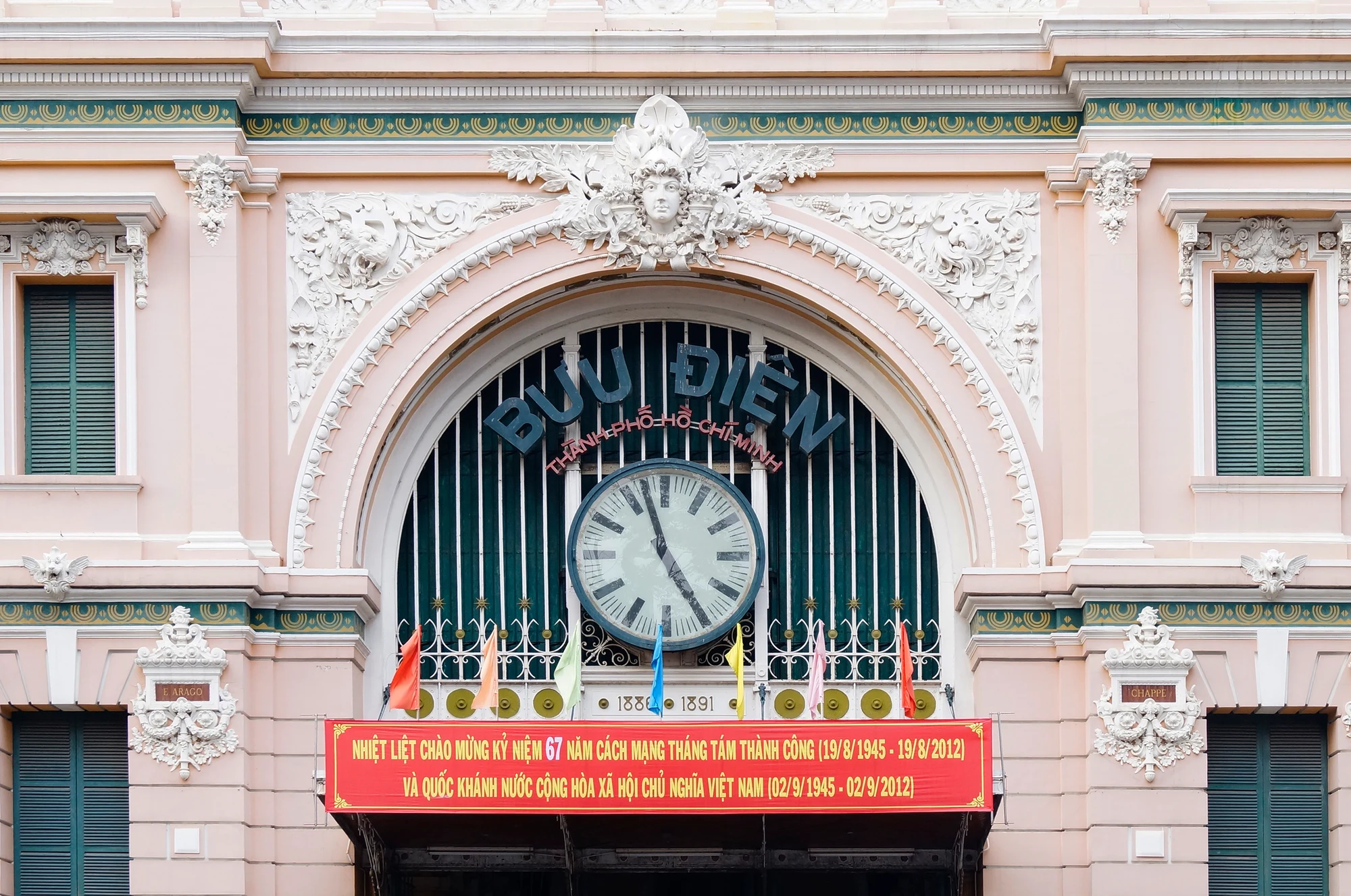
After the rooms and grounds, a walk toward the Central Post Office changes the scale from state architecture to an urban public building. Leave enough time for streets and crossings, and avoid fitting a distant excursion between two central landmarks. If you also visit the War Remnants Museum, recognise that it asks for a different kind of emotional attention. Treat the combination as two substantial visits rather than a photo checklist.
Questions travellers ask
Is this the old Norodom Palace?
The site has a longer history, but the present building is distinct from the earlier Norodom Palace. Read the historical exhibition for the sequence.
Can every room be visited?
Follow the public route and current staff instructions. Official activities or conservation needs may affect access.