War Remnants Museum: read the human stories behind the exhibits
Plan a thoughtful War Remnants Museum visit in Ho Chi Minh City, with context for its photographs, sensitive displays and space to reflect afterward.
 Cat Ba Connect2 min read
The short answer
The War Remnants Museum is a place to examine the human consequences of war through photographs and objects. Give its galleries your attention, and decide in advance how your group will approach distressing material.
Start with people rather than equipment
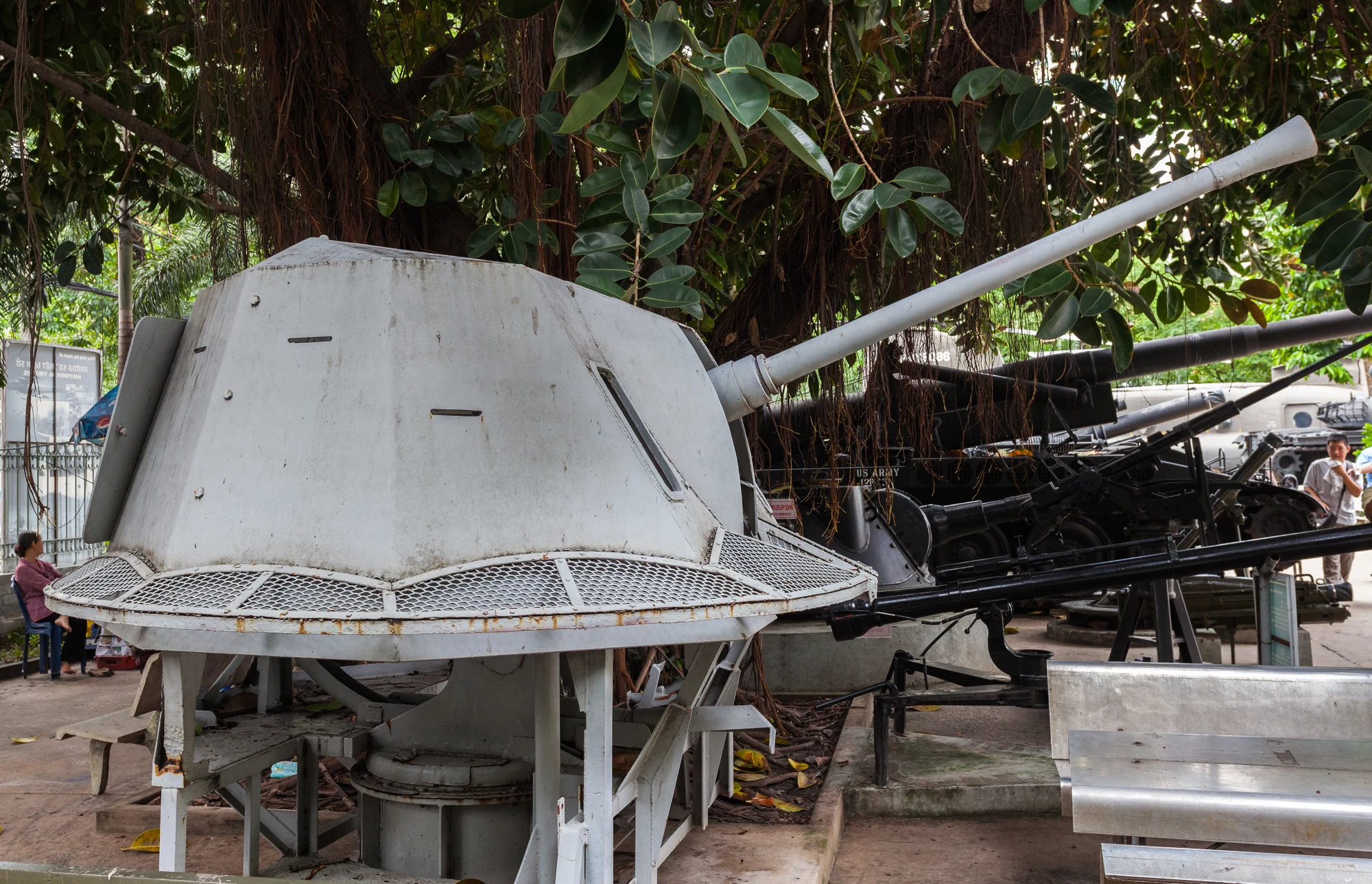
The aircraft and military vehicles outside are an immediate visual introduction, but they should not define the visit. Inside, photographs and personal accounts move attention toward civilians, families and the lasting effects of conflict. Read the introductory text before individual images. Doing so helps you understand the museum’s viewpoint and the historical questions it asks, rather than treating the displays as an isolated collection of dramatic wartime scenes. A written question can help you continue learning after the immediate emotional impact has settled.
Read photographs as historical evidence
Pause over captions, dates and the names attached to photographs. Ask who made an image, what situation it records and how the museum places it beside other material. A compelling photograph can start an inquiry without explaining an entire conflict. If a subject interests you, note it for further reading from different historical perspectives after your visit. Photography, testimony and objects become more meaningful when their contexts remain visible.
Make room for difficult material
Some galleries contain graphic images and accounts of injury and suffering. Adults accompanying children should preview the subject matter and agree on a way to step outside without pressure. Travellers who find such content overwhelming can choose fewer galleries and still engage respectfully. Keep conversation considerate, avoid celebratory poses beside sensitive displays, and follow any photography restrictions. A quiet pause is a reasonable response to what the museum presents.
Choose depth over a rushed circuit
Rather than promising to read every panel, select a theme such as civilian experience, photography or international responses and follow it carefully. Leave room for the exhibition to challenge your assumptions. If you use a guide, ask how objects entered the collection and which displays are temporary. Confirm current visitor arrangements through the museum before travelling; old opening times or admission figures should not determine a tightly scheduled day.
Leave space after the galleries
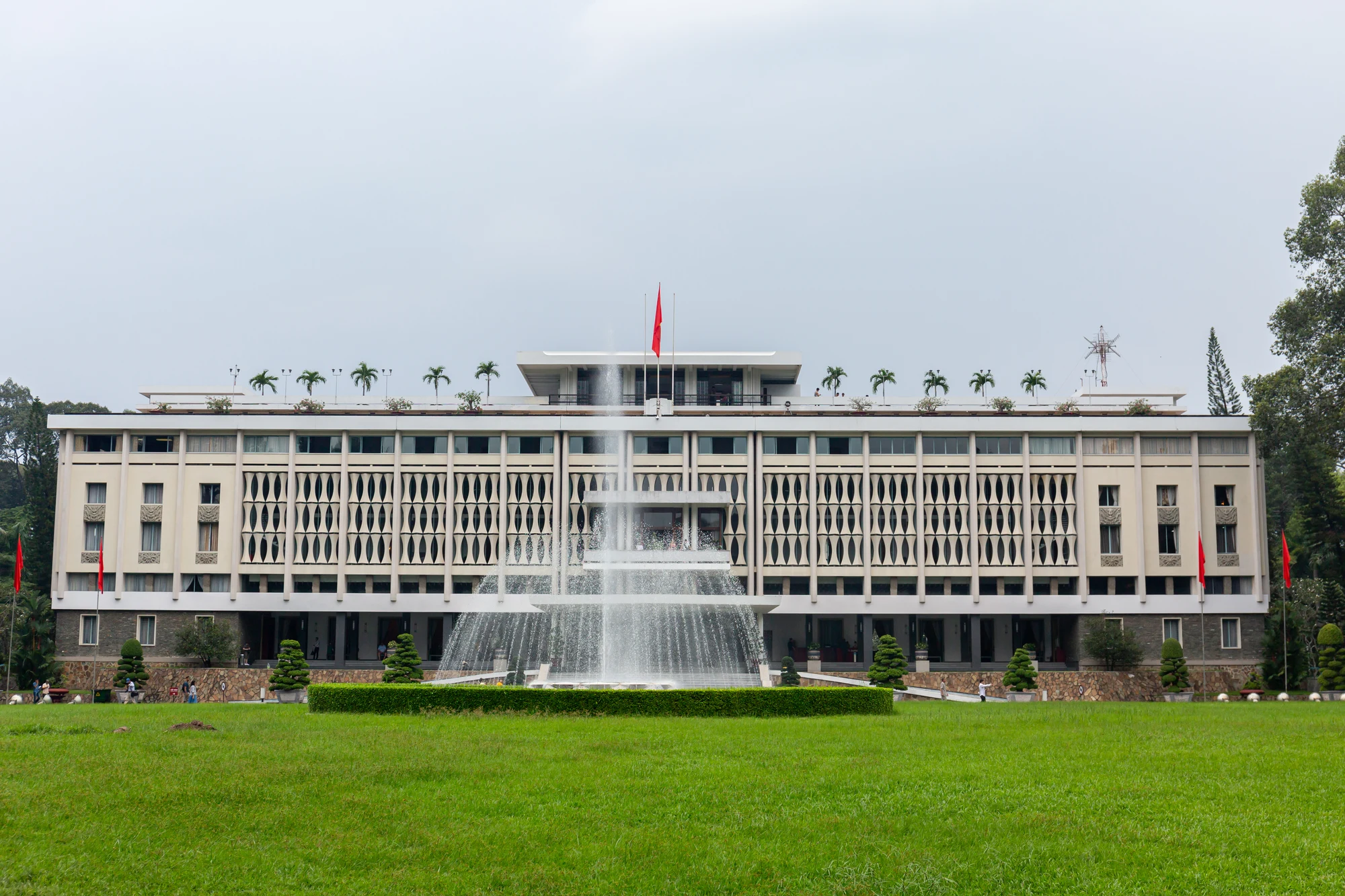
Pair the visit with an unstructured break before another major attraction. A short walk or quiet meal gives companions time to discuss what they saw, or simply recover from it. Independence Palace provides another historical setting, but combining them works best when neither is rushed. Keep your onward transfer separate from the final gallery: emotional attention is difficult to measure against a fixed pickup deadline.
Questions travellers ask
Is the museum suitable for children?
Some material is graphic. Parents should assess the displays and their child’s readiness, with an easy option to take a break.
Should I combine it with Independence Palace?
Yes, if you can give each site time and allow a break between their different historical perspectives.