Huế bánh bèo, nậm and lọc: learn three small-cake textures
Compare Huế bánh bèo, nậm and lọc through shape, starch and wrapping, with ingredient questions and a small-cake pause that fits a cultural itinerary.
 Cat Ba Connect3 min read
The short answer
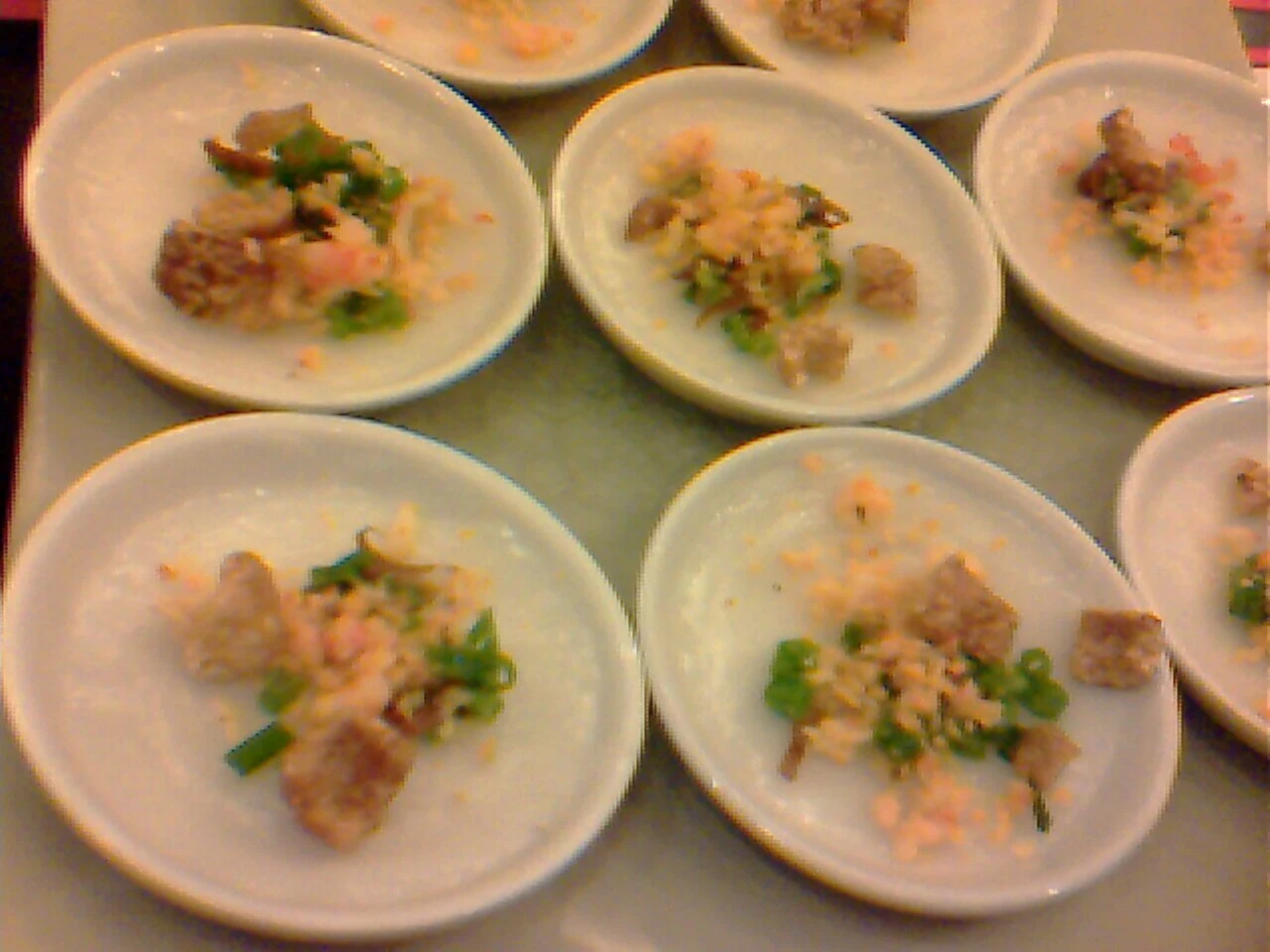
Bánh bèo, bánh nậm and bánh lọc are a useful small selection for understanding Huế’s savoury cakes. Bèo commonly arrives in little dishes, nậm as a flat leaf-wrapped preparation, and lọc with a more translucent, chewy starch casing. Names describe distinct foods; an assortment is not three presentations of one identical dumpling.
Order a comparison rather than a mountain
Begin by matching the names to what is physically on the table: a little open dish, a flat leaf packet and a chewier translucent casing. These forms help distinguish the cakes before sauce blurs their individual flavours. The filling is a separate question from the wrapper. Ask which tray contains which type and whether a mixed serving repeats the same filling across all three or changes it from one preparation to another.
Notice skilled small-scale preparation
The Huế tourism authority describes these cakes within a longstanding local shop tradition. Small portions draw attention to spreading batter, portioning filling and wrapping. That craft is meaningful without asserting every cake was created for an emperor. Everyday snack culture and careful handwork offer a more grounded explanation of why the assortment merits time.
Ask what is inside each type
Shrimp and pork are common ingredients, but fillings, toppings and dipping sauces vary. Ask separately about each cake rather than assuming one answer covers the tray. Unwrap a nậm carefully and place the leaf aside. Try each texture before adding much sauce, then decide whether you prefer the softness of rice batter or the springier lọc casing.
Give the snack its own afternoon pause
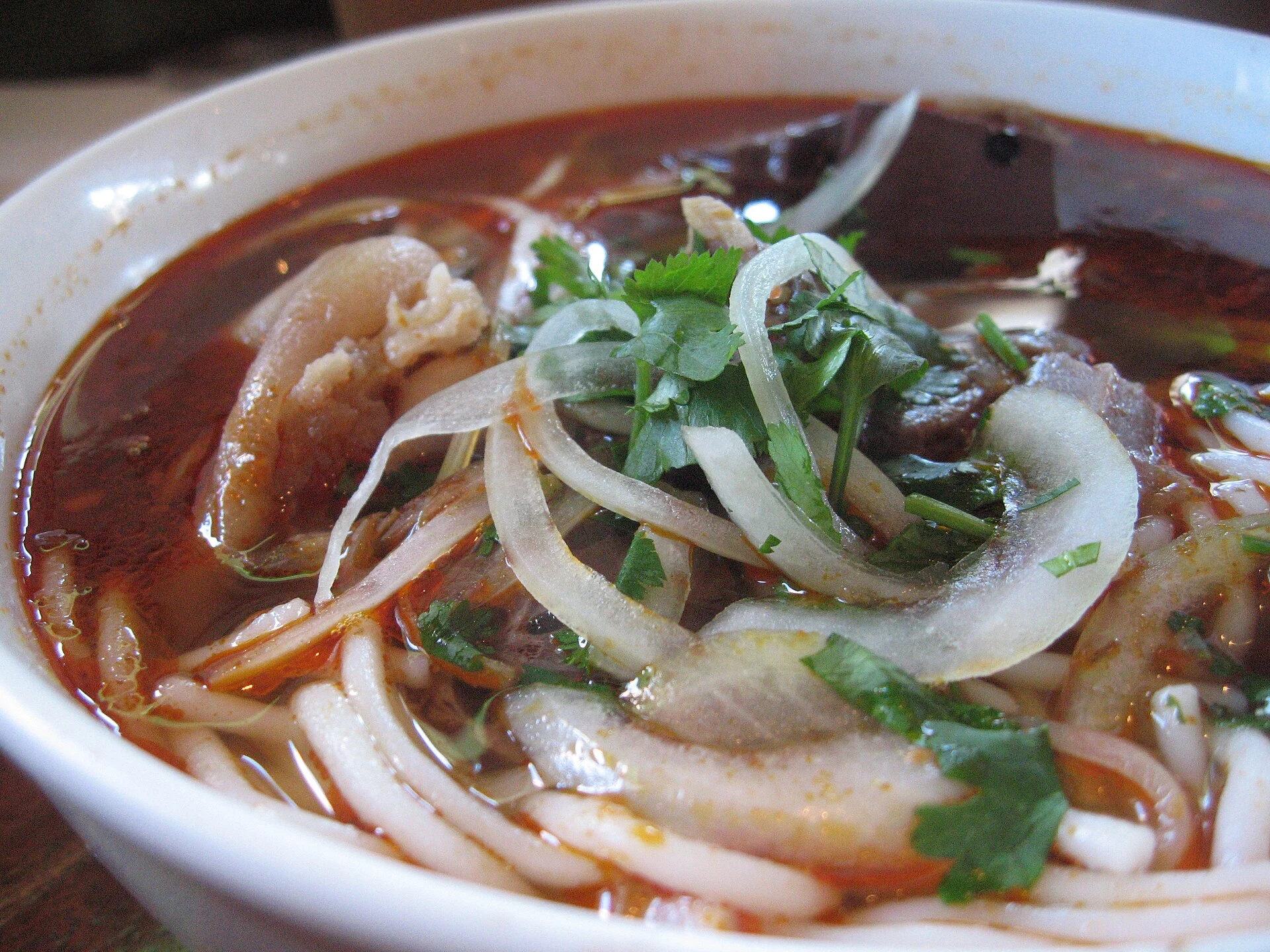
A small assortment can fit between cultural visits without competing with a large bowl of bún bò at the same sitting. Confirm whether the order is priced by piece, dish or mixed serving before requesting more. Stack empty dishes only if the staff’s service arrangement makes that appropriate, and leave the working table organised.
Follow technique into a broader route
On a later Da Nang visit, finding similar cakes shows food traditions moving across the Hải Vân area rather than staying inside a strict city boundary. Keep Huế as an important point of reference while asking how the next shop prepares its own version. Comparison works best when you remember individual textures, not only a list of famous names.
A modest mixed selection gives room to compare textures before a second order. Friends can choose different cakes without multiplying every portion for every diner. Take time to unwrap leaf packets at the table, and ask how used leaves and small dishes are collected. The packaging helps explain preparation, but it does not justify leaving food waste outside the shop or in a heritage street.
Questions travellers ask
Are all three cakes made from the same starch?
No. The rice-based cakes and the chewier lọc casing differ; confirm the kitchen’s ingredients.
Should I order a large mixed tray?
Start small and ask how the portions are counted before adding more.