A Hoi An Food Walk: Choose Dishes, Portions and Pace
Choose a Hoi An food walk with contrasting dishes, clear dietary arrangements, comfortable pacing and time to understand local preparation.
 Cat Ba Connect3 min read
The short answer
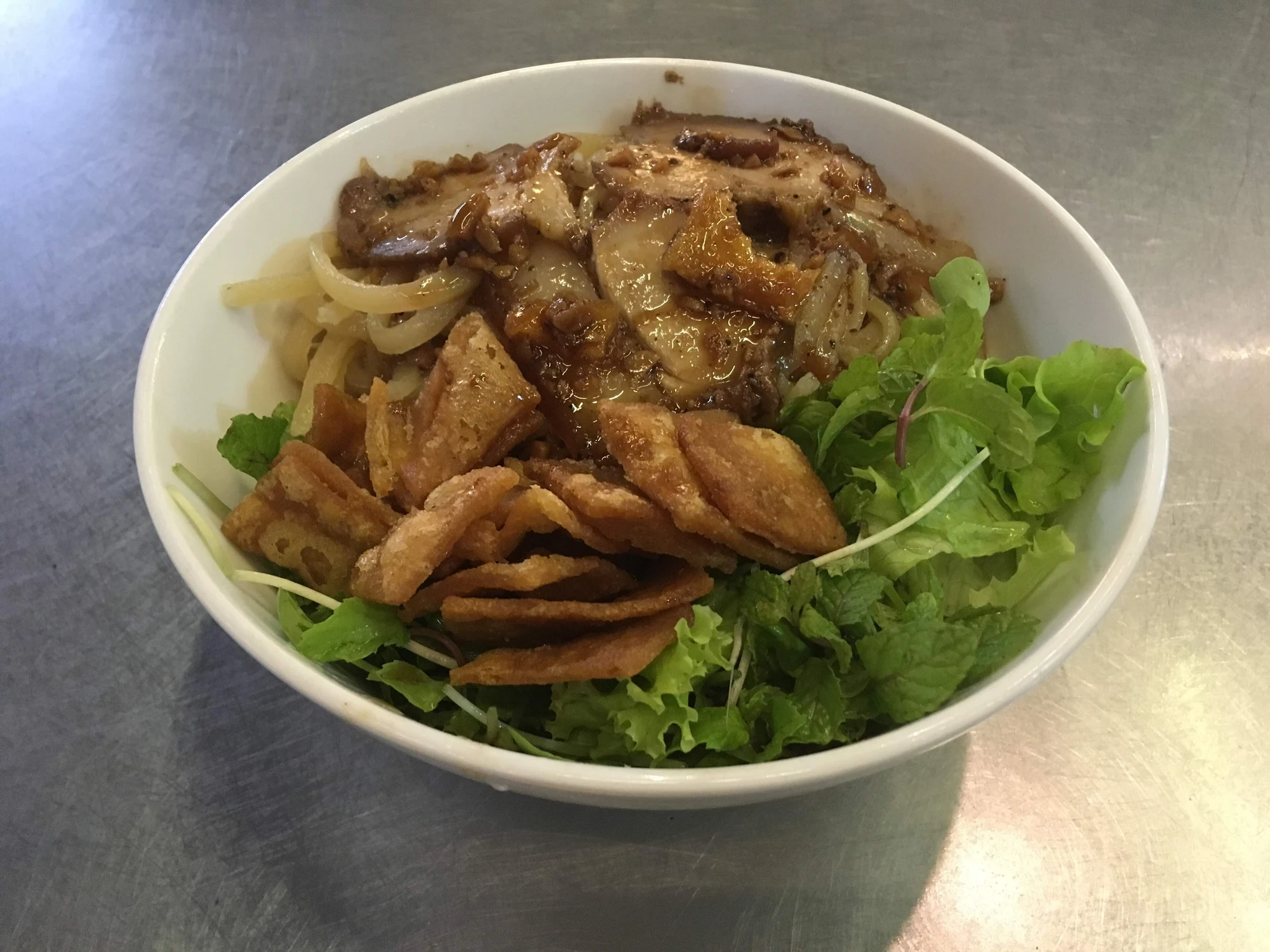
Build a Hoi An tasting walk around contrasting local dishes: cao lau for its noodle texture and toppings, then banh bao vac, or white rose dumplings, for steamed rice wrappers and a shrimp-based filling. Ask each kitchen about its actual ingredients.
Cao lau: make the noodles the first comparison
Hoi An’s heritage conservation centre describes cao lau through its rice noodles, sliced meat, vegetables, bean sprouts and a crisp fried-noodle element. Those components give you a useful tasting framework: notice the noodle texture, the balance of greens and meat, and what provides crunch. This is more informative than treating the bowl as interchangeable with every Vietnamese noodle soup. Ask the vendor about the preparation in front of you; a documented traditional description does not establish that every modern kitchen uses an identical recipe.
White rose dumplings: a different texture and portion
Banh bao vac, commonly called white rose dumplings, offer a contrast to the noodle bowl. The heritage centre’s account describes translucent rice-based wrappers shaped around a shrimp filling, steamed and served with a crunchy garlic topping and dipping sauce. Compare the soft wrapper, savoury centre and crisp garnish. Ask how many dumplings make a portion before ordering for a group. Shrimp, sauce and shared preparation also make this a dish that requires a direct allergy conversation rather than assumptions from its delicate appearance.
Discuss dietary needs before the first stop
Tell the provider about allergies, vegetarian requirements and ingredients you avoid before the route is arranged. Broths and sauces may contain ingredients that are not obvious in the finished dish. Ask whether shared utensils or equipment matter for your needs. If substitutions are proposed, understand what changes; removing a visible topping does not necessarily alter the underlying stock.
Balance walking with eating
A route through the old town can be attractive, but long sightseeing explanations between meals may not suit everyone. Check the walking distance, seating opportunities and the way drinks are handled. A market stall and a restaurant offer different comfort levels. Match the format to your group rather than assuming a food experience is physically effortless because it involves eating.
Respect the venues as working businesses
Ask before close photographs, keep access clear and avoid expecting a vendor to pause a busy service for a long presentation. Buy the agreed food and let the guide manage timing. If you want to revisit a favourite place later, note its actual name and location. A food walk is most useful when it leaves you with understanding and confidence, not merely a collection of social-media images.
Make the two dishes a useful starting route
As an editorial suggestion, begin with a modest cao lau portion and share a dumpling plate if your appetite and dietary needs allow. This creates a concrete comparison between a noodle-based dish and filled steamed wrappers without turning the walk into an endurance meal. A guide can explain the venue’s own preparation and help you decide what to try next. Ask which toppings and sauces vary at that kitchen instead of expecting one universal version of Hoi An food.
Questions travellers ask
Can vegetarian needs be handled by removing meat?
Not always. Ask about broth, fish sauce and preparation as well as visible toppings.
Are cao lau and white rose dumplings the same kind of dish?
No. Cao lau centres on rice noodles and toppings; white rose dumplings use steamed rice-based wrappers around a filling.