Hue Imperial City: Plan a First Visit With Historical Context
Explore Hue’s Imperial City with a clear sense of its layout, historical spaces, outdoor walking and the role of restoration.
 Cat Ba Connect3 min read
The short answer
Visit Hue’s Imperial City as a connected royal complex rather than a single palace building. A slower route with clear interpretation helps make sense of gates, courtyards and ceremonial spaces in the former Nguyen capital.
Start with the layers of the site
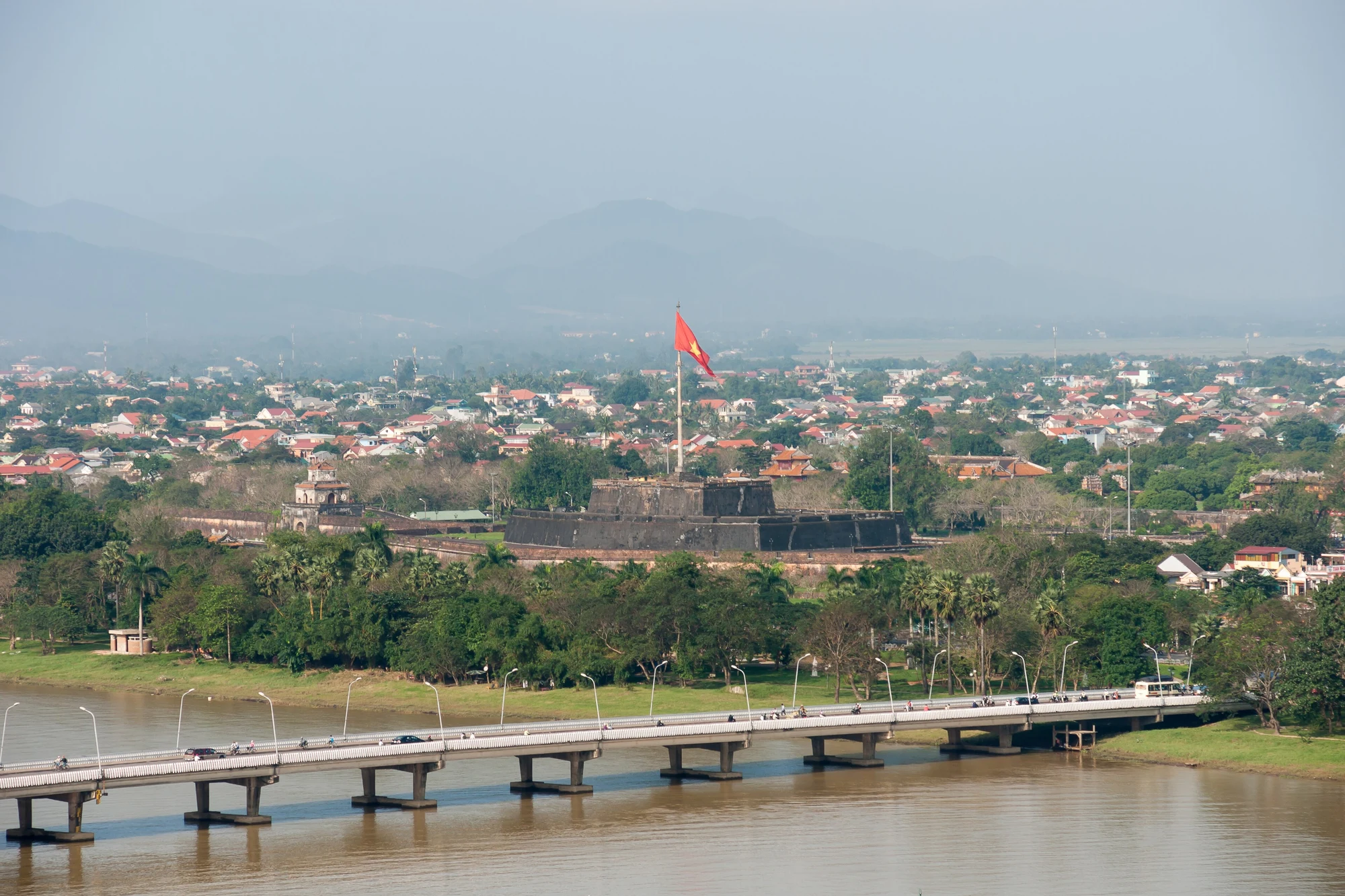
The words Citadel, Imperial City and Forbidden Purple City can appear interchangeably in casual travel descriptions, but they refer to different layers of the historic royal setting. Ask your guide or use the site’s interpretation to understand the plan before moving through it. This makes individual structures easier to place and avoids judging the whole complex by one photographed entrance.
Choose understanding over coverage
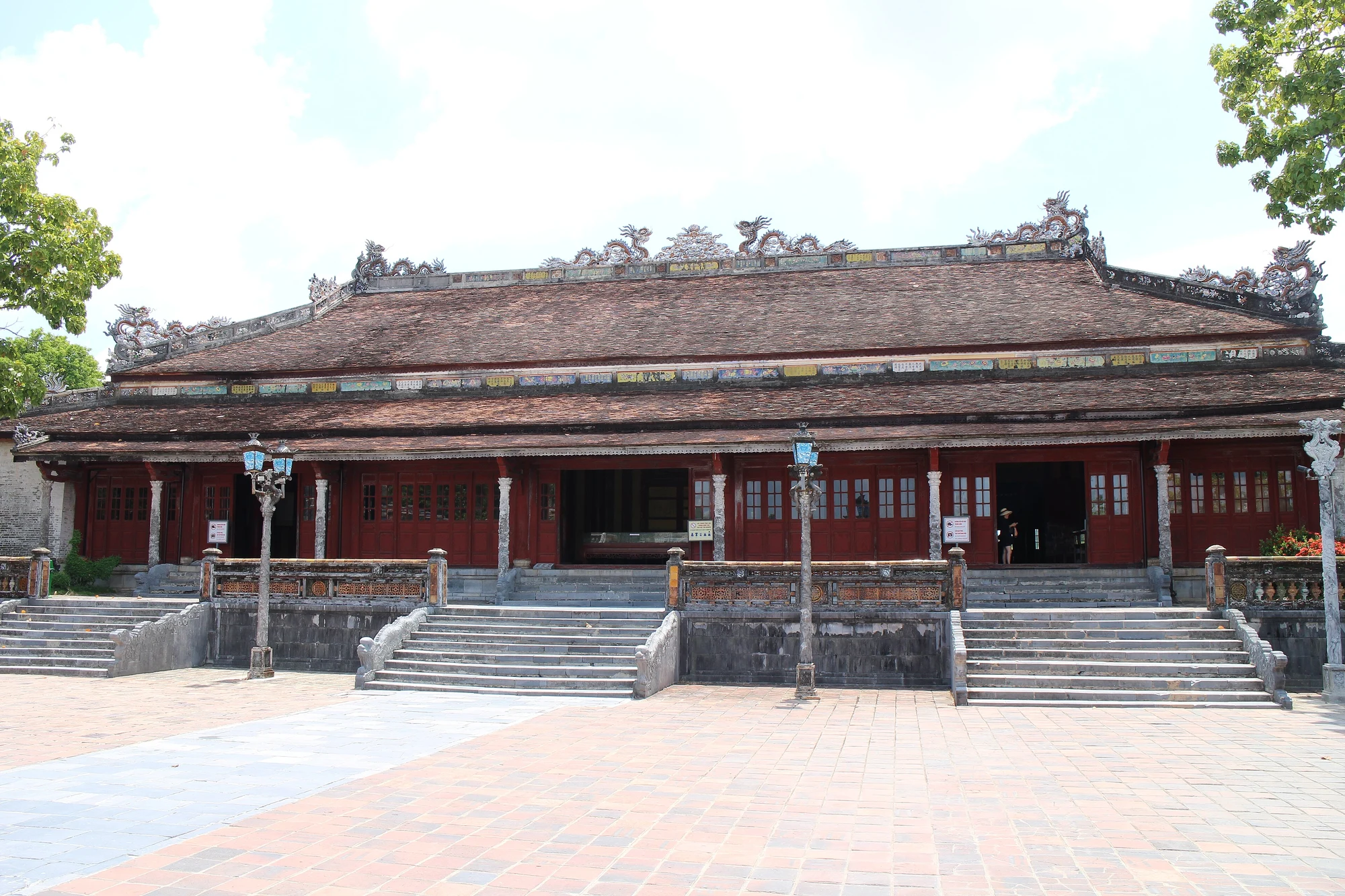
A first visit does not need to be a race through every accessible building. Pick a route that explains how the spaces were used and how they relate. Pause to notice the transition from gates to open courts and more enclosed areas. If using a guide, say whether your interest is architecture, political history or daily court life so the explanation has a useful focus.
Allow for outdoor walking
A heritage complex includes substantial movement between buildings, not only sheltered rooms. Choose suitable footwear and carry what you need without making your bag cumbersome. Plan breaks according to your group’s comfort. If someone has limited mobility, obtain current access advice for the actual route; historic steps and surfaces can matter more than the total distance shown on a map.
Read restoration as part of the story
Historic sites change through damage, conservation and restoration. Avoid assuming that everything visible is unchanged from the period when the court used it. Ask what has been restored and how the current presentation helps visitors understand the past. This is a more useful question than expecting every space to look like a fully furnished palace interior from a film.
Pair the visit with a different experience
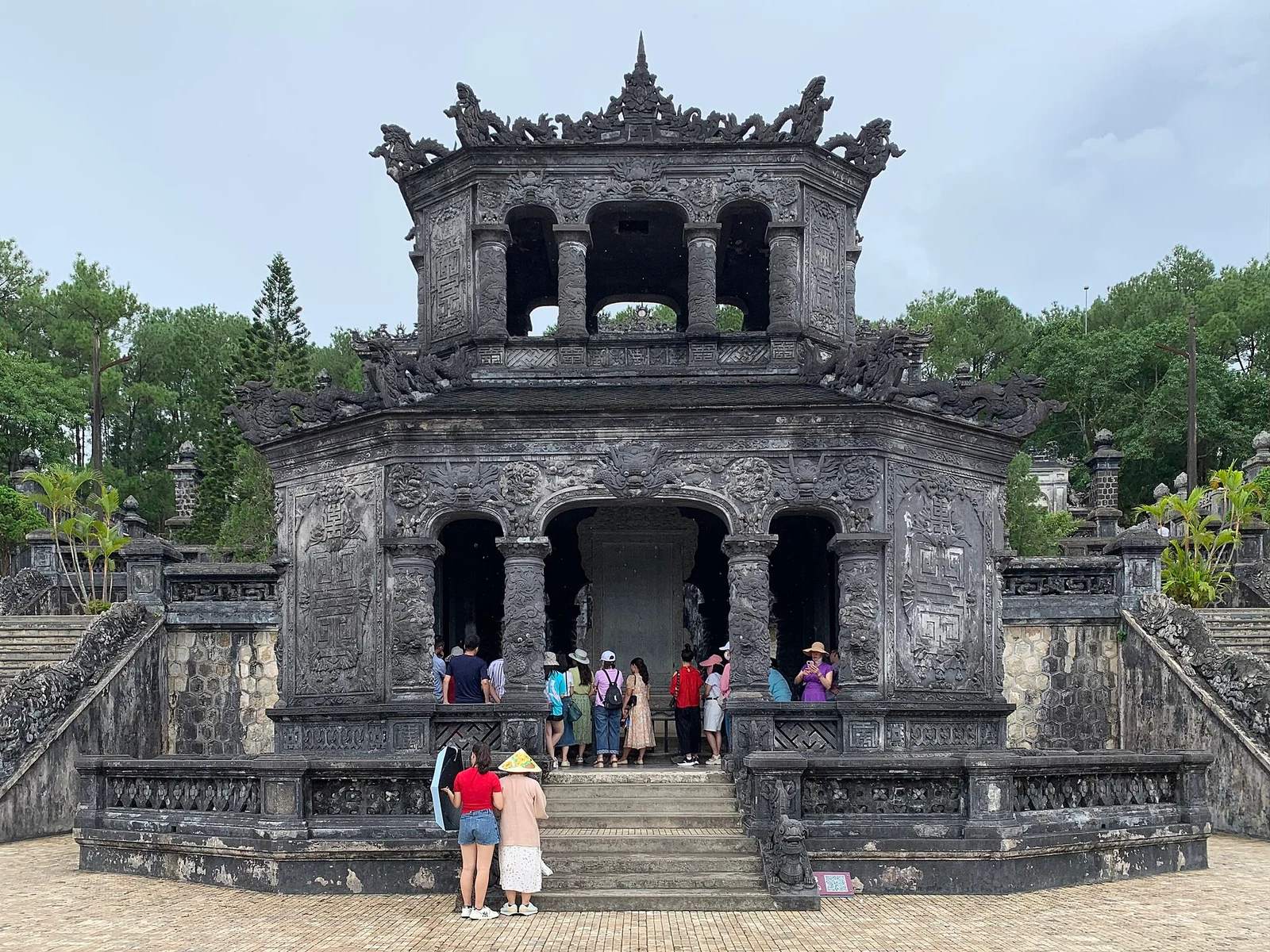
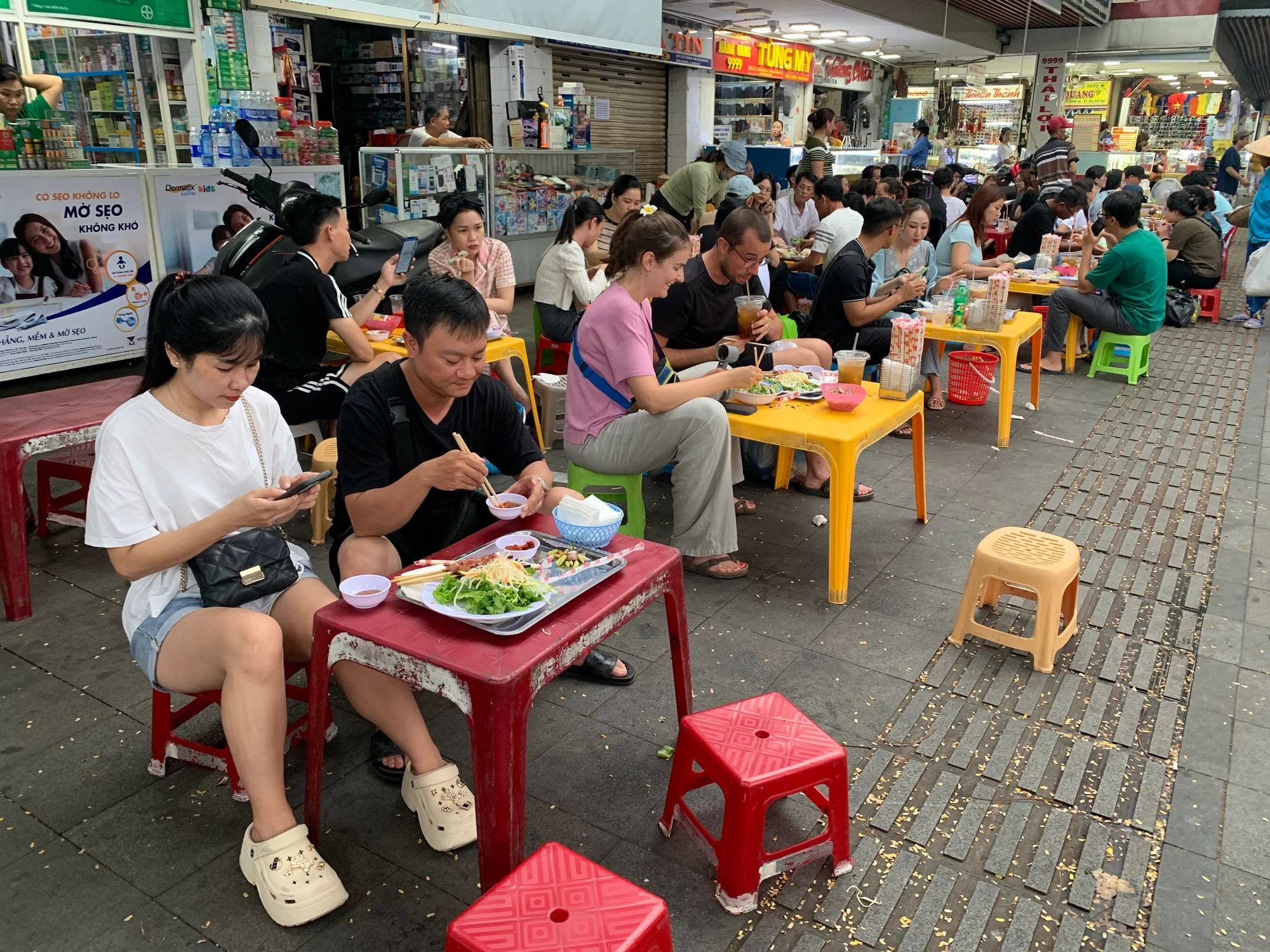
After a concentrated architectural visit, a riverfront walk or meal can provide a welcome shift in pace. Save distant tombs for another block rather than adding them automatically. Hue rewards the contrast between the imperial centre and its wider landscape. Use current official information for tickets and access rather than copying old rates from a blog into your budget.
Ask one question about each main space
Rather than trying to remember every date, ask what a courtyard or building was used for and who would have been allowed there. This gives the physical route a human dimension without inventing scenes from court life. If a guide distinguishes documented history from interpretation, keep that distinction in mind. A clear account of a few spaces can leave a stronger understanding than a rapid sequence of names you cannot place afterward.
Questions travellers ask
Is the Imperial City one building?
No. It is a complex of spaces and structures within the wider historic setting.
Should I combine it with all the tombs?
A focused visit is usually clearer; choose a separate outing for selected outer-city sites.