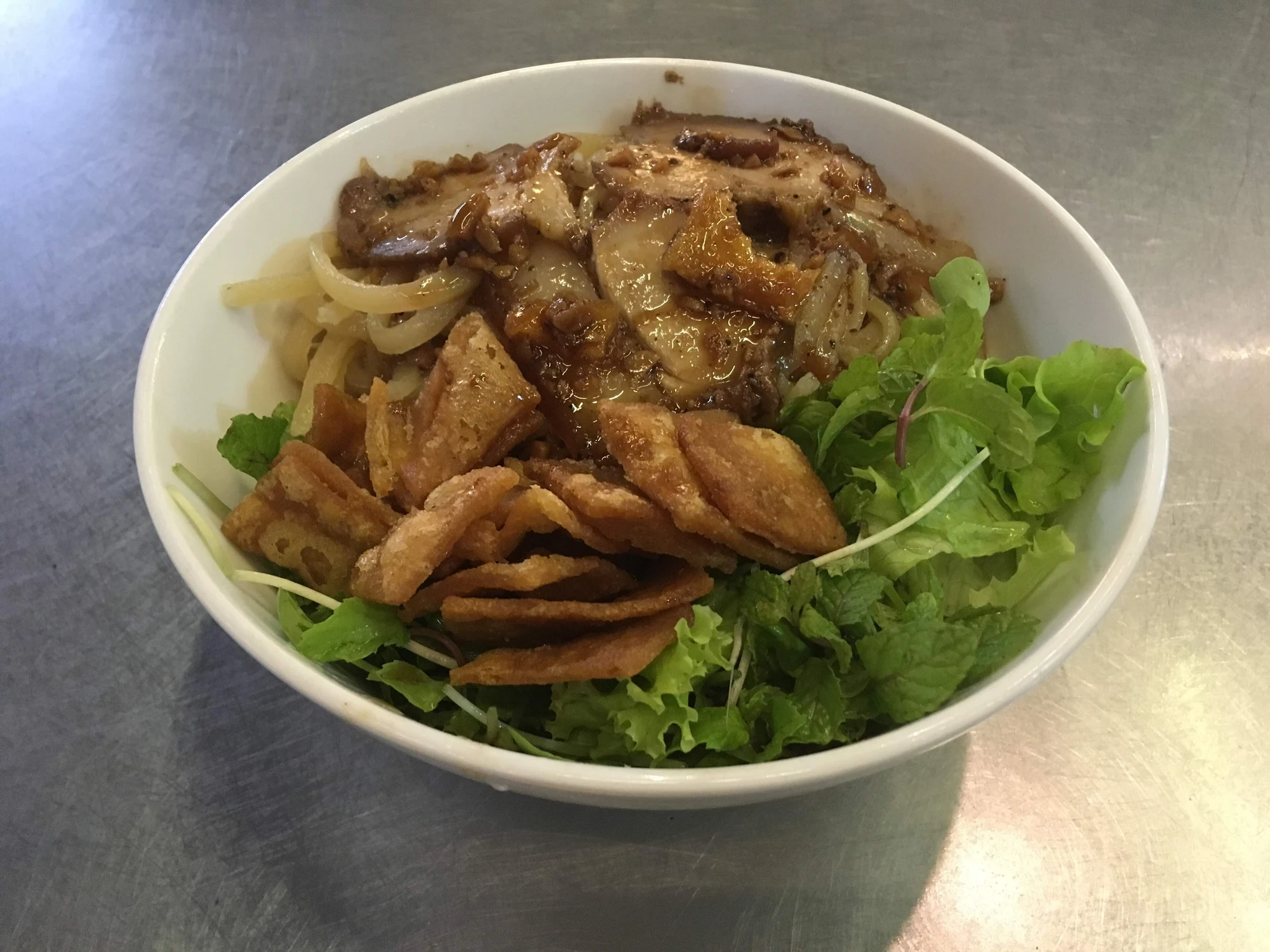
Bún bò Huế: read the ingredients behind the city’s name
Read bún bò Huế beyond its beef name, ask about pork and seasonings, and connect a substantial soup meal with a separate tasting of Huế’s small cakes.
 Cat Ba Connect3 min read
The short answer
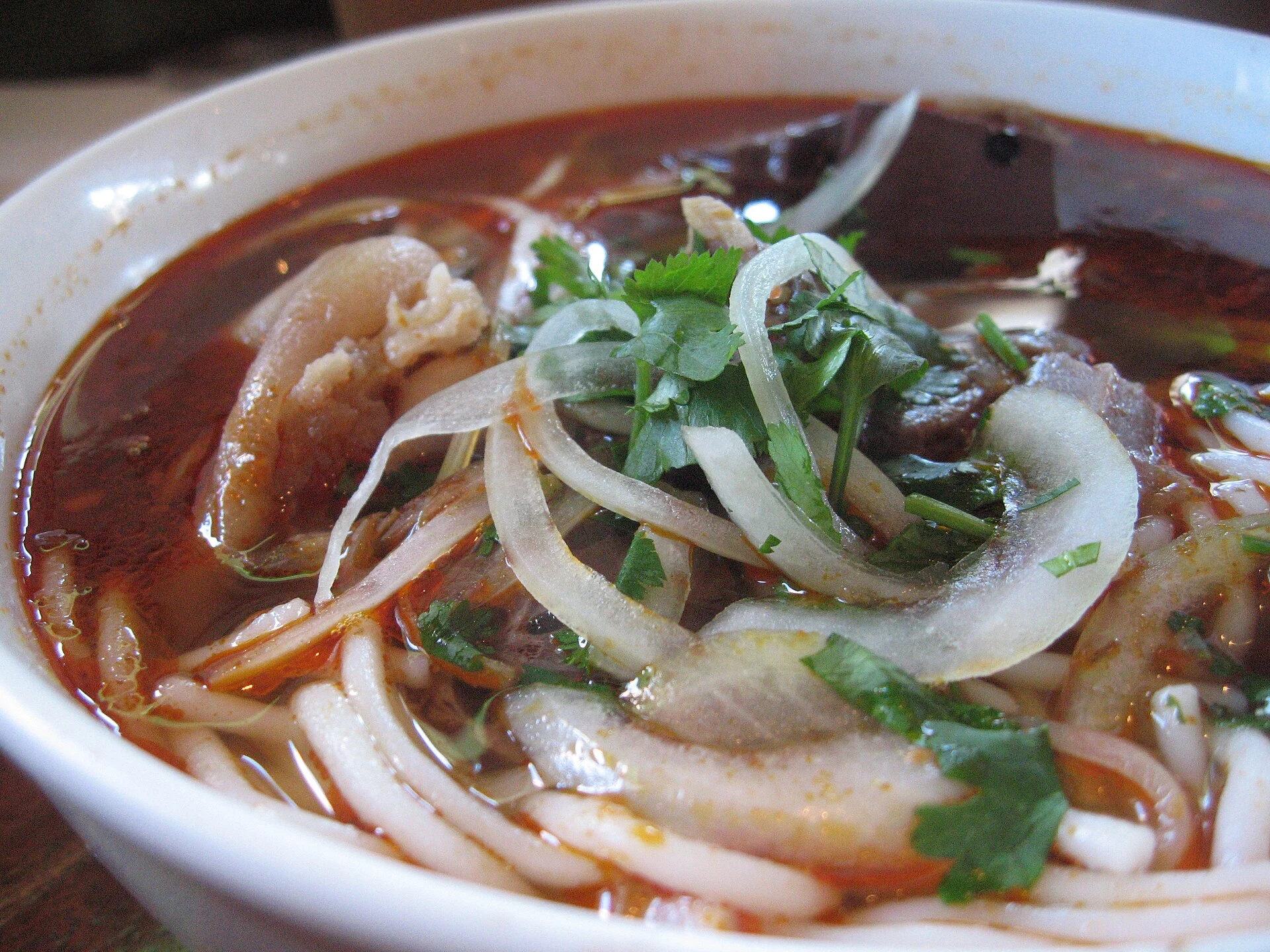
Bún bò Huế is associated with a lemongrass-scented, strongly seasoned broth and rice vermicelli. Bò means beef, but a bowl may also contain pork and other additions. That gap between name and contents is the first useful lesson for visitors: a short menu label is not a complete declaration of the stock, meat or seasoning.
The name is shorter than the ingredient list
The complete serving is easier to understand as stock, noodles, meat choices and finishing additions. A kitchen may organise these components differently from the next shop, even while using the same city name. This matters particularly for travellers who read bò as a full ingredient description. Ask about the contents of the stockpot and the toppings separately; removing one visible piece at the table cannot change ingredients already used to build the broth.
Let the city connection remain specific
Huế has an important food culture, but its former imperial role does not prove that each street dish began in a palace. National tourism sources identify this soup with the city; they do not require you to invent a royal inventor. Its value can be understood through everyday cooking, distinctive aromatics and the name that travels with the dish.
Ask about the bowl before changing it
Confirm the available cuts, pork additions and whether blood cake is included if you want to understand the full serving. Ask about chilli at ordering rather than after a spicy base has been ladled. Fermented shrimp seasoning may already be present. Taste first, then add accompanying herbs or condiments according to preference and the restaurant’s guidance.
Use a meal to pace heritage visits
Keep the soup as a seated pause around a Huế cultural itinerary, not something squeezed into a transfer stop. Museums, monuments and riverside walking ask for attention of their own. Plan one substantial meal and leave room for the city’s smaller cakes at a different time, rather than rushing through both without noticing their contrasting formats.
Compare Huế at two scales
Follow the large bowl on another occasion with a modest selection of bánh bèo, bánh nậm and bánh lọc. The comparison shows how one city can organise food as a complete bowl or as several small portions. Keep the names attached to the foods you order; neither the soup nor the cake assortment represents every aspect of Huế cuisine.
Outside Huế, the same name may accompany different portions or available cuts. Those differences do not automatically make a bowl wrong. Ask what is served and distinguish a topping choice from the stock’s ingredients. A diner can prefer one combination without presenting personal taste as proof of a single correct formula or assuming that the beef in the name excludes pork elsewhere in the serving.
Questions travellers ask
Does bò guarantee a beef-only bowl?
No. Pork, blood cake and other additions may be included; confirm broth and toppings separately.
Must every Huế dish have a royal origin?
No. A city’s imperial history does not establish the origin of each street food.