Codeshare to Vietnam: find the airline actually operating your flight
Decode the operated-by line on a Vietnam codeshare ticket, find the correct airport counter and check baggage without assuming every rule is shared.
 Cat Ba Connect3 min read
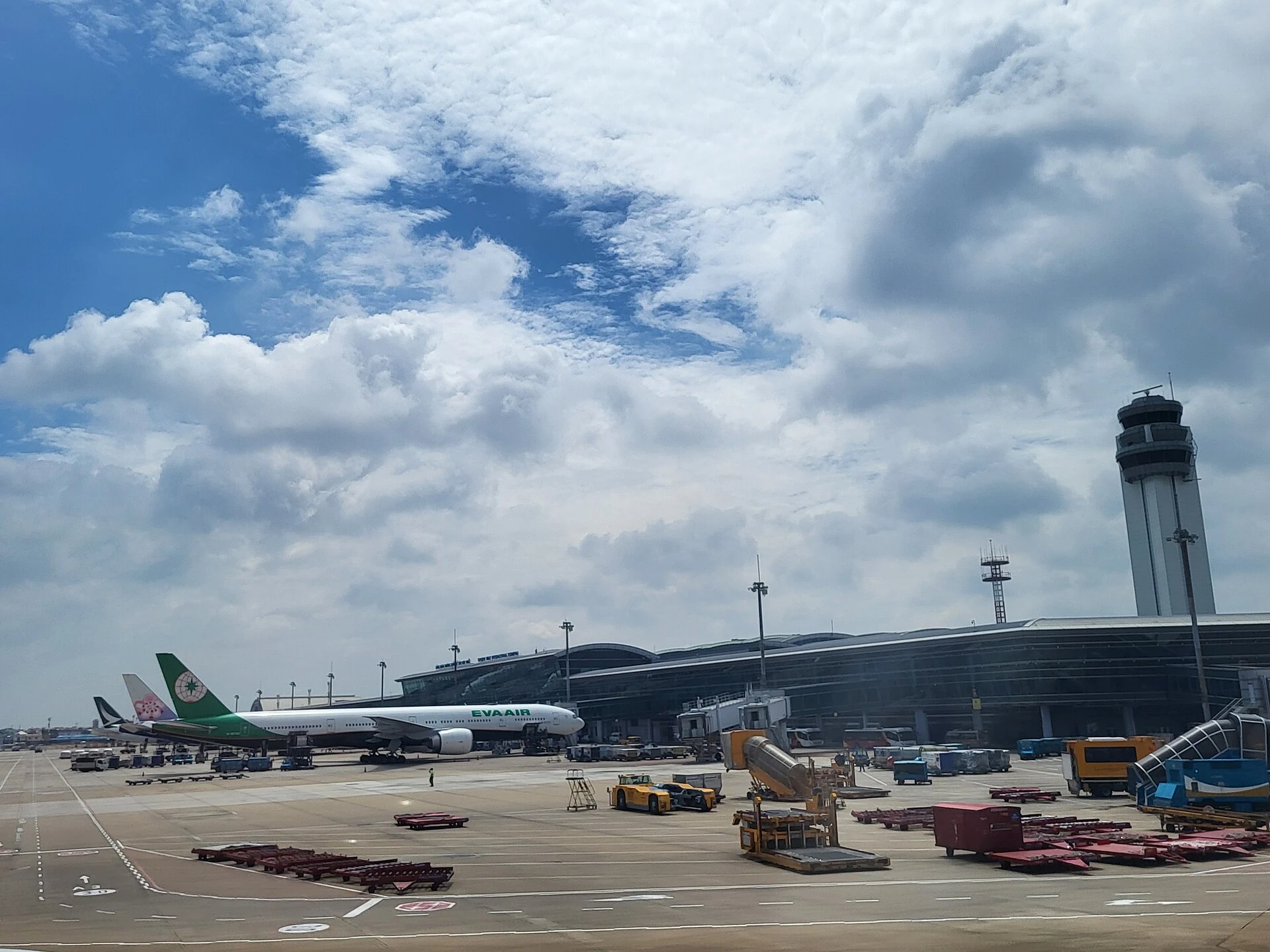
The short answer
A codeshare can carry one airline’s sales flight number while another airline operates the aircraft. For a Vietnam journey, read the operated-by information on each sector before selecting a check-in counter or applying cabin rules. Vietjet and ANA both explain this distinction. Checked baggage needs its own itinerary-specific confirmation: do not assume that either the seller’s or the operator’s most generous general allowance automatically governs the whole trip.
Read the operator below the flight number
A familiar logo at the top of a confirmation is not enough to identify the aircraft operator. Find the operated-by line for every sector, including the short connecting flight that may be easy to overlook. Record the operator’s own flight number where it is provided. This helps when an airport board or flight-status service displays a different number from the one used to sell the ticket, even though it refers to the same physical flight.
Go to the counter that handles the flight
The operating airline generally provides the airport and onboard services described in the carriers’ codeshare guidance. Before travelling to the airport, confirm its check-in location and deadline for your flight. Do not wait at the sales airline’s counter solely because that name appears on the receipt. If the terminal has several airline areas, use the actual flight number and destination when asking staff for directions, rather than just showing a loyalty-program card.
Separate cabin and checked baggage questions
Cabin-baggage limits and operational acceptance can follow the operating carrier’s rules, while checked-baggage allowances on a mixed itinerary can involve ticket-specific rules and international baggage arrangements. Ask two concrete questions: what can I carry into this aircraft, and what checked allowance is attached to this ticket? Keep the answer for each sector. Combining the largest cabin allowance from one website with the largest checked allowance from another can produce an allowance that nobody actually sold.
Request assistance for every relevant operator
If someone needs mobility support or another special service, establish whether the request has reached the operating airline on every sector. A note in the seller’s booking should not be treated as proof that every arrangement is confirmed. Ask for the service status and any information still required by the operator. This is particularly important when a journey includes an airline change, because the aircraft layout and airport service arrangements may differ between sectors.
Use the right contact when a flight changes
For current operating status, consult the operator’s official information. For changes to the ticket itself, the original seller or issuing airline may need to act. Give either contact the booking reference, ticket details and the affected flight, making clear whether you want status information or a change to your reservation. Distinguishing those requests saves time and reduces the chance of mistaking an operational update for a completed ticket exchange or confirmed replacement journey to Vietnam.
Questions travellers ask
Does the sales airline always fly the aircraft?
No. Read the operated-by information on each sector.
Which checked-baggage rule should I use?
Confirm the allowance attached to the actual ticket and mixed-carrier itinerary.