Hà Giang thắng cố: market food, ingredients and respectful curiosity
Understand Hà Giang thắng cố through meat choices, market context and respectful questions, then compare the communal pot with steamed-maize mèn mén.
 Cat Ba Connect3 min read
The short answer
Thắng cố is a meat-and-broth preparation associated particularly with Mông food traditions. Horse meat is important in many accounts, while tourist-facing versions may use beef, buffalo or pork. Bones and offal can contribute to the pot. The name alone does not establish the animal or the cut, so ask before deciding whether to order.
Know what the pot may contain
A large cooking vessel can hide the distinctions that matter most to a first-time diner. Meat, bones and organs may all contribute to what is served, and a tourist restaurant may use a different animal from a market stall. Ask about the current preparation rather than requesting a generic traditional version. The answer should describe today’s food, not require the seller to prove a whole community’s history through the contents of one pot.
Read a market meal as social life
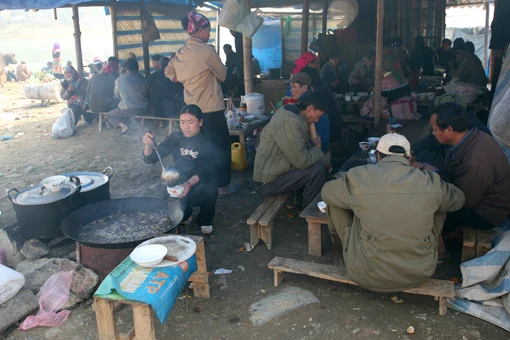
Vietnam Tourism links thắng cố with Mông cuisine and describes versions adapted for visitors. That difference should not become a ranking of people as more or less authentic. A market meal has meaning through gathering and ordinary exchange as well as ingredients. Do not turn an unfamiliar aroma or cut of meat into a spectacle of disgust.
Use specific, neutral questions
Ask which meat is used, whether offal is included and how one serving is presented. Declining the dish is fine if the ingredients do not suit you. A small order can be enough to understand it; there is no need to combine eating with an alcohol challenge. Choose another cooked meal if the answers remain unclear.
Make room for the market’s own work
Visit a confirmed market on its actual trading day rather than assuming every town holds the same event daily. Let shoppers and vendors pass, ask before close portraits, and keep away from cooking fires. Purchasing a meal does not give unrestricted permission to photograph diners. A local guide can help with language and context without staging people for a performance.
Compare it with the staple beside it
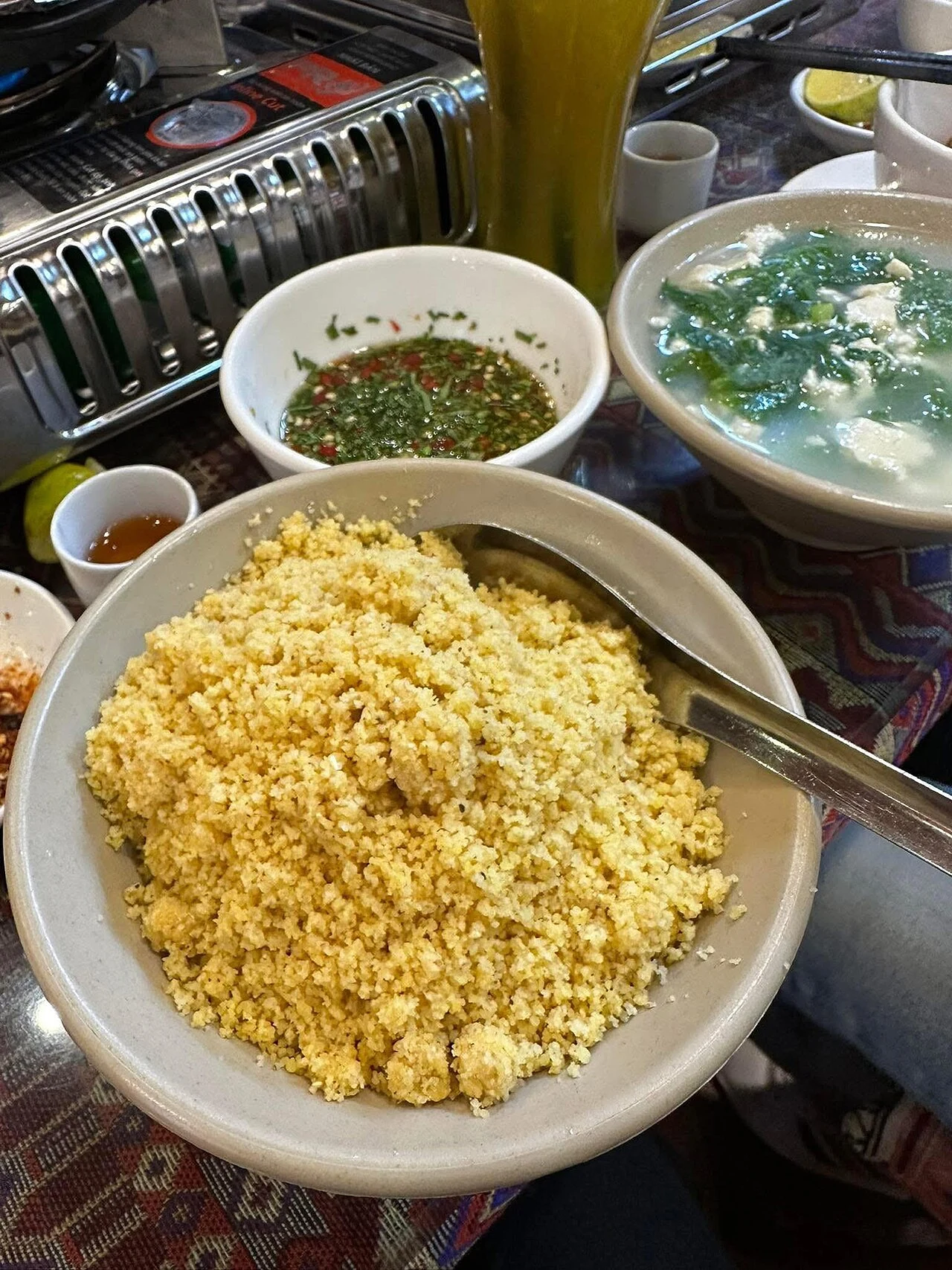
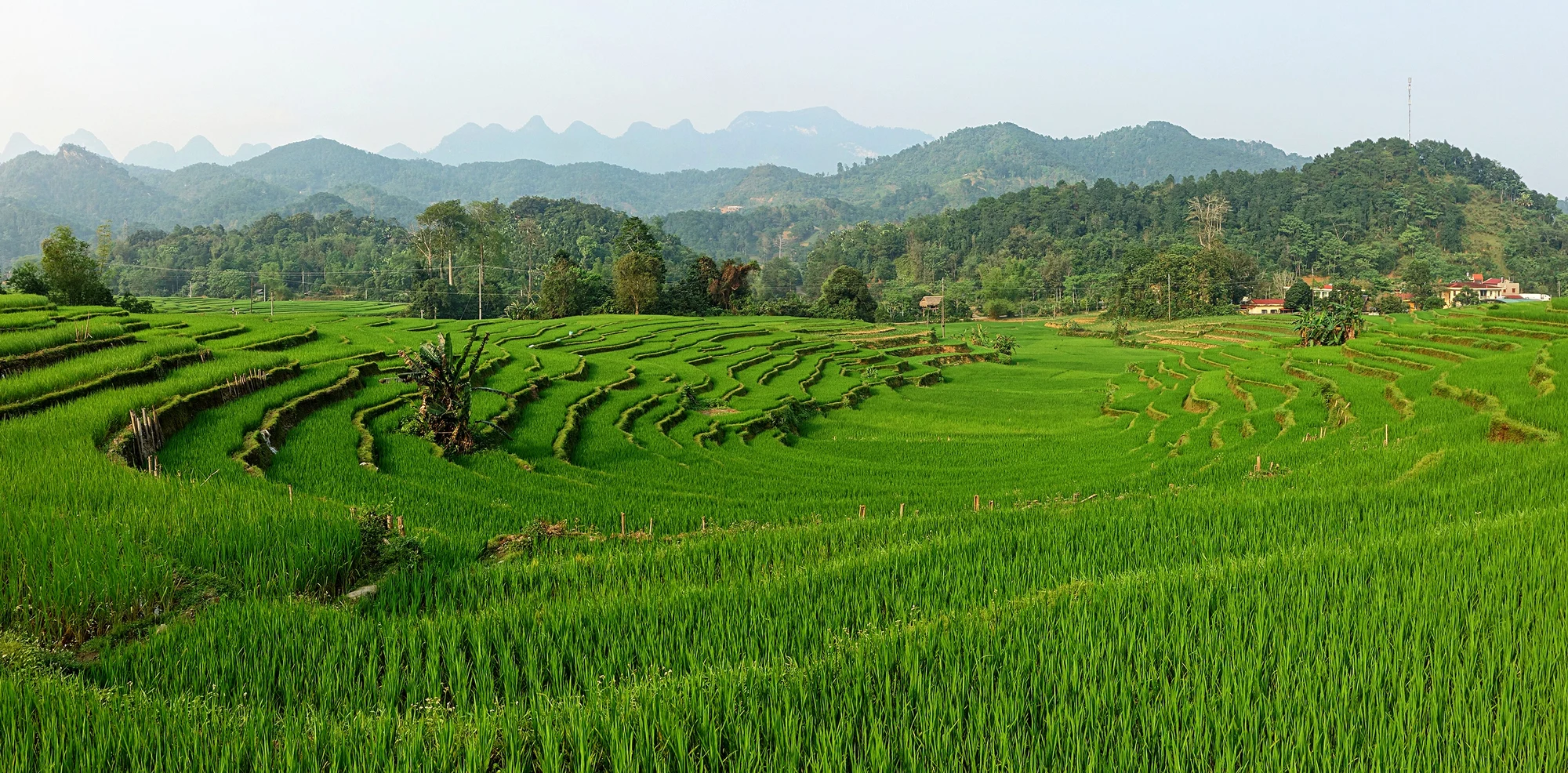
Mèn mén, made from steamed ground maize, offers a useful complementary subject because it directs attention from the communal meat pot to agricultural staples. Ask how the two are served at that stall rather than insisting on a fixed pairing. Together they can introduce food work and farming on the rocky plateau, beyond a route defined only by mountain viewpoints.
Explain food preferences to a guide before entering a dining area so questions can concern the actual pot, not an uncomfortable exchange after service. Visitors can choose another meal, while local diners can eat without becoming part of somebody else’s performance. A short ingredient conversation is sufficient. Neither a seller nor a customer needs to demonstrate an entire cultural identity for the sake of an outsider’s camera.
Questions travellers ask
Is thắng cố always made from horse?
No. Meat choices vary, particularly in visitor-oriented versions; ask the stall about the actual pot.
Does buying food allow close portraits?
No. Ask diners and vendors before photographing them closely.