Hà Giang mèn mén: steamed maize and the work behind a staple
Explore Hà Giang mèn mén as a steamed-maize staple, connect the bowl with grinding and farming work, and plan a respectful market or invited meal.
 Cat Ba Connect3 min read
The short answer
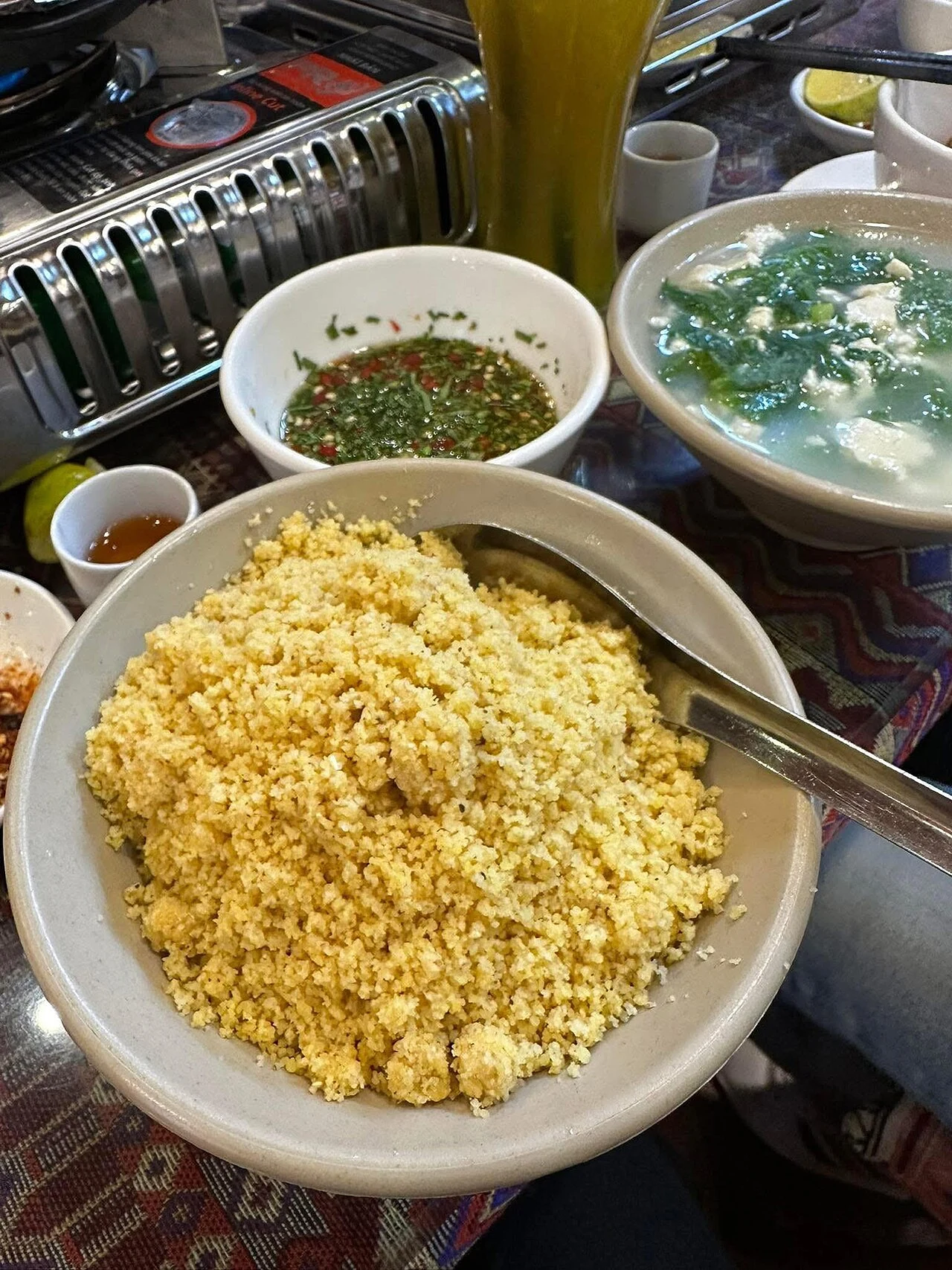
Mèn mén is prepared from ground maize that is moistened and steamed into a loose, grainy staple. It should not be confused with a sweet corn pudding or an ordinary bowl of boiled kernels. In the Hà Giang plateau context, it is closely associated with Mông food traditions. How it is served depends on the household, stall or restaurant.
Recognise maize in a different texture
The starting ingredient has already undergone several changes before it reaches the table: maize is dried, ground and prepared for steaming rather than simply boiled as whole kernels. The result has a loose texture that makes its accompaniments important. Ask how a particular serving is combined with soup or another dish. A shared main ingredient does not mean every maize preparation in the highlands is mèn mén, or that all households serve it in the same way.
Look beyond the picturesque field
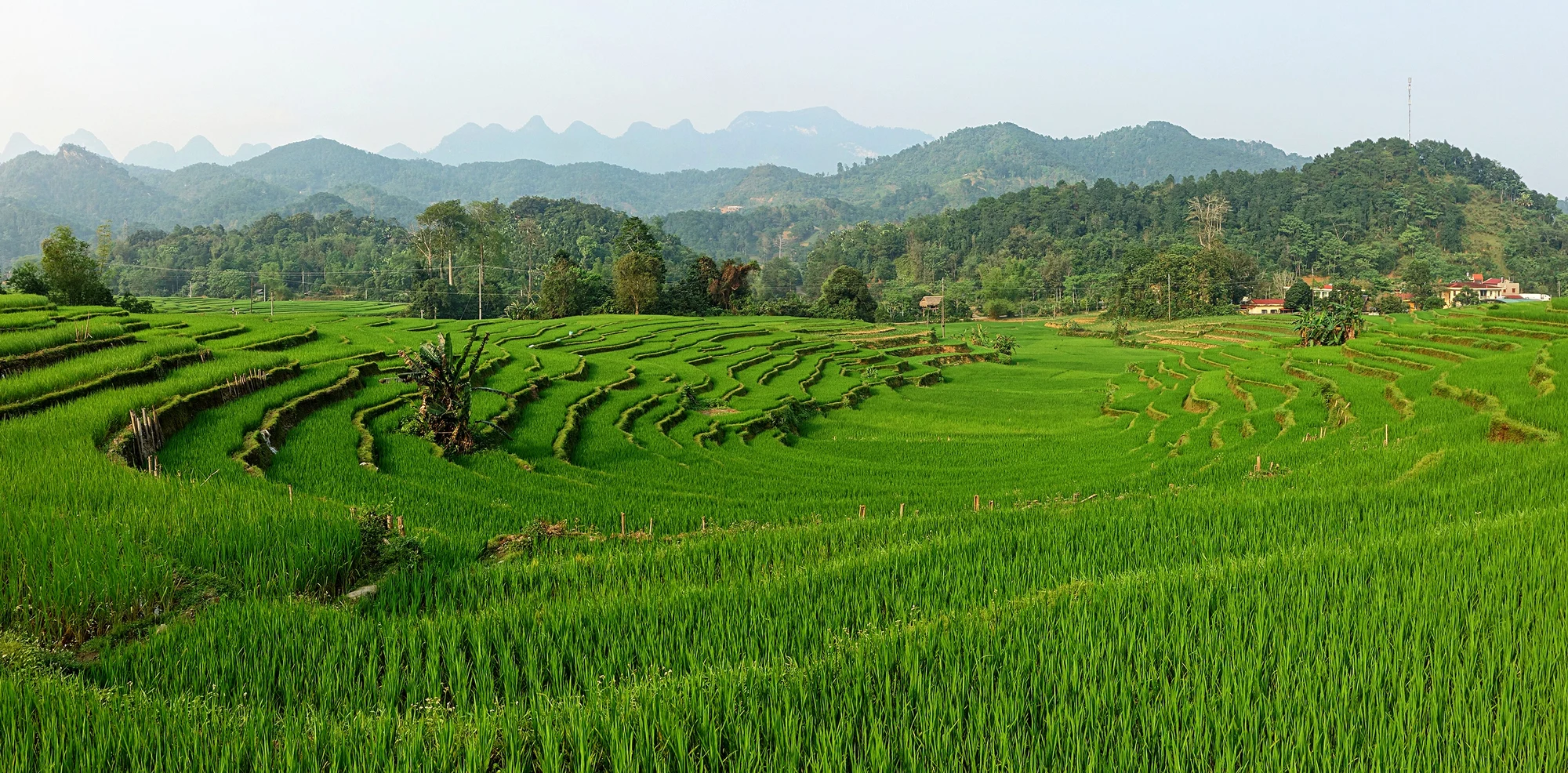
Regional reporting describes drying maize, grinding it and managing the steaming process. That work connects a bowl on the table with agriculture in the rocky highlands. Calling the food simple should not erase the skill and time involved. Nor should a visitor treat one family’s recipe as the diet of every community across northern Vietnam.
Ask about the accompanying liquid
A relatively dry staple is easier to understand with the soup or sauce offered beside it. Ask the server how the components are normally combined, then try a small portion before adding more. The maize itself does not identify the ingredients of its accompaniments. Meat broth, added seasonings and shared preparation surfaces need their own questions when relevant.
Learn through an invited meal or market stop
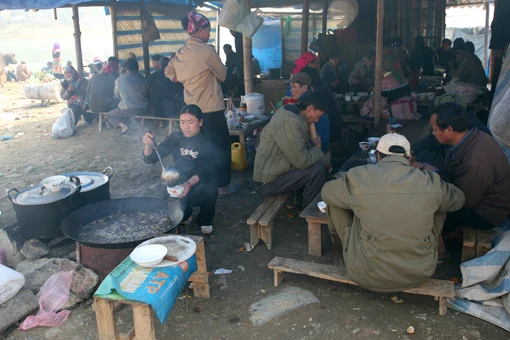
A confirmed market visit can reveal the relationship between a staple and prepared dishes without entering somebody’s home uninvited. If a homestay offers a meal, ask whether discussion of the cooking is welcome rather than assuming a host will stage a demonstration. Photograph hands, tools or faces only with consent and without slowing work that is preparing everyone’s food.
Place the staple beside the plateau landscape
After a meal, farming scenery can become more than a photographic foreground to the mountains. Notice crops from public paths and ask a local guide about land use without entering fields. Thắng cố provides a related food subject on another occasion, but tasting meat is not required to appreciate the maize, the agricultural work or the community context.
The Mông association belongs to a specific cultural account; a route through the highlands crosses several communities with different foods. One maize dish should not stand in for every household. When a host explains a variation, understand it as that household’s practice. This allows agricultural continuity and everyday differences to coexist, rather than presenting the plateau as a single unchanging menu available only for travellers to discover.
Questions travellers ask
Is mèn mén a sweet corn dessert?
No. It is a steamed ground-maize staple; ask how the stall serves its accompaniments.
Does maize identify every accompaniment?
No. Ask about soup, sauce and seasoning separately.