Sa Pa salmon and sturgeon: a modern farming story in the mountains
Read Sa Pa salmon and sturgeon as a modern cold-water farming story, ask about provenance and cooked preparations, and arrange farm access in advance.
 Cat Ba Connect3 min read
The short answer
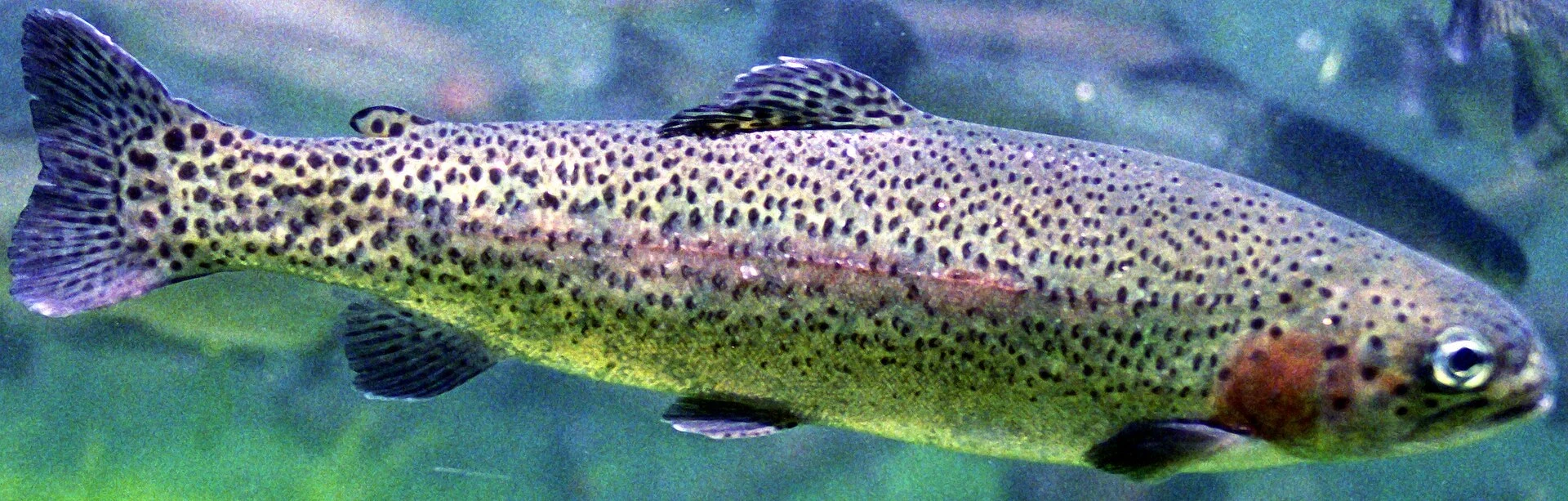
Salmon and sturgeon on Sa Pa menus are best understood through cold-water aquaculture. Official agricultural and science-sector reporting documents farms, hatchery work and producer cooperatives. These are modern livelihoods connected with mountain conditions, not proof of an ancient ethnic recipe. Calling a product local should identify where it was raised or processed, rather than inventing a long historical pedigree.
Start with farming, not an ancestral legend
A fish speciality can become associated with a destination through present-day production, not only through old recipes. In this case, the useful questions concern a farm, hatchery or processor and the cold-water conditions used in raising the fish. A restaurant may perform only the final cooking stage. Asking which part it handles gives a clearer picture of the local economy than assuming the business has personally raised every fish displayed near its entrance.
The landscape is a production condition
Cold-water fish farming links temperature, water supply, equipment and skilled management. That gives the mountain setting a practical role beyond scenery. A fish tank outside a restaurant does not by itself prove local origin, and a menu photo cannot identify the supplier. Ask about the producer if provenance is an important reason for choosing the meal.
Choose a cooked preparation you understand
Menus may offer hotpot, grilled fish or other dishes. Ask what the portion includes and whether the restaurant is quoting a prepared dish or a fish that will be weighed. Confirm the preparation before ordering. A local-specialty label is not a food-safety guarantee, and raw service should not be treated as necessary for appreciating the product.
Make the meal part of a land day
A cooked fish meal can follow a walking day, allowing time to warm up and rest rather than immediately rushing back into an activity. A farm visit needs advance confirmation and permission; production water and tanks are not public play areas. Ask how visitors are managed and keep any visit focused on an operating business, not a staged rural fantasy.
Let modern food sit beside older staples
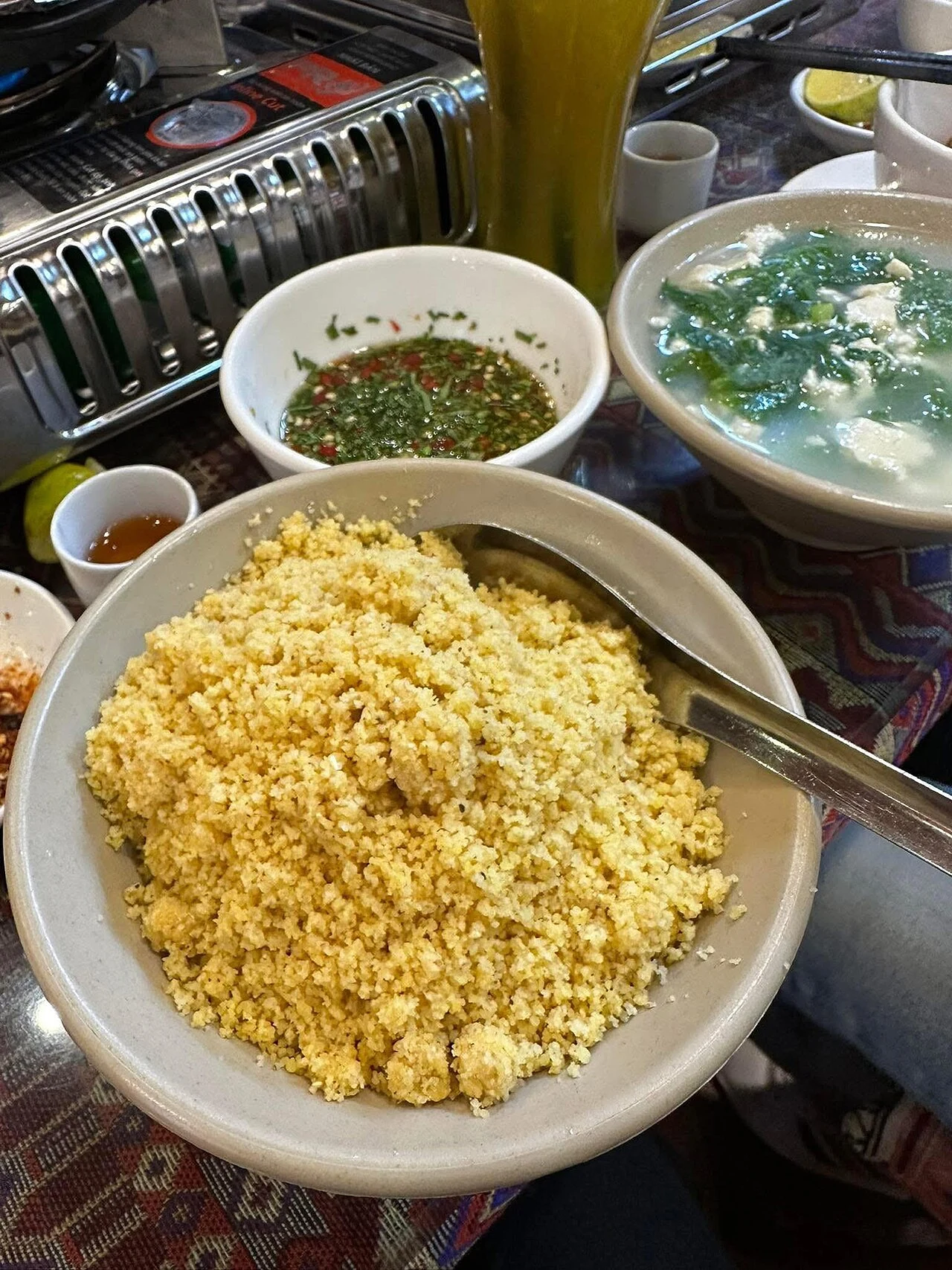
Compare farmed fish with mèn mén elsewhere in the northern highlands without calling one less worthy because it is newer. The contrast shows how food economies change. Sa Pa’s present-day dining can contain agricultural adaptation, visitor demand and long-established regional foods together; a useful travel story leaves room for all three instead of making everything ancient.
Raising fish, supplying juveniles, processing and cooking are different parts of the supply chain. Ask which a producer or restaurant can explain instead of combining them into one farm-to-table slogan. A modest, precise answer is more useful than an unsupported claim of mountain purity. The meal can introduce present-day production knowledge without assigning every participating business a role it does not actually perform.
Questions travellers ask
Are salmon and sturgeon ancient Sa Pa ethnic dishes?
The local story is modern cold-water farming; do not infer an ancestral culinary origin from a speciality label.
Does a restaurant tank prove local origin?
No. Ask about the supplier or producer rather than inferring origin from the display.