Liquids in Vietnam flights: domestic and international are different
Pack liquids for a mixed Vietnam itinerary by checking the international container rule, domestic allowances and the next security checkpoint.
 Cat Ba Connect3 min read
The short answer
Vietnam Airlines distinguishes domestic liquid carriage from international cabin restrictions. Its international guidance uses containers no larger than 100ml within a one-litre total, while ordinary domestic liquids remain subject to baggage limits and separate restrictions for certain items. A bottle acceptable on one sector may not pass the next international checkpoint. Check the entire itinerary, including transfers, and ask about any exception rather than treating a domestic allowance as universal permission.
Classify the next sector correctly
Read whether the next flight is domestic or international and whether another security check forms part of the connection. Do not decide using only the airport building or the fact that the ticket was purchased in Vietnam. A mixed itinerary can include both sets of procedures. Put the international liquid requirement into the packing plan before the first departure so a container carried comfortably on the domestic flight does not become a problem at the next checkpoint.
Read container capacity, not remaining contents
Vietnam Airlines’ international guidance specifies containers of no more than one hundred millilitres and a total of up to one litre for ordinary cabin liquids. A larger bottle with only a little product left does not meet a rule based on container capacity. Choose appropriately sized containers and keep them closed. Check any additional airport or transit instructions for presentation at screening rather than assuming a photograph of somebody else’s toiletry bag describes your exact journey.
Domestic flexibility has boundaries
The airline says it does not impose the same volume cap on domestic liquids when baggage size, weight and piece limits are met, but it identifies separate rules for items such as odorous liquids and alcoholic drinks. Do not turn this into a claim that every liquid or chemical is acceptable. For a food souvenir or an unfamiliar product, check the item category as well as the route and packaging requirements before putting it into either cabin or checked luggage.
Ask about genuine exceptions
The carrier lists exceptions involving prescribed medicine and milk or food for accompanied infants and children, with conditions. If relying on an exception, ask what must be presented and keep the relevant items accessible for inspection. Do not assume a product described as essential is automatically exempt. This guide concerns packing and screening preparation; medical advice about what to carry should come from the appropriate professional, while acceptance questions should be resolved with the carrier and screening authority.
Protect the next checkpoint
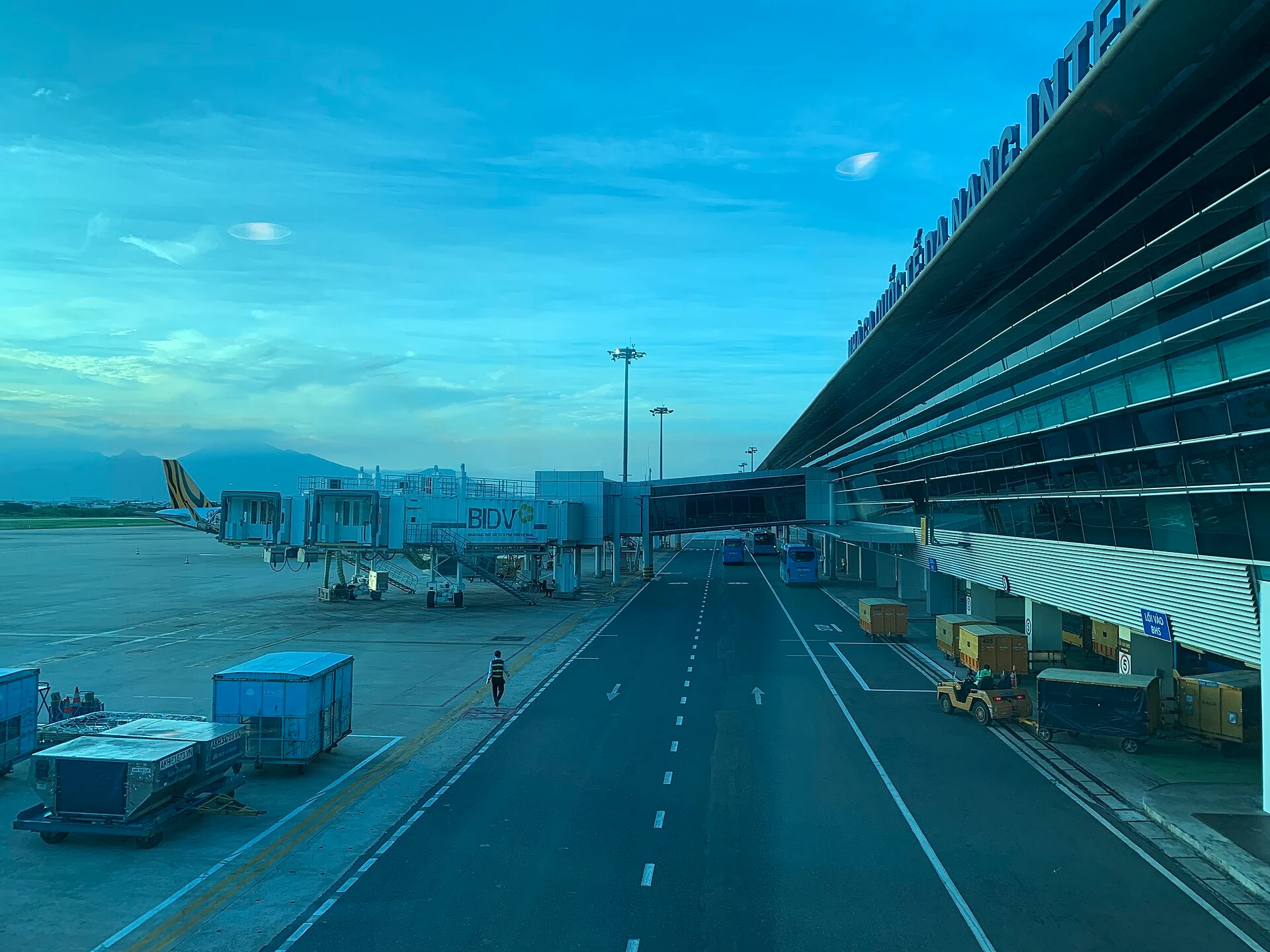
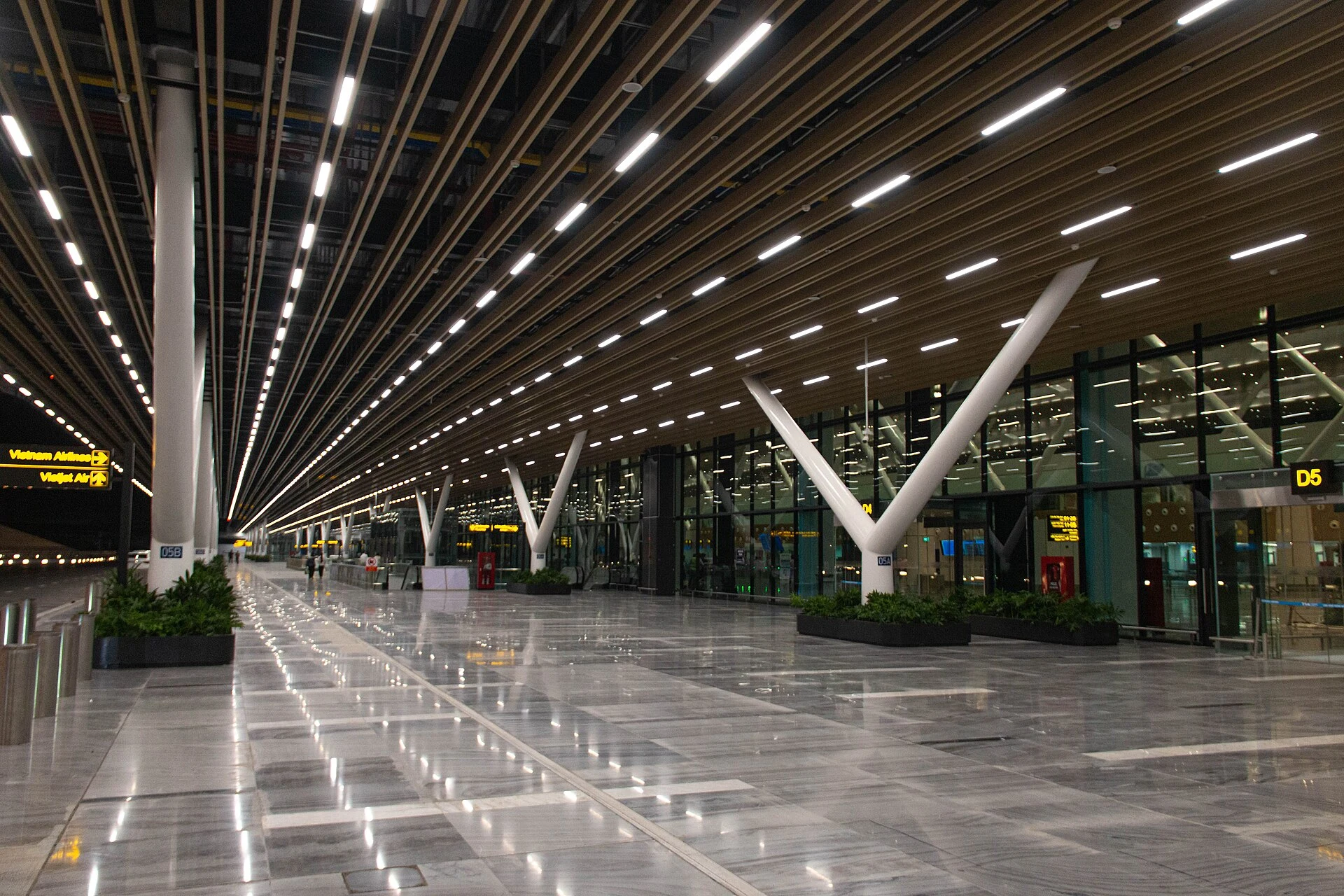
Buying a liquid after one security checkpoint does not answer every onward transit question. Keep any required sealed packaging and receipt intact and check the restrictions for the next airport and carrier before purchase. Da Nang’s departure guide is useful for understanding the sequence of airport procedures, but it does not remove another airport’s rules. For an uncomplicated packing choice, finish ordinary drinks before the relevant international screening and refill or buy only where the applicable procedure permits.
Questions travellers ask
Does a half-empty large bottle meet 100ml rules?
The international rule is based on the container capacity, not only the remaining liquid.
Does domestic acceptance cover the international connection?
No. Check the next sector and screening point separately.