Da Nang Cham Sculpture Museum: learn to look beyond the stone
Explore Da Nang’s Cham Sculpture Museum through the origins, religious meanings and details of its collections, with a focused approach to the galleries.
 Cat Ba Connect2 min read
The short answer
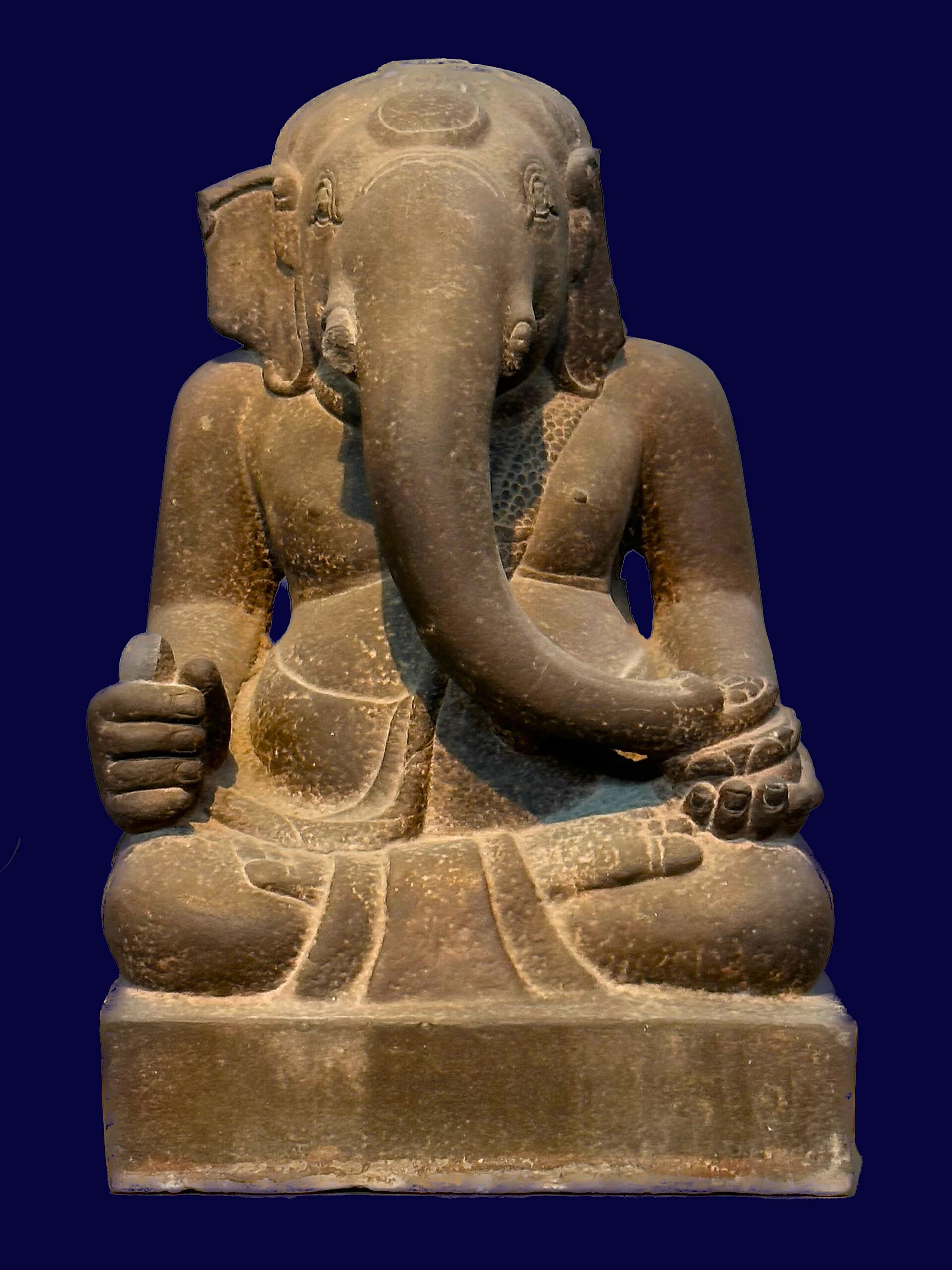
The Cham Sculpture Museum provides context for the art of historical Champa. Start with an object’s original site, then examine its material, figures and role before moving to another gallery.
Use origins to organise your visit
The collection brings together works associated with sites including My Son, Tra Kieu, Dong Duong and Thap Mam. Those names help you see regional and historical differences rather than a single uniform style. Read a gallery introduction and locate the place in your wider Vietnam journey. If you have already visited Po Nagar or My Son, bring questions from that experience instead of expecting every object to resemble what you saw outdoors.
Look closely before reading the whole label
Choose one work and notice its posture, surface and surviving details. Then read the label to test your first impressions. Some pieces were part of larger architectural or religious arrangements, so their current display does not reproduce their original setting. Ask how scholars identify a figure or date an object. A few minutes with one sculpture can teach you a method for looking that applies to the rest of the collection.
Remember the missing architectural context
Museum objects often survive apart from the building, altar or landscape that once gave them meaning. Imagine how their size and placement might have affected the original viewer, while keeping conjecture separate from documented information. Avoid touching surfaces or leaning on plinths. The purpose of careful viewing is to notice craftsmanship and belief without damaging the evidence that allows later visitors and researchers to continue asking their own questions.
Choose interpretation to match your interests
Check the museum’s current options for guides, audio material or digital interpretation. The city tourism portal describes visitor information services, but availability and arrangements should be confirmed for your date. Religious iconography may be unfamiliar; asking for a clear explanation is more useful than memorising a long list of names. Families can select two contrasting works and compare shape, expression and function instead of trying to cover every gallery at the same depth.
Add the river as a change of pace
The museum’s central riverside setting makes a Han River walk a useful companion activity when conditions suit. This shifts from close indoor observation to the scale of the modern city. A later visit to Marble Mountains offers another relationship between stone and sacred space, but it should have its own time for steps and caves. Plan the combination around attention and comfort rather than the number of landmarks crossed off in one afternoon.
Questions travellers ask
Do I need to know Cham history first?
No. Begin with the gallery introductions and a few carefully chosen works; interpretation can build the context.
Does it replace a visit to My Son?
No. A museum collection and an archaeological landscape reveal different aspects of the same broad cultural history.