Hanoi phở: broth, breakfast and the first unseasoned spoonful
Explore Hanoi phở through flat rice noodles, stock and chosen cuts, with a first-spoonful approach and a breakfast plan before walking or museum visits.
 Cat Ba Connect3 min read
The short answer
Phở refers to the flat rice noodle as well as the familiar soup meal. In Hanoi, beef and chicken versions are both important choices. Asking for phở without identifying the meat may leave the main decision unresolved. The bowl’s interest lies in the relationship between noodle, stock and topping, not merely in a photograph of steam rising.
Phở starts with a particular noodle
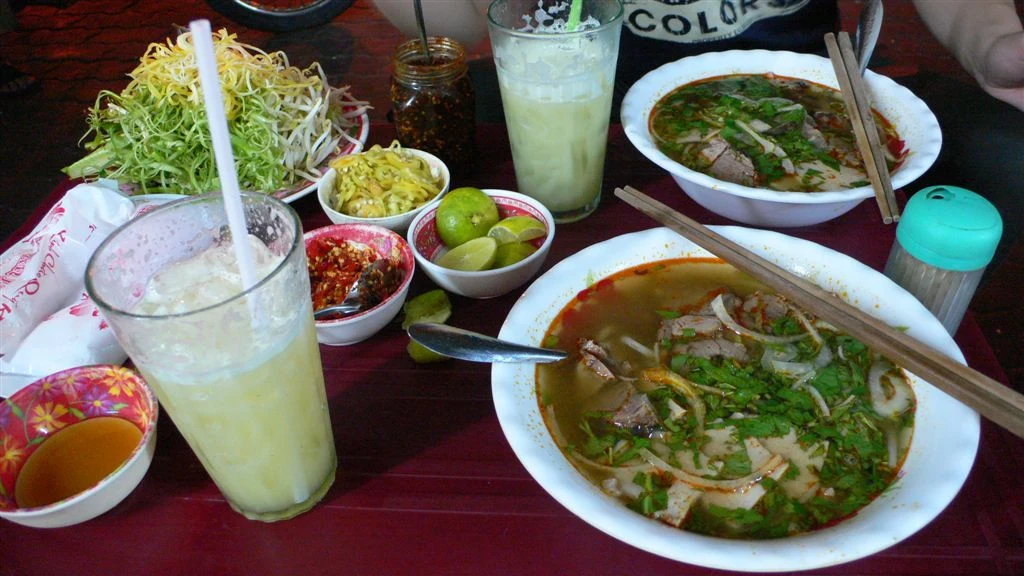
Look at how the flat noodles, cut meat and green garnish are arranged before the first stir. The stock joins them, but each component still has its own preparation. A request for a different cut is therefore different from a request to change the broth. At a busy counter, naming the meat and available cut clearly gives staff a practical order to fulfil, rather than leaving them to interpret a broad request for traditional Hanoi flavour.
Read a broth without inventing one formula
Vietnam Tourism describes clear Hanoi broths with slowly cooked bones and aromatics. The stock varies between kitchens, so an exact spice list should not be treated as a certificate of authenticity. Northern and southern comparisons can be useful starting points, but individual shops complicate any tidy rule about herbs, sweetness or condiments.
Order the meat and preparation clearly
Ask which cuts or chicken portions are available, and specify how you want meat cooked where a choice is offered. Taste broth before adding lime, vinegar or chilli. A condiment should help you understand the bowl rather than immediately conceal it. If you avoid an ingredient, ask about the stock and seasoning as well as the visible meat.
Use breakfast as a gentle start
A phở breakfast can precede a walk around Hoàn Kiếm or a museum visit, with the meal close enough that transport does not dominate the morning. Choose a seated stop and allow time for service. A busy shop is still a workplace; keep luggage and camera equipment out of the path between stockpot, counter and tables.
Compare one bowl with another food format
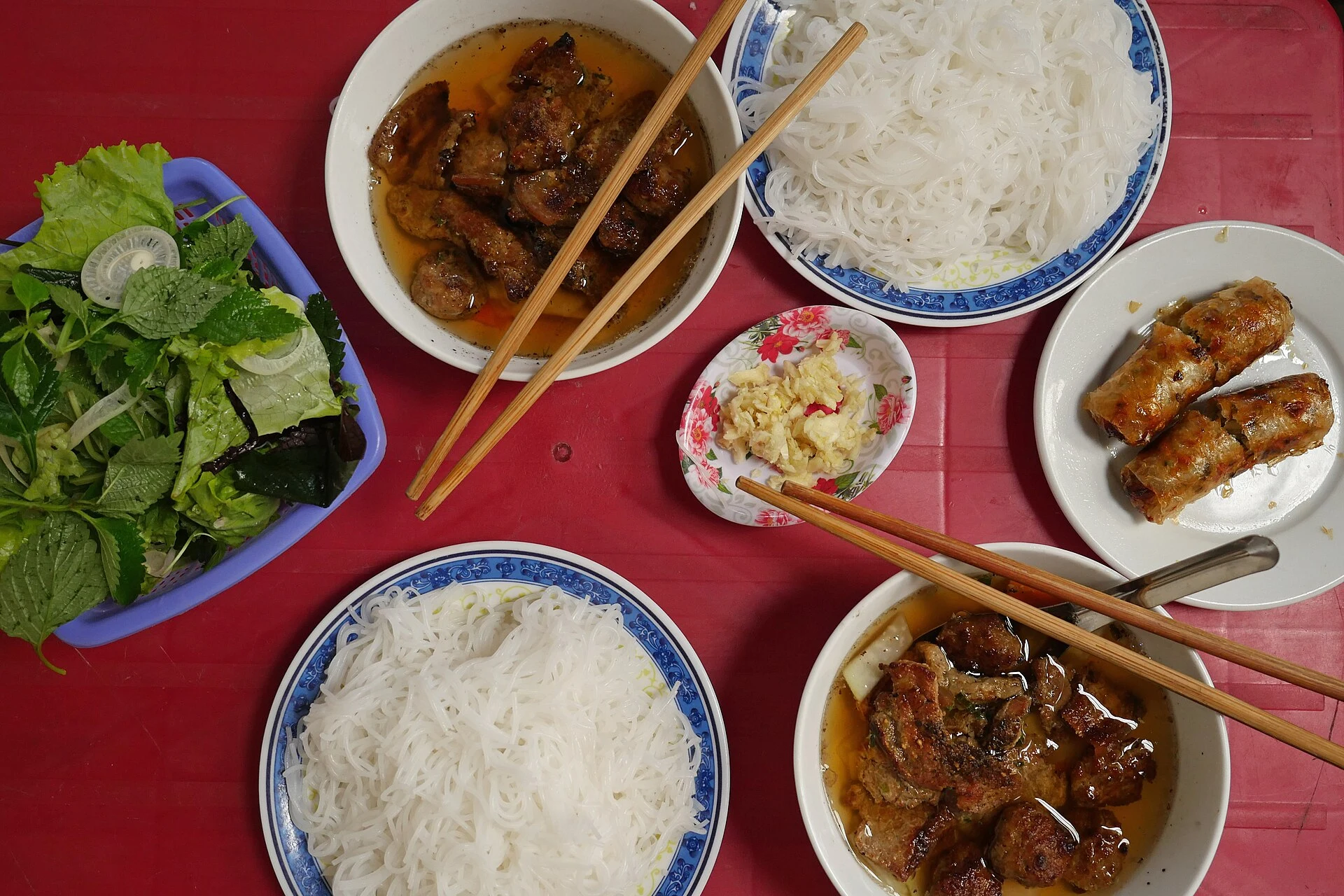
On another day, choose bún chả to experience noodles with grilled pork and a separate dipping bowl. That changes the structure of the meal instead of simply adding a second large soup. The contrast helps you remember Hanoi through different techniques: simmering stock, grilling meat and assembling a mouthful from several elements.
A second visit is most useful when it answers a particular question, such as how a chicken bowl differs from the beef version or what another cut contributes. Every morning need not become a tasting contest. At a crowded counter, prepare a clear order and keep ingredient questions short; leave detailed conversation for a moment when the people cooking can actually respond.
Questions travellers ask
Is phở only eaten for breakfast?
No. Breakfast is a familiar setting, but individual shops may serve it at other times; confirm their hours.
Does the visible meat identify the whole stock?
No. Ask about broth and seasoning separately if ingredients matter.