Hanoi chả cá: turmeric, dill and the dish beyond one brand
Explore Hanoi’s turmeric-and-dill chả cá, distinguish the dish from the Lã Vọng business name, and prepare for a relaxed meal with table-cooking questions.
 Cat Ba Connect3 min read

The short answer
In the Hanoi context, chả cá often means pieces of seasoned fish finished with dill and spring onion, eaten with vermicelli and accompaniments. Chả Cá Lã Vọng is a particular historical restaurant name strongly associated with the dish. It should not be used as if every restaurant serving turmeric fish were a branch of the same business.
Keep dish and restaurant names separate
Pieces of fish, fresh green herbs and vermicelli form a recognisable Hanoi meal, but the name on a restaurant sign carries additional business information. Keep these two kinds of identification separate when planning a visit. A menu describing chả cá tells you about a preparation; an address and full trading name tell you which establishment will serve it. Similar dish names do not establish shared ownership, an identical recipe or a connection to one historical family.
Explain the association with care
Vietnam Tourism connects the well-known Lã Vọng story with the Đoàn family and Hanoi’s craft-street setting. Attribute that history to the named restaurant and source rather than transferring every detail to all modern chả cá businesses. Fish species and methods can differ. The reliable shared starting point is the preparation and serving style you actually encounter.
Ask what will happen at your table
Some restaurants finish the fish in a hot pan at the table; others manage more of the cooking in the kitchen. Follow staff instructions around burners and hot oil. Ask about the fish, marinade and sauces before service. Fermented shrimp paste, peanuts and herbs may be separate components, but their absence from one plate does not settle the whole ingredient question.
Give the meal time beyond a snack
This suits a deliberate lunch or dinner after an Old Quarter walk. A table pan and multiple accompaniments require more attention than a quick bread roll. Keep children and loose belongings clear of the heat and wait for staff to explain the setup. Do not rush the service solely to capture an image of herbs hitting the pan.
Compare Hanoi with the coastal meaning of chả cá
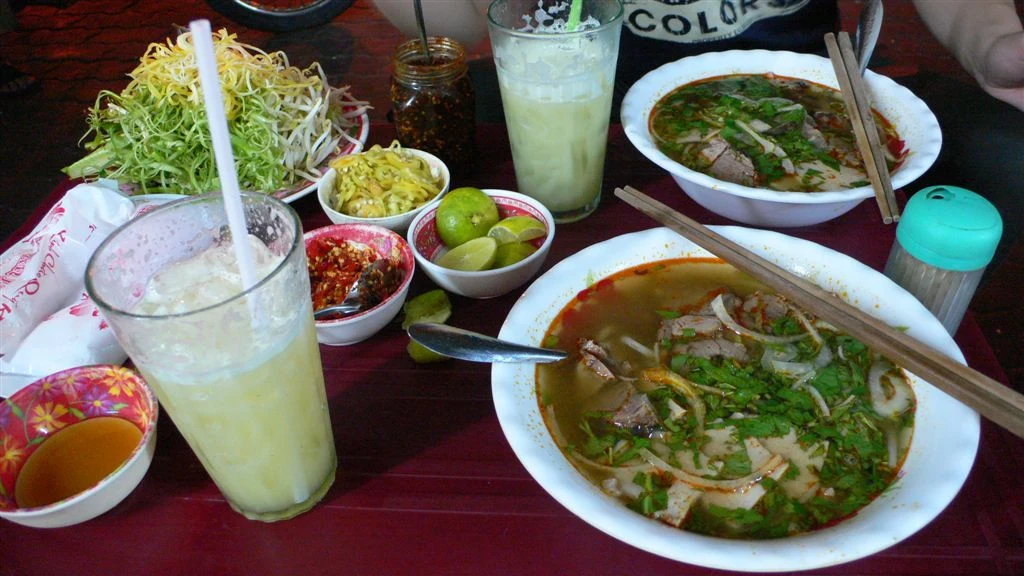
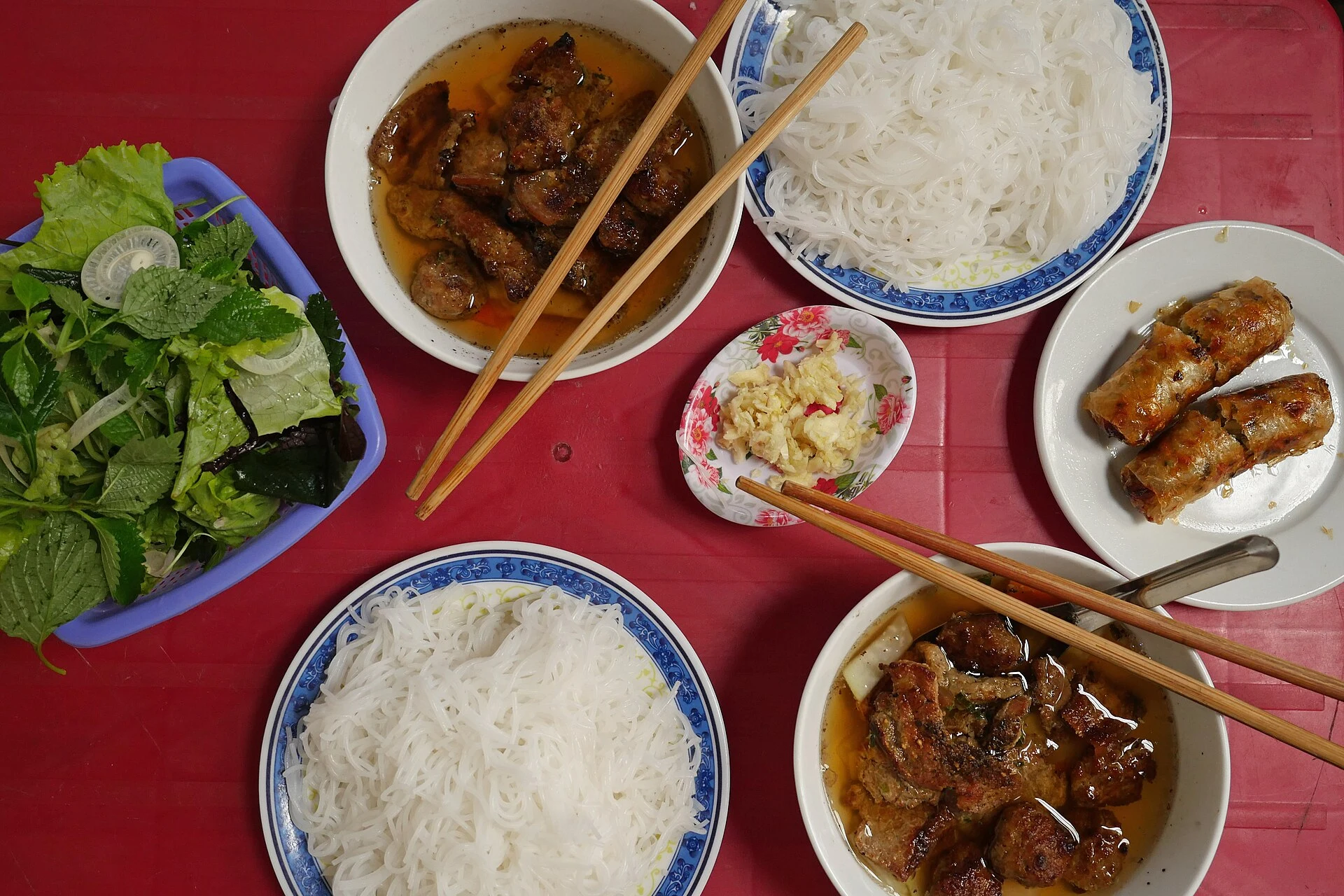
If you encounter bún chả cá in Da Nang, notice how the same Vietnamese words can point toward fish cake in a noodle bowl. Keeping full names prevents confusion and adds a useful language lesson to the trip. In Hanoi, contrast the herb-heavy fish meal with phở broth or the charcoal-grilled pork of bún chả.
Read the business name and address separately from the dish description when choosing a restaurant. Similar menu wording does not establish a commercial relationship. If table cooking is offered, ask whether that setup suits the group before ordering. This keeps a practical decision about hot equipment and seating separate from historical claims about a particular family, and leaves the fish and herbs at the centre of the meal.
Questions travellers ask
Does every chả cá restaurant belong to Lã Vọng?
No. The dish and the historical restaurant name must be distinguished; check the individual business.
Which fish must the kitchen use?
Do not assume one species; ask the restaurant what it is serving.