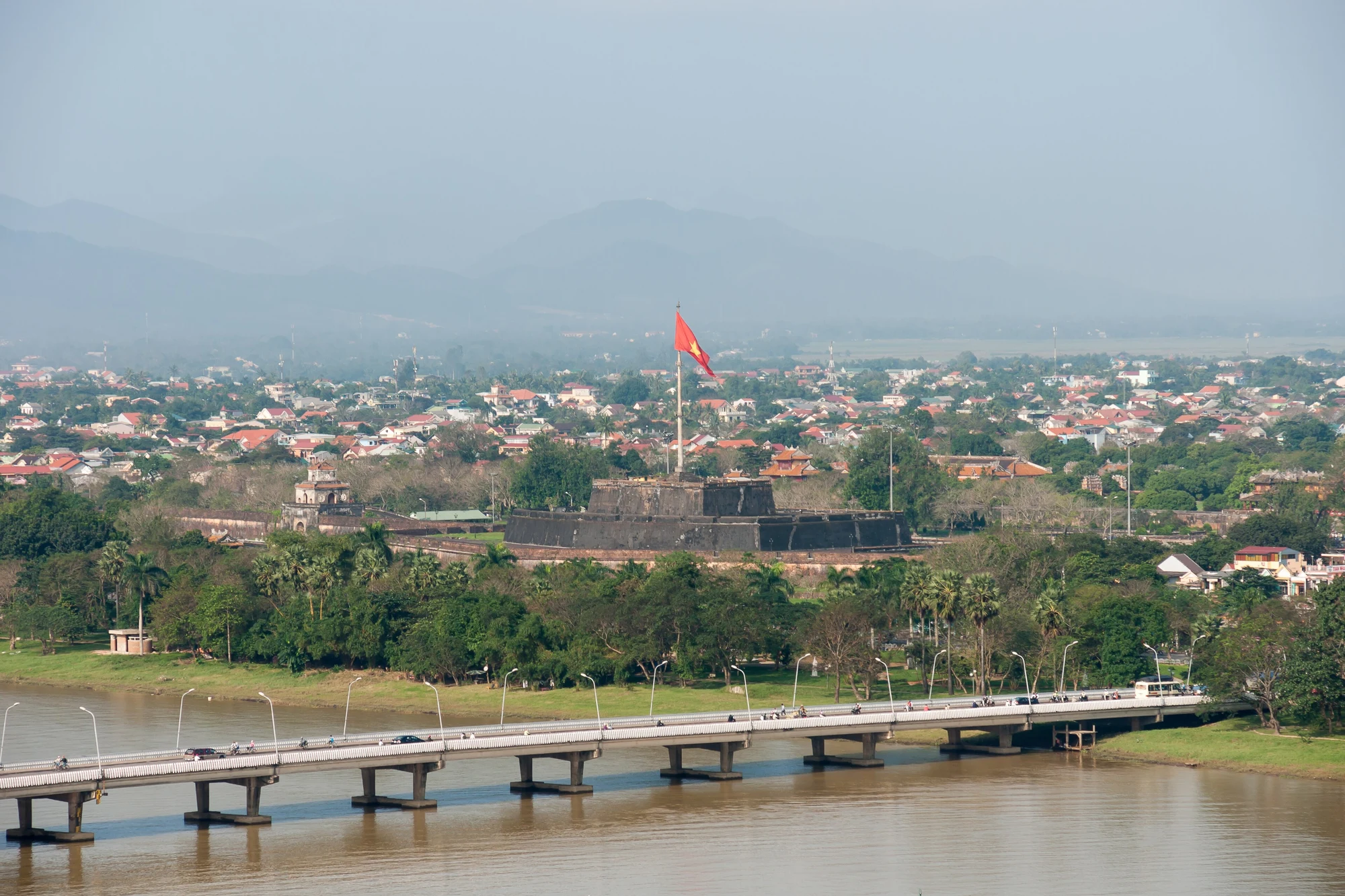
Hue river trips: use hydrology updates and confirm the landing
Recognise the purpose of official Huong River reservoir-operation bulletins, and ask separate questions about a Hue boat trip, landing and return transfer.
 Cat Ba Connect3 min read

The short answer
The national forecast centre publishes hydrological bulletins supporting reservoir operations on the Huong River system. Their technical purpose differs from a visitor boat-departure notice. For a Hue outing, use the hydrology as background and obtain the actual service decision, landing point and return arrangement from the responsible provider. Checked on 27 October 2026, this guide does not infer a current release schedule, river level or sightseeing suspension from the product title.
Identify the technical purpose
The official product is labelled as a daily hydrological forecast serving the Huong River inter-reservoir operating process during the flood season. That title tells you the intended function; it does not tell you which sightseeing boats will leave a particular pier. Read technical material with its audience in mind. Before sharing a figure, know what it measures, which location it concerns and whether the statement is observed or forecast rather than using a river-related headline as a general travel verdict.
Do not invent a release from a headline
A page about reservoir operations is not, by its existence, proof of a particular release happening now. Avoid adding a release time, discharge rate or downstream consequence that you have not verified in the relevant current instruction. For a visitor, it is acceptable to say that you do not have that operational information. Ask the trip provider which current sources it is using and what decision has actually been made for the excursion you booked.
Confirm where people board and leave
For a river outing, identify both the boarding point and the place where the visit ends. A change in landing can alter the walking connection or the vehicle pickup even if the time on the boat appears similar. Send the updated points to the driver and companions together. Do not let a familiar attraction name conceal a different access arrangement; the practical experience includes reaching the boat and returning to the next part of your day.
Assess the offered itinerary on its own terms
If the provider proposes a shorter or different river programme, ask what you will actually see and how it connects with the land visit. Compare the revised duration, inclusions and conditions before deciding. A different departure point is not automatically a problem, but it should be explained rather than discovered after payment. You can decline an experience that no longer matches your interests without turning that personal choice into an unsupported claim that every river activity is prohibited.
Keep public instructions above the itinerary
If responsible authorities or site staff restrict access, follow the restriction rather than searching for an informal alternative to preserve the original route. Ask for the booking consequences through the supplier’s normal channel. Keeping the public instruction and the commercial response separate makes the next decision clearer: one determines what is permitted, while the other explains the service you have paid for. Neither should be replaced by an unverified interpretation of a technical river bulletin.
Questions travellers ask
Does a reservoir-operation bulletin announce a boat departure?
No. Obtain the actual sightseeing service decision separately.
Does the title prove a release is happening now?
No. A specific current operation needs its own verified instruction.