Hanoi’s new tourism plan: check rail products before treating them as bookable
Read Hanoi’s October 2026 tourism development plan as a roadmap, distinguish proposed rail experiences from operating trains and ask for a real departure.
 Cat Ba Connect3 min read
The short answer
Hanoi’s October 2026 tourism action plan sets development goals and tasks, including new products and stronger links between tourism services. A planned rail-tourism product should not be treated as an operating train with seats for sale merely because it appears in that roadmap. Before booking, ask for the actual operator, route, train or departure identifier, date and inclusions. Compare an ordinary railway ticket with a packaged cultural experience as separate purchases.
Identify what the city actually announced
The culture department’s 20 October article describes Plan 406/KH-UBND dated 19 October 2026 and a tourism development horizon through 2030. Targets and assigned tasks explain policy direction; they are not the same thing as a passenger timetable. Read the verbs around a proposed product carefully: develop, prepare and launch can describe different stages. Keep the announcement date and planning horizon beside any claim that a new visitor experience is already available for purchase on a specific day.
Ask for a departure that can be identified
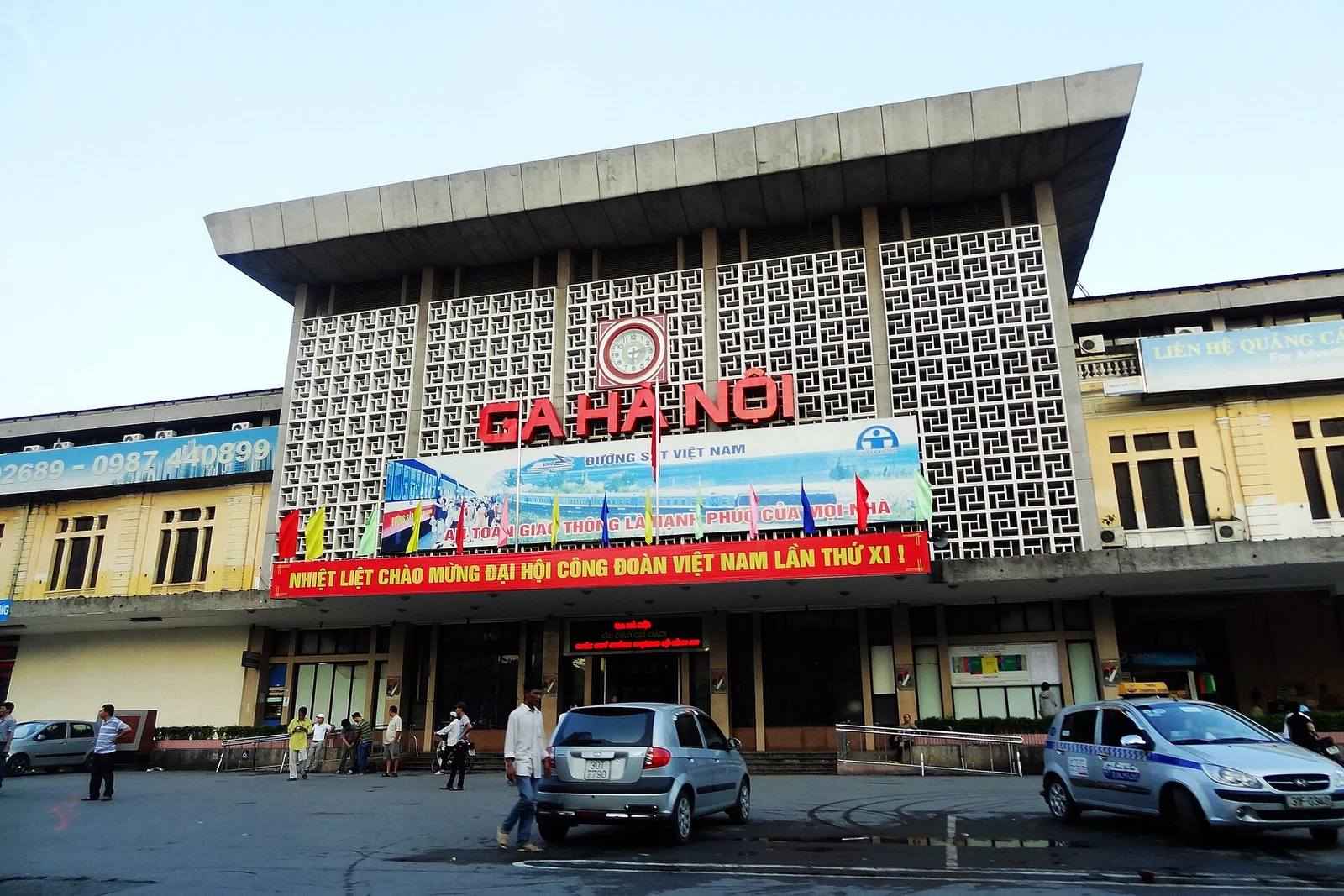
For a rail offer, request the travel date, departure and arrival stations, train number or other official service identifier, and who operates the journey. A destination name alone cannot establish which train you will board. Ask whether the offer is an ordinary scheduled service with a guide added or a separately operated tourism programme. This distinction helps you verify the underlying transport and understand why two offers using the same rail corridor may have different prices, obligations and cancellation arrangements.
Separate the seat from the experience
A railway reservation may cover a seat or berth, while a tourism package can add interpretation, meals, transfers or activities away from the station. Ask for those inclusions by name and determine which supplier is responsible for each part. Do not infer live performances, a special carriage or a historic locomotive from promotional imagery. If the listing shows an illustration, request a description of the equipment and service actually confirmed for your departure, including any substitutions permitted in the terms.
Check what remains unconfirmed before paying
If the seller cannot identify an operating departure, treat the offer as an enquiry or an expression of interest until the missing details are supplied. A planning milestone in November or December does not alone establish a daily public service from that month onward. Ask whether payment reserves a confirmed place or only joins a waiting list, and what happens if the launch moves. Keep the answer in writing so the booking status is clear to everyone travelling together.
Keep a normal cultural day as an independent option
If the proposed rail experience is not ready, choose a museum, heritage site or ordinary train journey because it suits your interests, not because it supposedly reproduces an unlaunched product. Confirm those services through their own current channels. A city development plan can inspire a future visit while remaining a roadmap. Turning it into a useful traveller decision means knowing which element is available now, which is only announced, and which would require another confirmation before money or travel time is committed.
Questions travellers ask
Does an action plan prove seats are on sale?
No. Verify a specific operating service and departure.
Is a normal rail ticket the same as a cultural package?
Not necessarily. Compare transport and added services separately.