Vietnam train e-tickets: from booking to the platform
Understand Vietnam railway e-tickets, passenger details and station boarding, with a practical checklist for checking your train before departure.
 Cat Ba Connect3 min read

The short answer
An e-ticket is part of a specific train journey, with a named passenger, date, train and seat or berth. Check those details against your travel document and keep the ticket accessible before entering the station. Use the railway’s own booking guidance and transport conditions for the rules attached to your purchase.
Read the journey before paying
Check the origin and destination stations, not just the city names in your itinerary. Confirm the date, departure time, train number and accommodation type on the booking screen. An overnight arrival may fall on the next calendar day. If several people travel together, inspect each passenger entry separately; one correct lead booking does not prove that every name or seat in the group is correct.
Keep the ticket and identification together
Use the passenger details required by the railway and carry the corresponding identification. Save the actual ticket information offline rather than relying on a message that only confirms payment. A low battery or weak signal at the entrance should not prevent you from showing the booking. Keep a second accessible copy if you are arranging travel for relatives who will not carry the booking phone.
Find the station before departure day
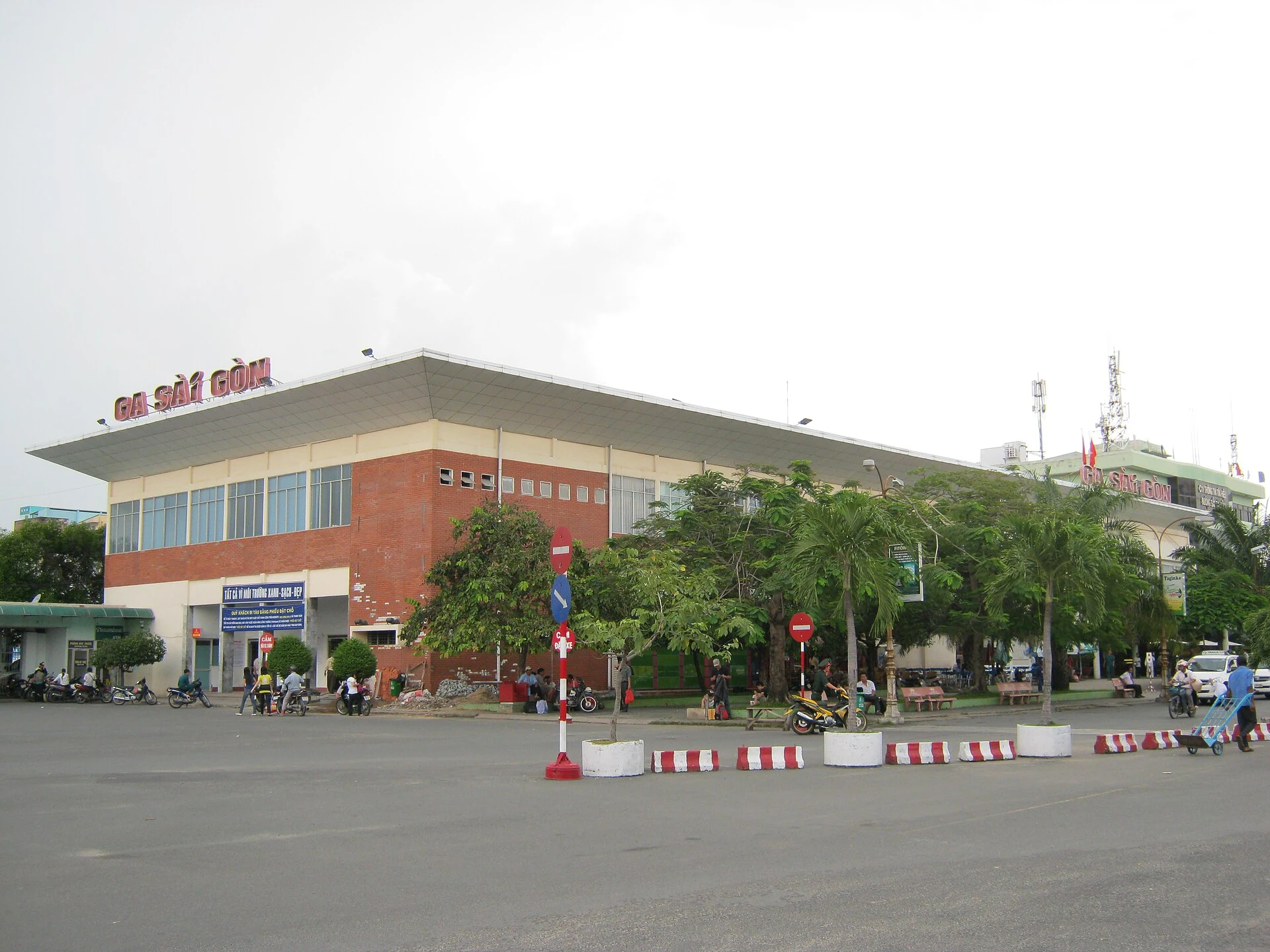
A hotel pickup point, travel-agent office and railway station are different places. Locate the station entrance and allow for the route from your accommodation, especially when traffic or rain may slow the final streets. Check the station board on arrival: the platform and boarding instructions are operational information, and an older travel blog cannot tell you which entrance staff will use for your departure.
Match the coach and place number
Once boarding is announced, use the coach and seat or berth printed on the ticket. Ask railway staff when a marking is unclear instead of following another passenger into a carriage. Put heavy bags where they remain stable and do not obstruct the aisle. If your group has separate places, settle into the booked accommodation first and ask staff about any possible change afterward.
Treat changes as a separate decision
A new travel plan does not automatically amend an existing ticket. Before cancelling or buying again, consult the conditions for that service, ticket type and departure date. The official conditions and help pages are the useful starting point; a refund example from a previous Tet season may no longer apply. Keep booking references and receipts until the journey and any requested adjustment are resolved.
If several tickets are stored on one phone, agree how the group will present them and keep everyone together during the check. Splitting up at the entrance before another traveller has their ticket can create an avoidable delay. A clear plan matters more than collecting several screenshots that nobody can identify quickly.
Questions travellers ask
Is a payment receipt the same as a train ticket?
Do not assume so. Check that you have the passenger and journey details required for boarding, not just a bank payment confirmation.
Can an old holiday refund rule be used for every ticket?
No. Consult the conditions attached to your current service and purchase. Special-period rules and deadlines can differ.