Thang Long Imperial Citadel: read Hanoi through its layers
Visit Thang Long Imperial Citadel with context for its archaeological layers, surviving monuments and modern history, beyond a palace-photo expectation.
 Cat Ba Connect2 min read
The short answer
Thang Long is best approached as a layered seat of power, not a complete surviving royal palace. Archaeology, gates and more recent military history together explain the site’s long significance.
Set expectations for an archaeological landscape
UNESCO recognises the central sector of Thang Long for the long continuity of political power and cultural exchange expressed here. Much of that history lies in remains, foundations and successive layers rather than intact palace rooms. Start with a site plan and timeline. This gives meaning to open ground and fragments that might otherwise seem modest beside a photograph of a gate, and avoids disappointment based on expecting a reconstructed royal interior.
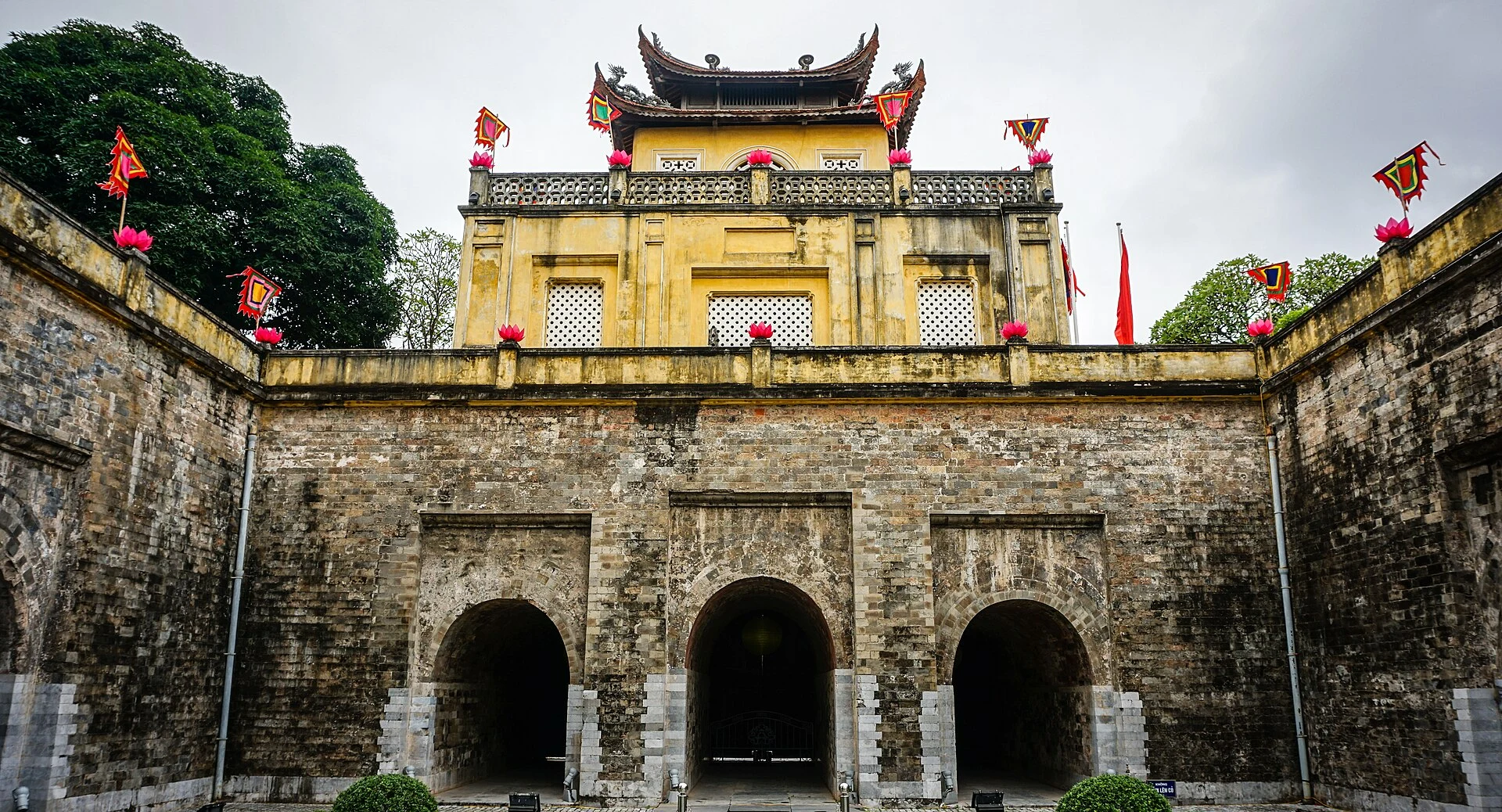
Use Doan Mon as an orientation point
The surviving entrance provides a visible way to think about movement toward the former imperial centre. Observe its position and proportions, then relate it to the wider plan rather than viewing it as an isolated photo stop. Where interpretation explains a lost building, distinguish what remains physically from what is understood through research. The absence of a complete structure can be part of the history you are trying to understand.
Follow the layers beneath the modern city
Archaeological interpretation helps connect different periods of Hanoi’s development. Read how finds are dated and what evidence supports a reconstruction of earlier spaces. A visitor does not need specialist training to ask useful questions: what stood here before, how was it changed, and what can a fragment tell us? Respect excavation barriers and never collect material. The ground itself is an archive, and incomplete evidence still deserves careful protection.
Include the more recent historical chapter
The citadel also contains places associated with twentieth-century military decision-making, including the D67 context described by national tourism information. That chapter does not replace the imperial one; it adds another use of an enduring political location. Ask which areas are currently open and how the interpretation connects them. Visitors who focus only on ancient dynasties may miss why the same central ground remained significant through later periods of profound change.
Give the site a coherent half-day rhythm
Allow time to alternate outdoor walking with close reading, adjusting for heat and rain. Confirm current routes, exhibition access and any guided or evening programme separately rather than assuming one ticket includes everything. Families can follow the theme of changing uses through time. Afterward, choose one contrasting Hanoi activity, such as a neighbourhood walk or museum, rather than adding several unrelated monuments before you have absorbed the citadel’s historical sequence.
Questions travellers ask
Will I see an intact royal palace?
Do not expect that. The visit combines surviving monuments, archaeological evidence and later historical buildings.
Why is twentieth-century history included?
The same central location continued to serve political and military functions, adding another layer to its long history.