Vietnamese Women’s Museum: everyday lives, work and historical voices
Explore Hanoi’s Vietnamese Women’s Museum through personal objects and stories, with a thoughtful approach to family life, work and historical experience.
 Cat Ba Connect2 min read
The short answer
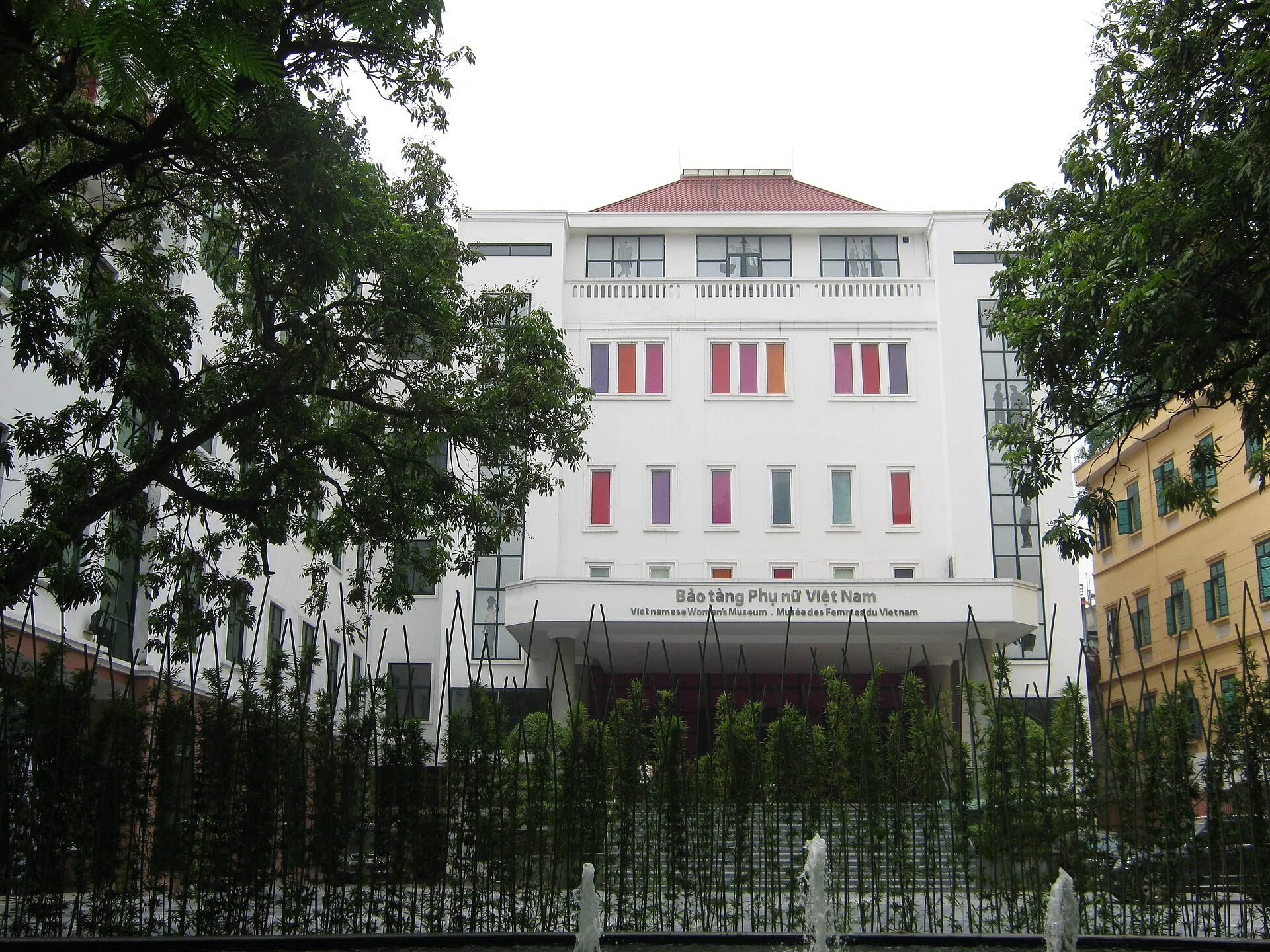
The Vietnamese Women’s Museum offers a way to examine history through women’s experiences and material culture. Give individual stories time, and avoid treating one display as representative of every woman in Vietnam.
Let personal objects open broader questions
An everyday object can reveal work, family relationships, identity and change. Rather than moving quickly between larger displays, choose something whose purpose you do not immediately understand and read its story. Ask who used it, when and under what circumstances. The museum’s focus on preserving and presenting women’s heritage makes such questions central. This approach works even if you arrive with limited background knowledge of Vietnam’s social or political history.
Avoid reducing women’s lives to one role
Family customs, clothing, labour and participation in historical events offer different perspectives, but none should become a simple definition of Vietnamese womanhood. Pay attention to the names of communities and individuals and to changes across time. A display may describe a particular tradition rather than a universal practice. Comparing accounts carefully is more informative than deciding that one striking object or photograph explains an entire country’s diverse experiences.
Read clothing as evidence of knowledge and identity
Where costumes or textile objects are displayed, look beyond colour toward technique, use and the context given by the label. Who made an item, on what occasion was it worn and what work did its production require? Those questions connect visual beauty with knowledge and labour. Do not assume a garment is still everyday dress simply because it appears in a museum. Historical collections require the same attention to dates as photographs or documents.
Make space for individual historical voices
Stories about conflict, public service or social change can be moving. Read names and circumstances rather than turning them into anonymous examples of resilience. If the content raises questions about representation, note what the museum includes and what you would like to research further. Current exhibitions may add perspectives beyond the permanent displays. Check the museum’s own announcements for the programme on your date instead of relying on a past exhibition advertisement.
Use a focused visit to enrich the city outside
After the galleries, everyday Hanoi may become more legible: street work, family businesses and craft knowledge have histories too. Observation should remain respectful; museum interest does not justify intrusive photographs of people at work. A quiet nearby walk or coffee break gives room to discuss what stood out. If your group includes children, ask them to choose one person’s story or object to explain back, rather than testing how many rooms they completed.
Questions travellers ask
Is it only about wartime history?
No. Approach its collections as a wider exploration of women’s lives, heritage and experiences.
How can children engage with it?
Choose one object or named person, read the story together and ask what it reveals about work, family or change.