The Vuong Family Palace in Sa Phin: Add Context to the Plateau
Visit the Vuong family palace at Sa Phin with time for architectural details and historical explanation beyond its familiar tourism nickname.
 Cat Ba Connect3 min read
The short answer
The Vuong family palace at Sa Phin provides an architectural and historical counterpoint to Ha Giang’s mountain scenery. Give the visit enough time for explanation, and distinguish documented history from the shorthand nickname often used in tour marketing.
Why the palace changes a scenic itinerary
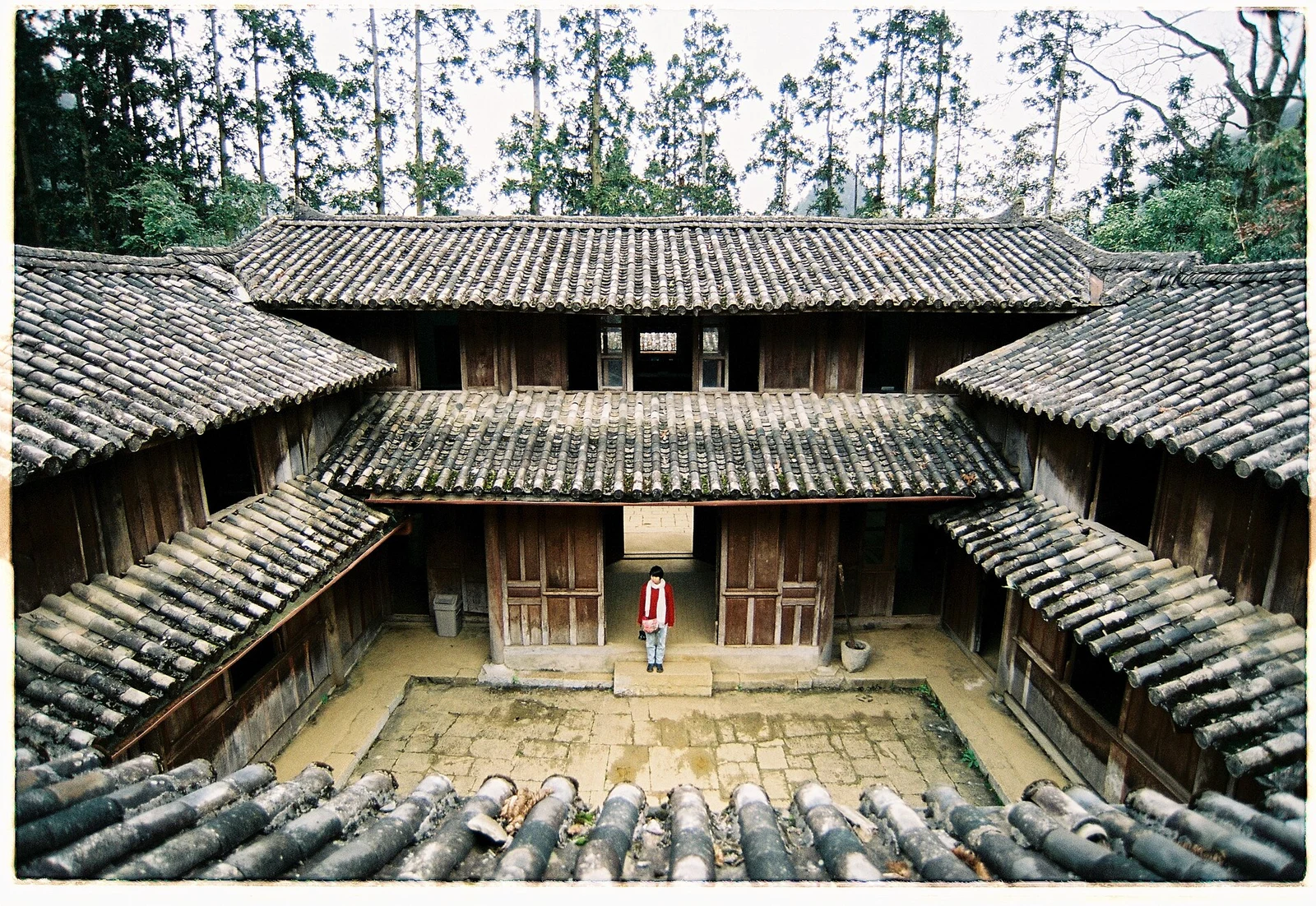
Motorventures describes the palace as connected with the influential Vuong family and lists several architectural influences. A visit gives the plateau a human and political history beyond its dramatic geology. It can be a useful pause between road stages because the subject changes: walls, courtyards and the arrangement of a household replace distant peaks and panoramic viewpoints.
Be careful with the nickname
Tour descriptions often call the site the 'Hmong King's Palace' or associate it with opium wealth. Those labels compress a complex history into a memorable phrase. Ask the guide to explain who the Vuong family were, the period being discussed and which parts of the story are documented at the site. Avoid treating a marketing nickname as a full description of local political structures.
Look at materials and layout
A focused visit can follow a few concrete questions: how is the entrance arranged, what separates public and private space, and which building details catch your attention? Use the guide's explanation to connect those observations with the family's role. Do not assume every feature belongs to a single cultural tradition merely because the site has one familiar title in English-language itineraries.
Give interpretation room
A palace visit is less meaningful if it is scheduled only as a fast photo stop. Ask how long the itinerary normally allows and whether guiding is included. If several groups arrive at once, it may be better to wait briefly and listen in a quieter area where permitted. The point is understanding what you are looking at, rather than collecting the same courtyard image as everyone else.
Pair it with a town or village experience
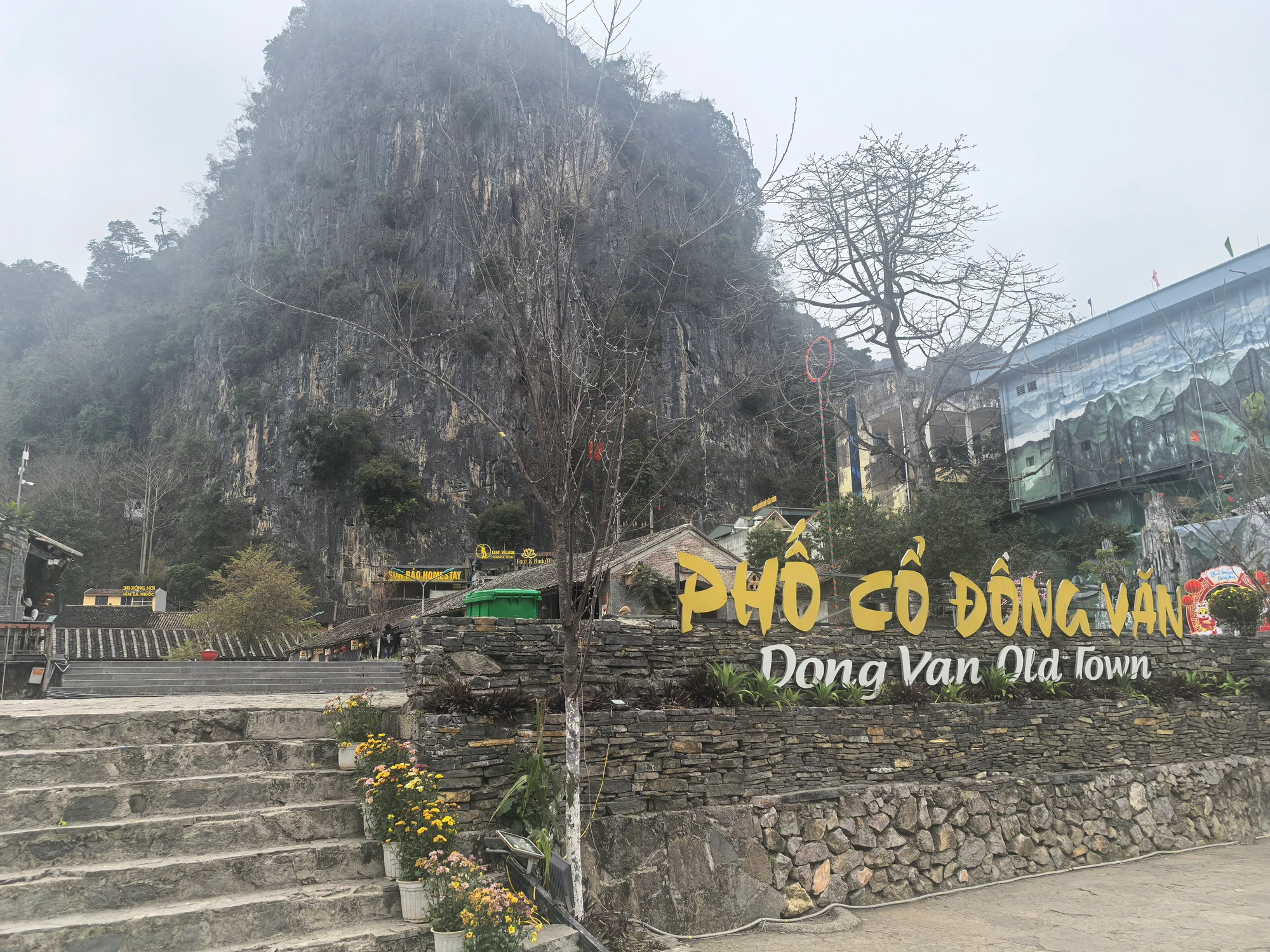
Dong Van's streets or a respectful village visit can provide a useful contrast with an elite family's residence. Together they show that the plateau's built environment is varied. When writing or sharing the trip afterward, label the palace distinctly from ordinary homes. One historic household should not stand in for the lives of every community encountered along the route.
Carry one question into the next stop
A guided palace visit can raise useful questions about how architecture reflects status, resources and climate. Take one of those questions to the next public building or permitted household visit, without expecting the answer to be identical. Comparing a historic elite residence with ordinary town streets helps reveal differences within the plateau. It also guards against the common mistake of using one visually striking site to explain all the people and buildings encountered during a short tour.
Questions travellers ask
Where is the Vuong family palace?
It is associated with Sa Phin on the Dong Van plateau route.
Is it the same as Dong Van Old Quarter?
No. The palace is a separate site; the old quarter is a town area with its own streets and buildings.