Hmong, Tay and Dao in Ha Giang: A Visitor’s Introduction
Meet Ha Giang’s Hmong, Tay and Dao communities with context about homes, markets and crafts, while respecting differences between households.
 Cat Ba Connect3 min read
The short answer
Ha Giang is home to distinct communities, including Hmong, Tay and Dao people. Learn about the particular village and household you visit rather than treating all mountain residents as one culture or using clothing as the only way to identify someone.
Start with diversity, not a costume list
Motorventures' cultural overview describes several ethnic groups along the loop. The useful starting point is that languages, houses and customs vary between communities and within them. Ask a guide how residents describe themselves and how to pronounce local place names. A short exchange grounded in the specific village is more informative than memorising a list of visual stereotypes before arrival.
Notice how homes relate to the land
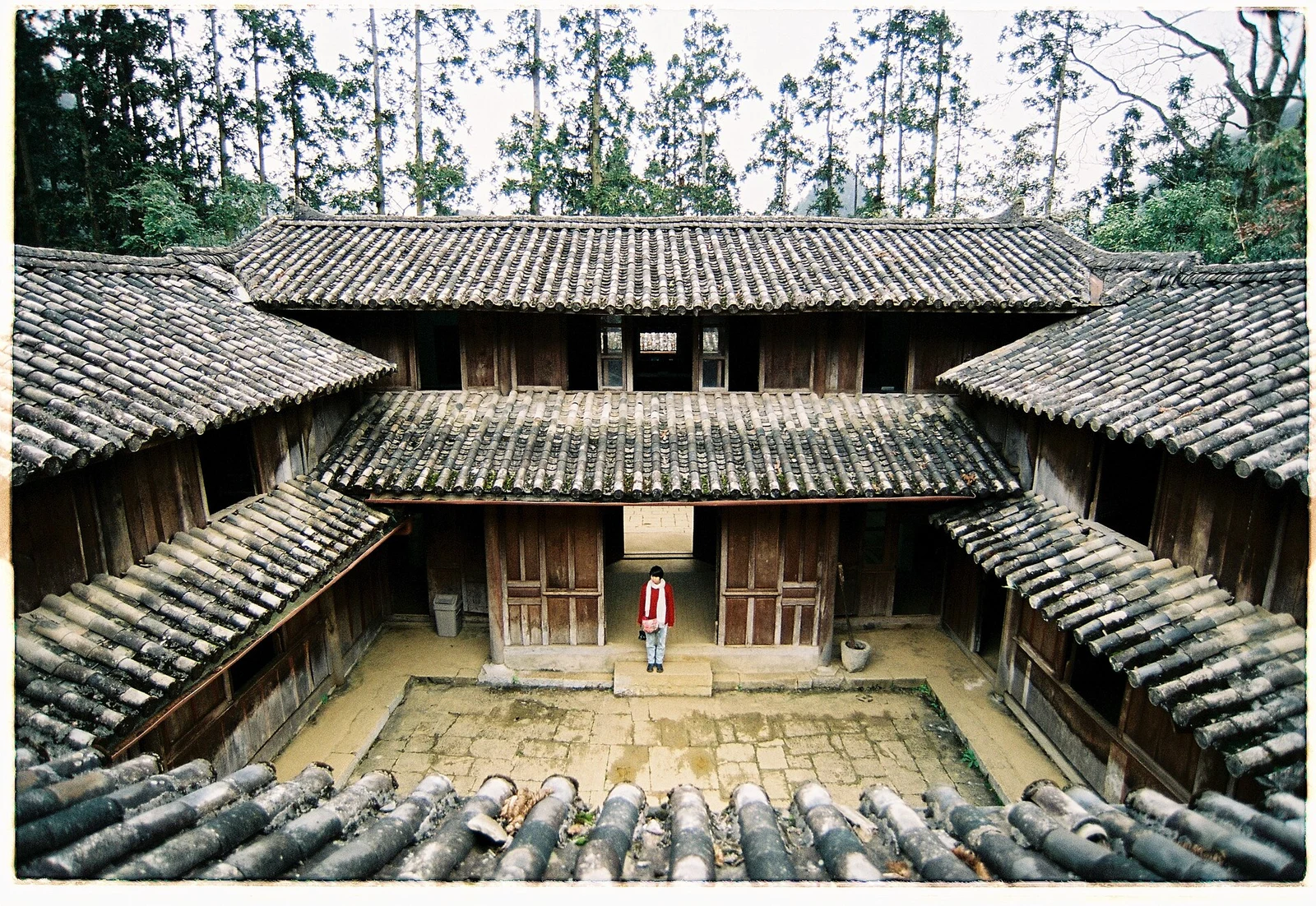
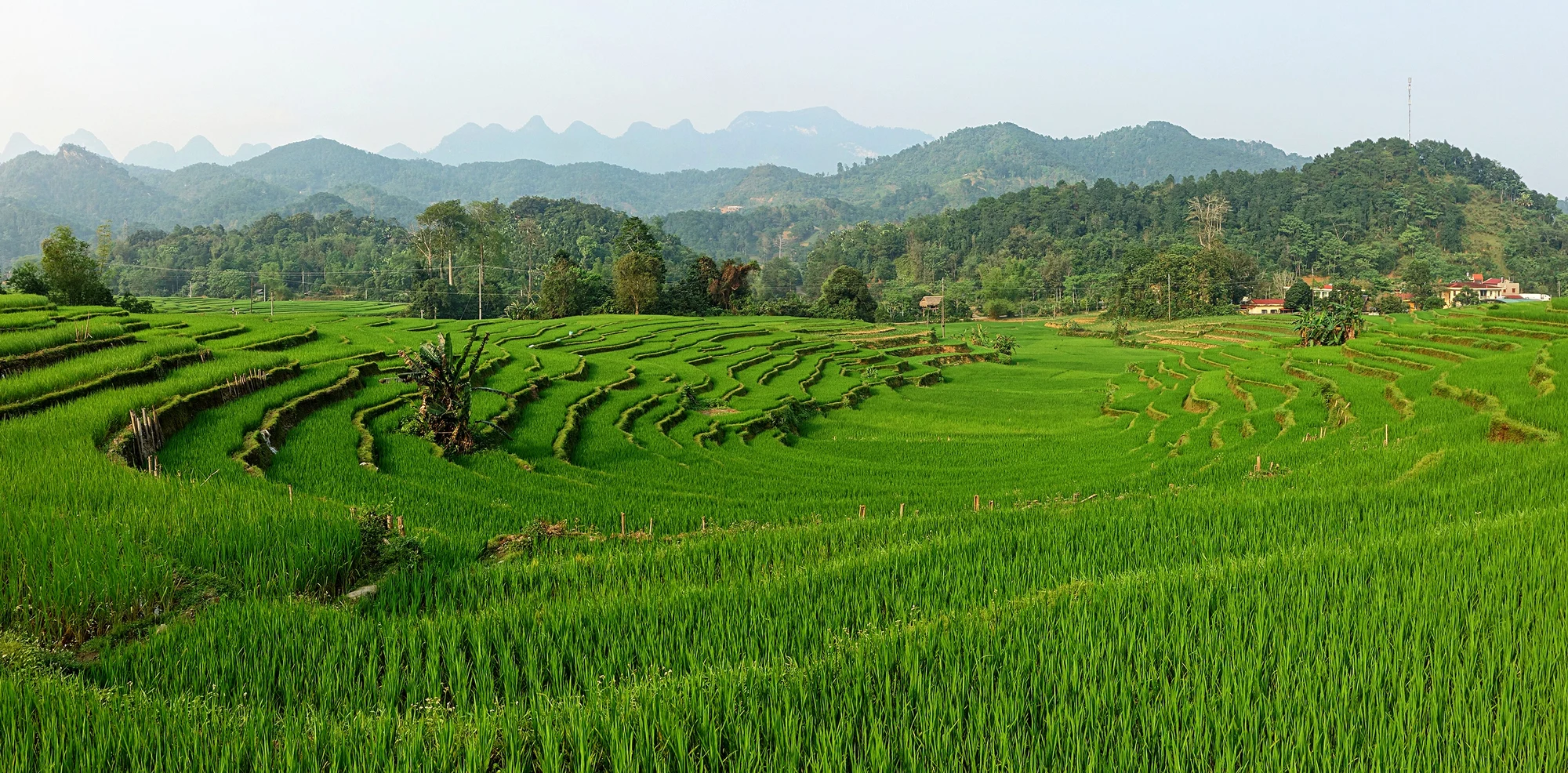
The source overview associates Tay stilt houses with valleys and discusses Hmong communities in higher limestone country. Flipside separately describes clay walls and timber in some host homes. Treat these as starting observations rather than universal rules. Farming conditions, household income and modern building choices also shape a village. Let the host explain why their own house is arranged as it is.
Use markets to understand connections
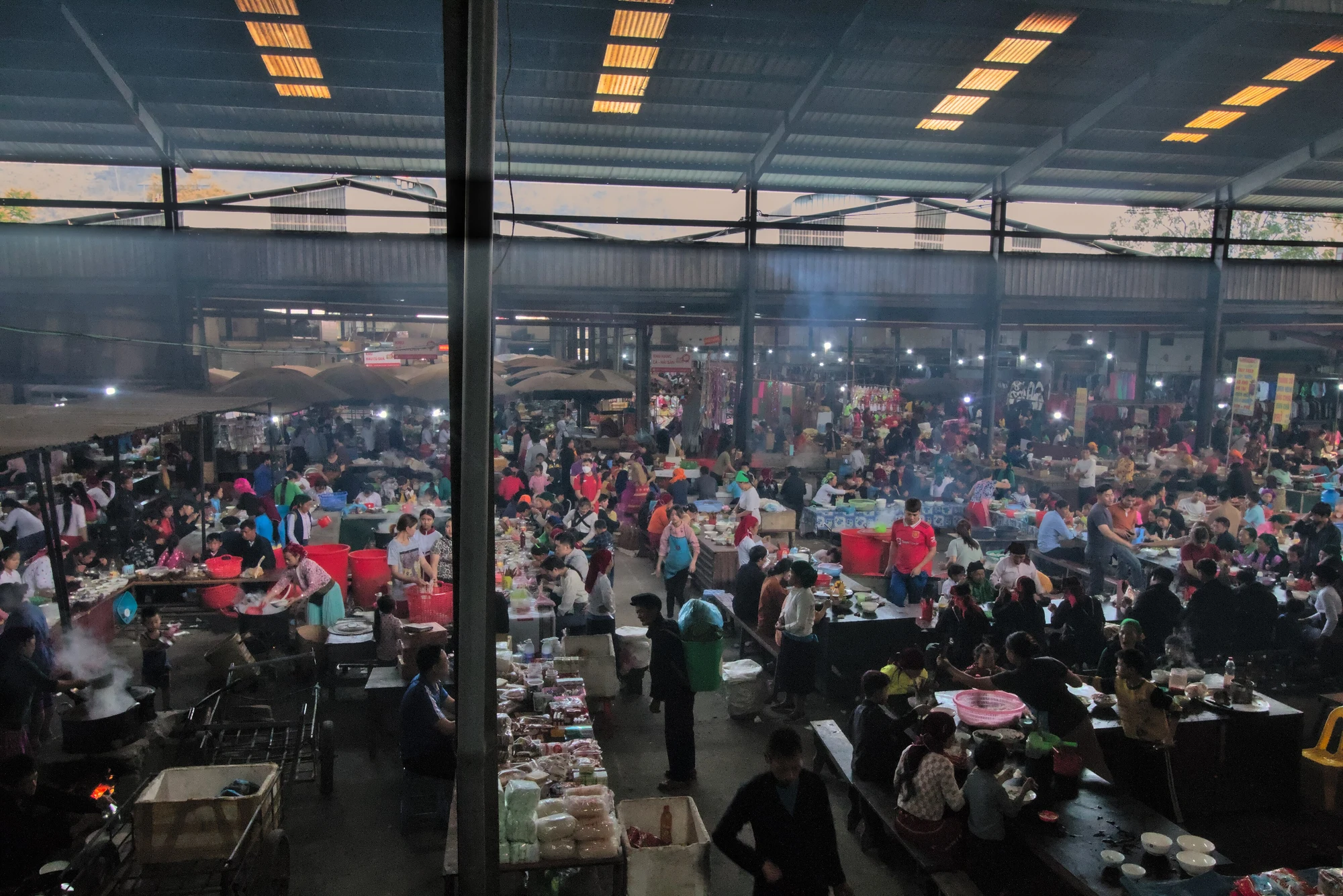
Markets can bring together people from several places to buy supplies, sell produce and meet friends. They are working and social spaces, not simply displays for visitors. A guide can explain what is being sold and who normally attends. Watch without blocking stalls or entrances, and leave room for ordinary trading. Clothing is only one part of a much broader cultural setting.
Make conversation specific
Questions about a meal, a crop, a fabric or a building are easier to answer than asking someone to explain an entire culture. Allow the guide time to translate both ways. Avoid assuming that a person wants to discuss private beliefs or family ceremonies. A successful encounter can be brief and ordinary: understanding how a vegetable is prepared may teach more than a staged cultural description.
Spend where the work is visible
When visiting an artisan, ask what they make themselves, how long a piece takes and whether the process can be explained. Buy because you value the work rather than because you want a photograph of a transaction. If you publish images or stories later, identify the place accurately and retain the person's own explanation where possible. Respect includes representing the visit carefully after leaving.
Allow people to be contemporary
A resident may wear traditional dress while using a smartphone, running a guesthouse or discussing a child’s education. These details do not make the encounter less meaningful. Avoid framing cultural continuity and modern life as opposites. Questions about work, language or daily routines should leave the person free to decide what to share. The most respectful account recognises individuals making present-day choices, rather than turning them into evidence for a romantic story about an unchanged mountain world.
Questions travellers ask
Do all Ha Giang villages share the same customs?
No. Communities and households differ, so follow guidance specific to the place you visit.
Is traditional clothing enough to identify ethnicity?
It can provide context but is not a reliable substitute for asking respectfully and learning local distinctions.