Hoang Su Phi harvest season: terraces, village bases and flexible days
Plan Hoang Su Phi’s rice harvest with village-level crop checks, realistic mountain transfers and respectful walks through working terraced landscapes.
 Cat Ba Connect3 min read
The short answer
Hoang Su Phi’s rice terraces are a distinct mountain destination rather than a quick addition to the Dong Van loop. Autumn harvest colour varies by valley and elevation. Choose a village base, allow travel time and check actual fields before planning photography around a single date.
Choose Hoang Su Phi for the terrace landscape
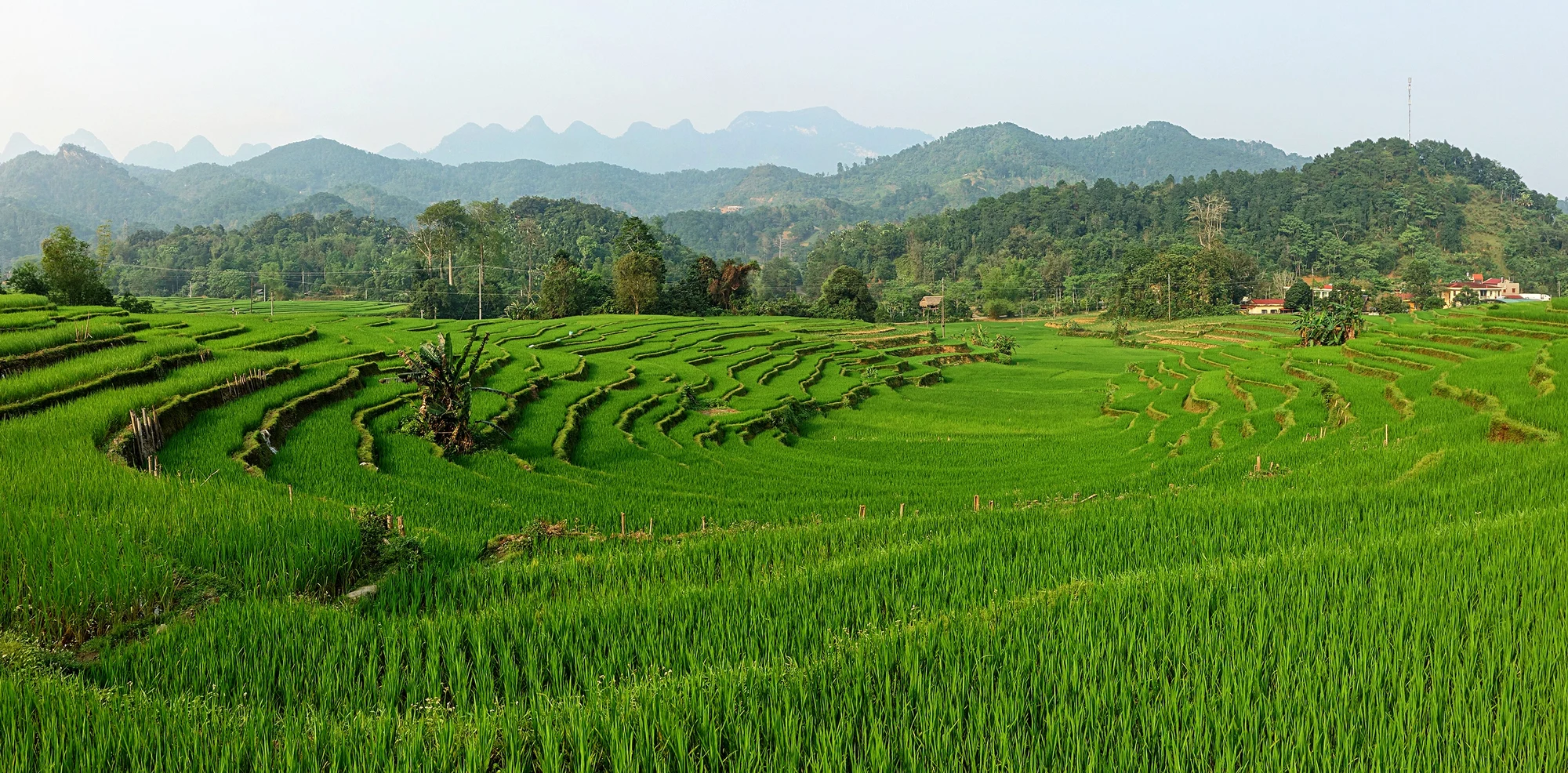
Vietnam Tourism lists Hoang Su Phi among the country’s notable rice-terrace areas, separate from Sapa and other mountain destinations. The appeal is the relationship between slopes, small settlements and cultivated steps, rather than a single monument with one entrance. Choose a base that suits your interests and walking ability. A room facing fields can support a slower stay, but ask about the actual view and access rather than assuming every homestay overlooks a wide valley.
Use autumn as a window, not an appointment
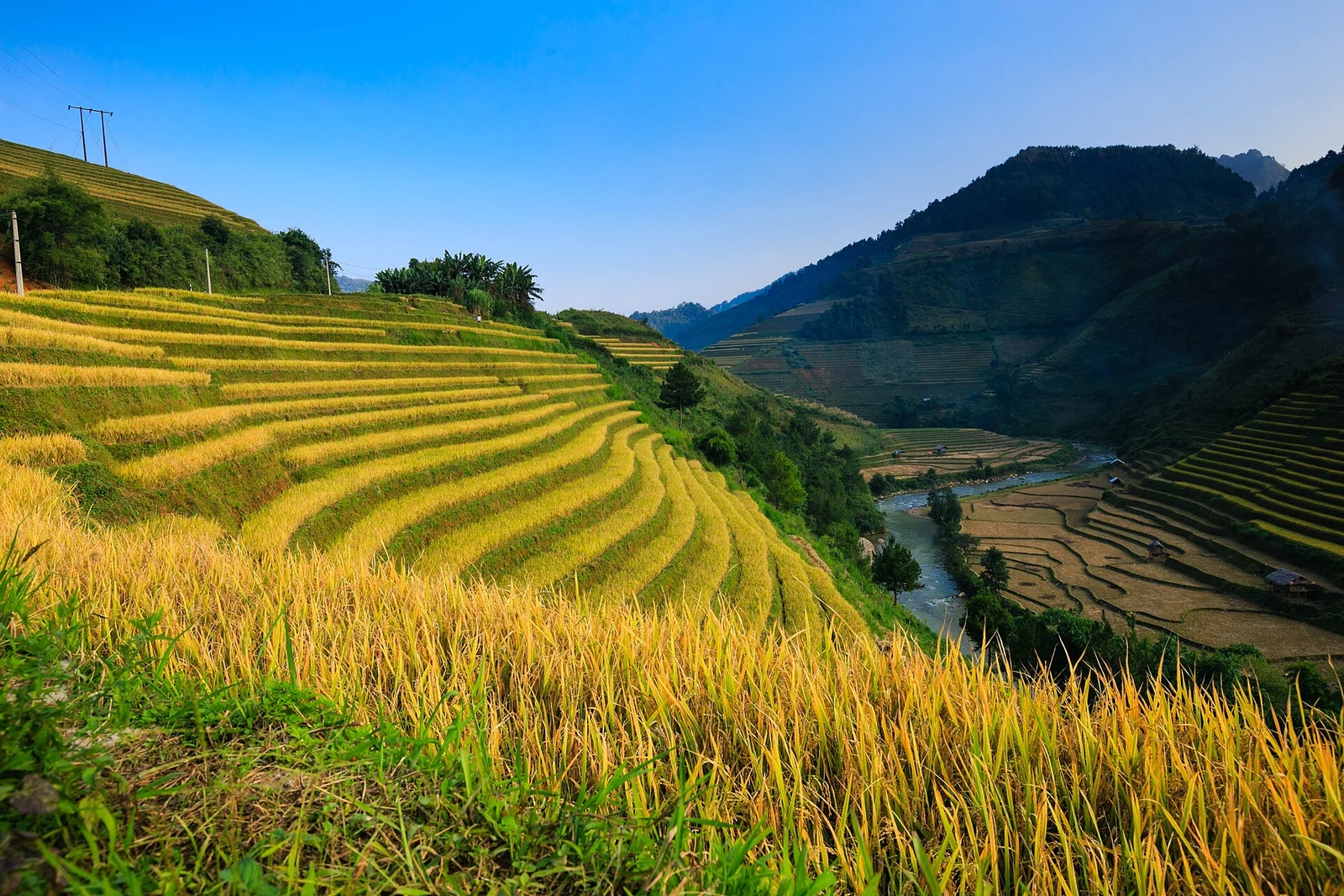
The national tourism early-autumn guide highlights ripening rice across the northern highlands around September and October. The timing is broad: harvest progresses at different speeds, and farmers may cut a field when the crop is ready rather than when visitors prefer. Ask about the valley closest to your accommodation and a second option at a different elevation. This gives a more realistic plan than selecting one famous photograph and expecting its colour on a booked day.
Make it a stay rather than a rushed diversion
Hoang Su Phi and the Dong Van–Meo Vac circuit are different geographical commitments. Before combining them, count actual mountain driving days, not just the straight lines on a small map. A two-night base can allow a recovery afternoon and one full walking day, although the right length depends on your onward route. Keep daylight for the approach roads and avoid trading every quiet hour in a village for another long transfer.
Walk with permission and suitable footing
Terrace edges are working infrastructure, often narrow and uneven. Ask a local host or guide which paths are appropriate, wear shoes with grip and turn back if the route becomes slippery. Do not cross growing rice for a shortcut or obstruct people carrying harvested bundles. Ask before taking close photographs of workers. A guided explanation of irrigation and field maintenance can add more depth than repeatedly posing in someone else’s crop.
Keep a meaningful plan after peak gold
After cutting, terraces still show their structure and the work behind them. Use the visit to understand seasonal change, with a village meal or a shorter walk when conditions do not suit a panorama. If golden rice is the only acceptable outcome, keep dates flexible before making non-changeable bookings. Otherwise, describe the journey honestly to companions as a rural mountain stay with possible harvest scenery, allowing the season to be an advantage rather than a promise.
Questions travellers ask
Can Hoang Su Phi fit into every short Ha Giang loop?
No. Assess the extra road time and reduce other stops if combining them.
Will the fields all be harvested together?
No. Elevation, crop readiness and local work patterns create a patchwork.