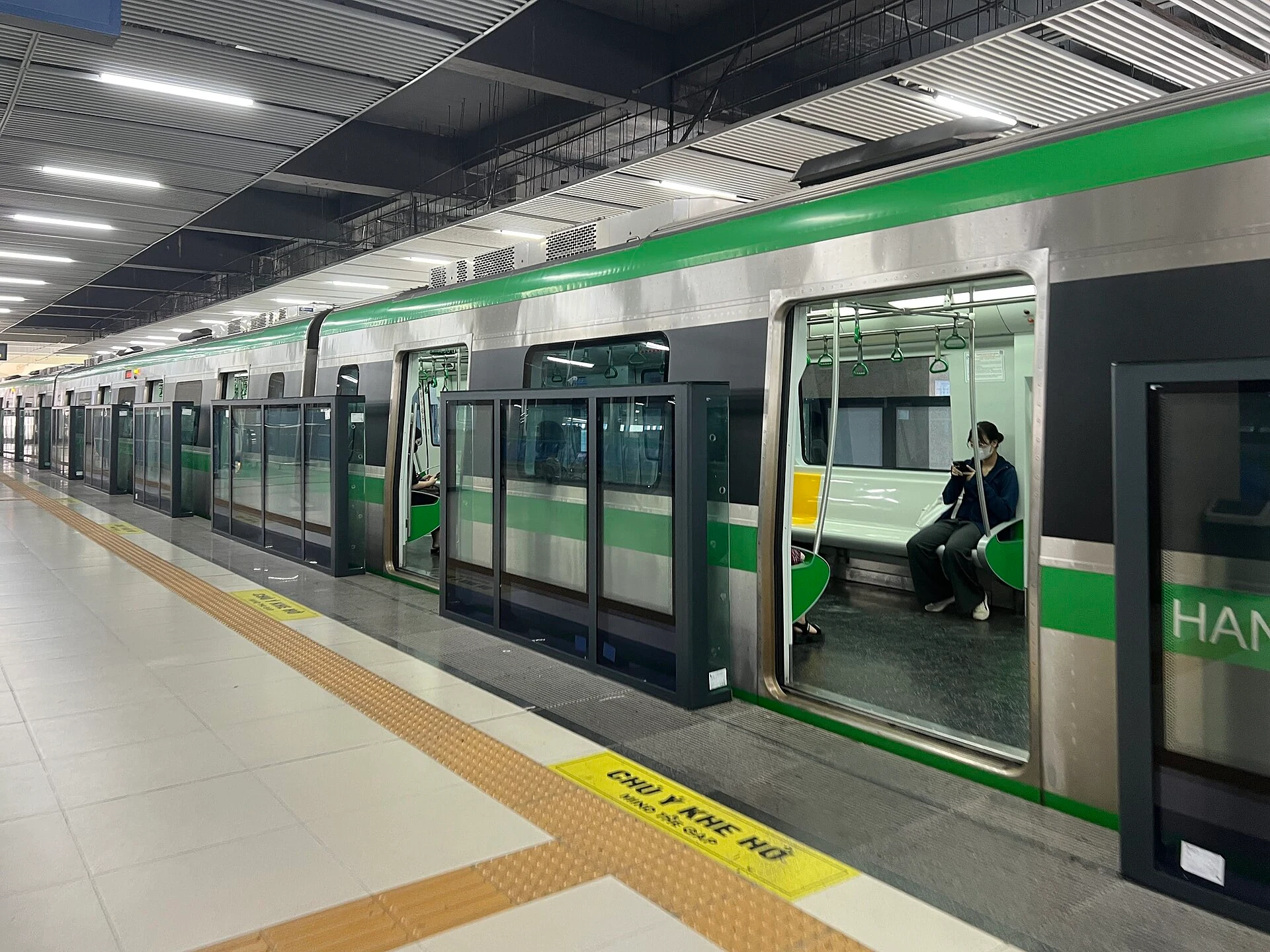
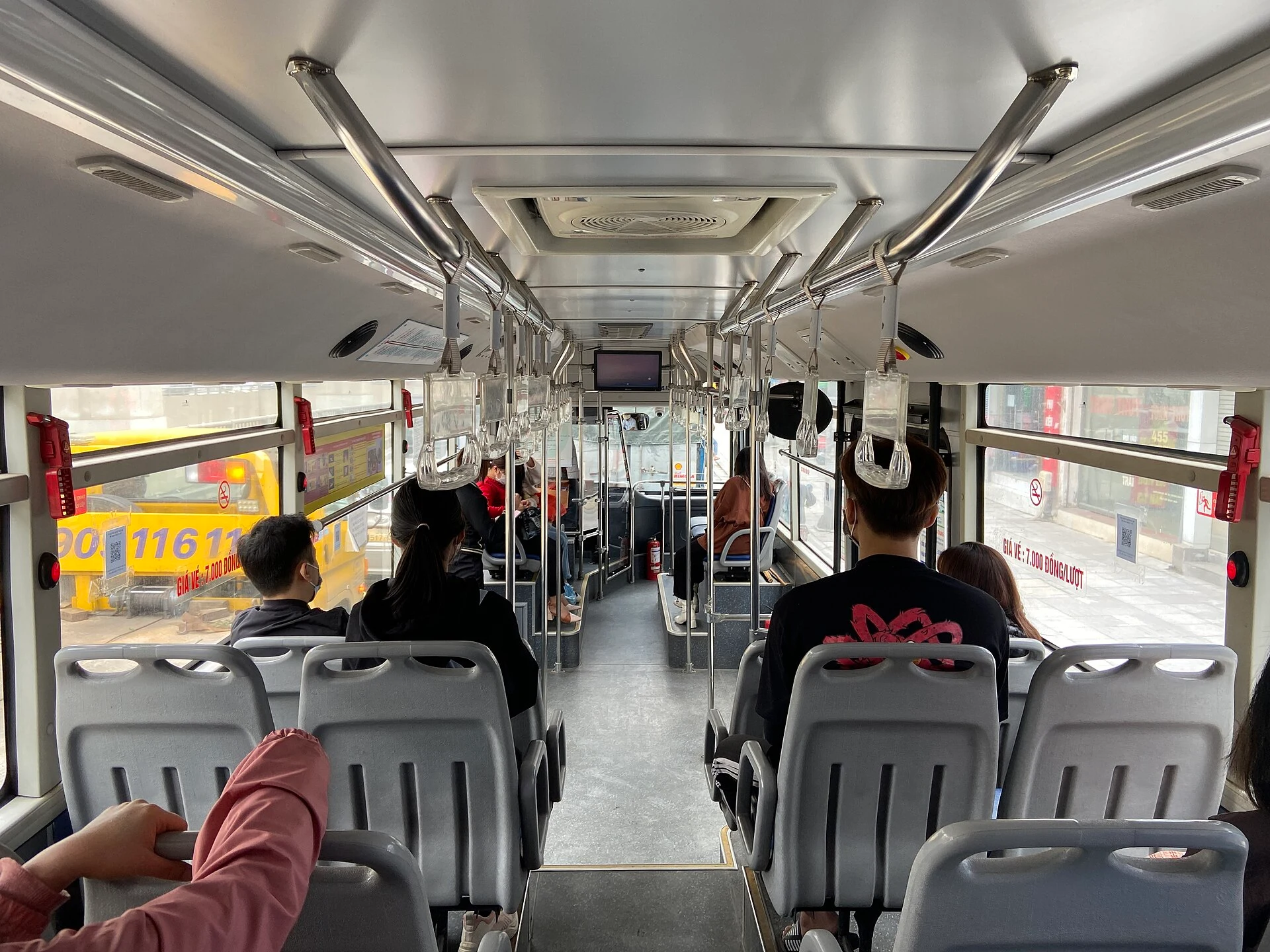
Nhon–Cau Giay metro: understand the operating section
Plan a ride on Hanoi’s Nhon–Cau Giay elevated metro section and distinguish the operating route from the longer Nhon–Hanoi Station project.
 Cat Ba Connect3 min read
The short answer
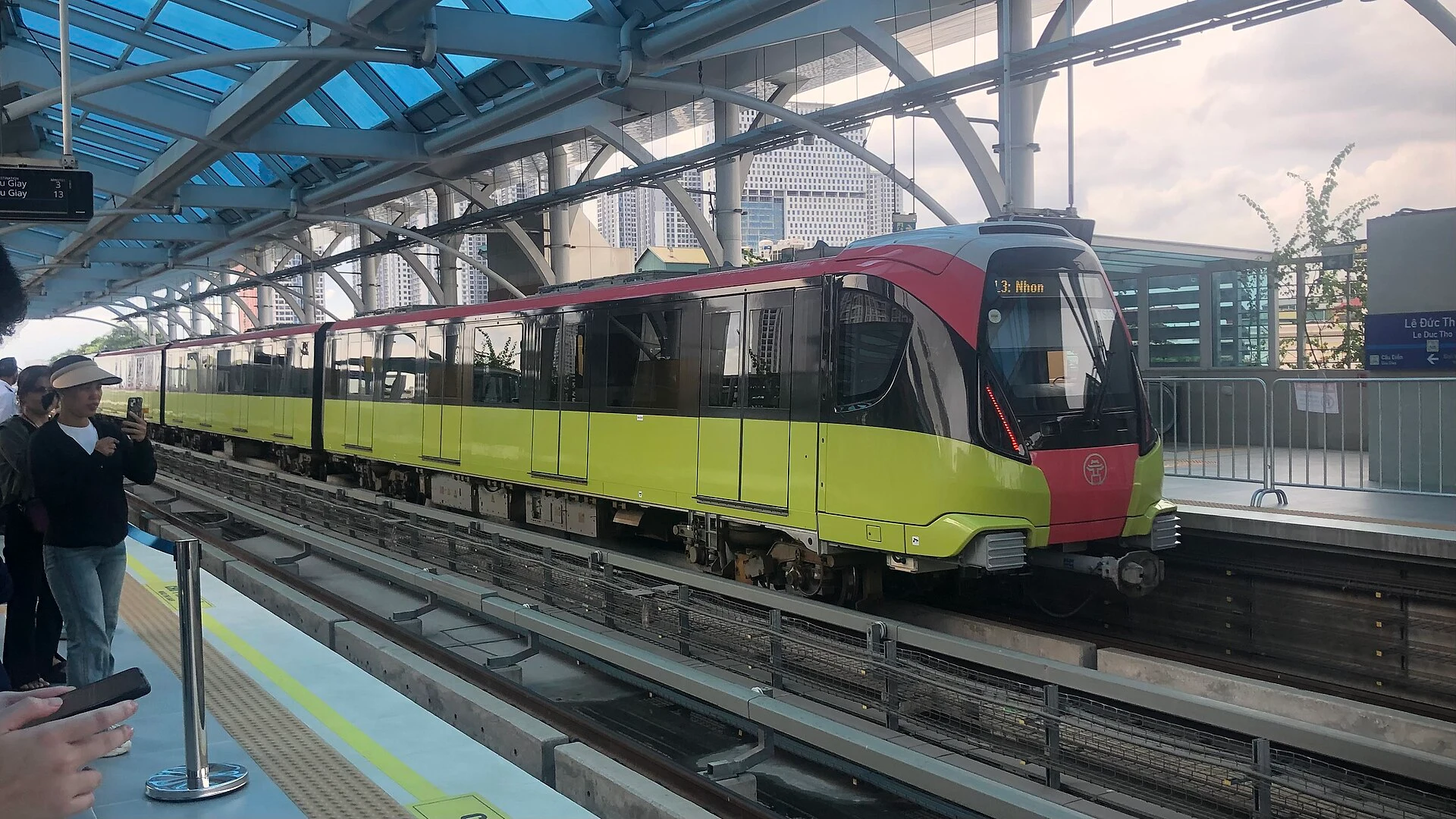
The important distinction is between the name of the full Nhon–Hanoi Station project and the section confirmed in service. The city’s 2026 reporting describes operation on the elevated Nhon–Cau Giay section while underground stations remain a separate construction programme. Check any later opening notice before treating the map as a completed through-route.
Read the project name carefully
A full railway map can include future stations as well as places where passengers can board today. For this line, look for a current operating announcement and the departure board, not simply the words Hanoi Station in a project title. The city’s May 2026 inspection report specifically separates the elevated service from work at the underground stations.
Choose a journey along the western corridor
Nhon, Cau Dien, the university area and Cau Giay form a different urban corridor from the Old Quarter. Work out which station serves your address and how far the final walk is. A route across western Hanoi can be useful without becoming a sightseeing circuit. If both ends of your day are around Hoan Kiem, a metro detour may add unnecessary transfers.
Check tickets and interchange in the present tense
Ticket integration has been changing across Hanoi’s urban rail network. Ask which fare medium works for your particular journey and whether any transfer requires leaving the paid area. Do not infer a seamless interchange from a line crossing on a network drawing. If travelling with someone unfamiliar with transit, agree where to meet if one person passes the gate first.
Build the street connection into your time
The rail journey is only one part of reaching a museum, university or hotel. Station entrances can sit on a different side of a major road from your destination. Use marked crossings and check the walking route rather than measuring a straight line on a map. When rain is likely, allow time to move between street level and the platform comfortably.
Use the line as local transport, not a promise about future travel
An operating elevated train can give an interesting view of everyday Hanoi, but it is not evidence that every planned underground stop has opened. Before relying on rail for a timed national-train departure, inspect the latest operator notice and plan a separate transfer if necessary. This keeps a useful city ride from becoming a missed onward connection.
When someone recommends a connection at Hanoi Station, ask whether they mean an operating passenger route or a future project connection. Those are different answers even when both use the same line name. A hotel recommendation should be checked against a current service notice before it becomes the basis of a tightly timed departure plan.
Questions travellers ask
Does the project name mean a direct train to Hanoi Railway Station?
No. Confirm the section currently carrying passengers. The source reviewed here distinguishes the Nhon–Cau Giay service from construction on the underground section.
Should I use this line from the Old Quarter?
Only if the station corridor fits your destination. Compare the complete door-to-door route rather than adding a metro journey merely because it appears on a map.