Hanoi city buses: plan a useful first ride
Plan your first Hanoi city bus ride with the correct stop, direction and onward walk, using current operator information instead of an old route map.
 Cat Ba Connect3 min read
The short answer
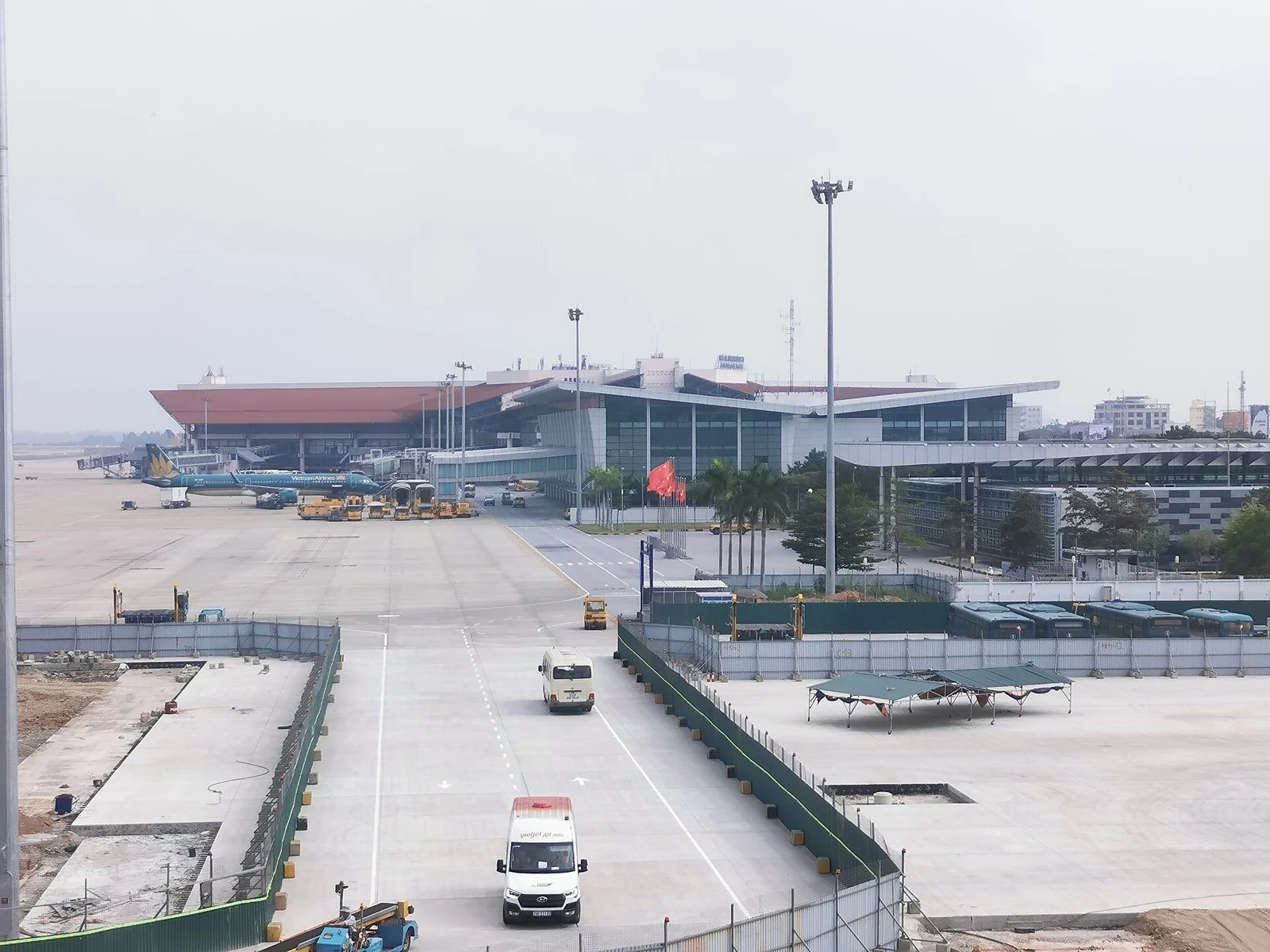
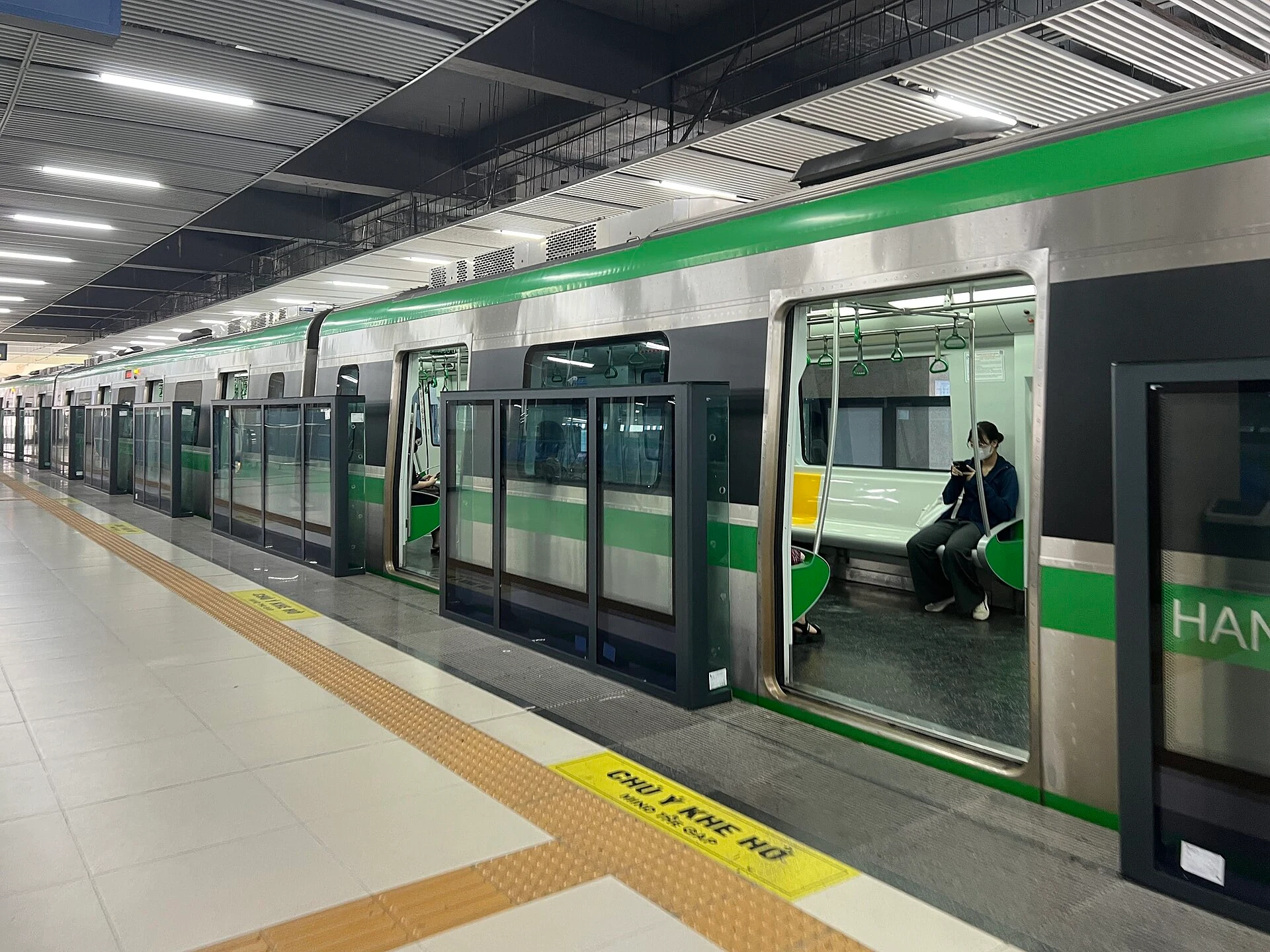
A city bus is useful when its stops match your journey, not simply because the route passes a famous district. Check the current route in both directions, identify the boarding stop and decide how to complete the final walk. Airport services, ordinary city buses and metro trains are different products.
Begin with one realistic journey
Choose a straightforward trip between two places already in your day, rather than attempting several unfamiliar changes at once. Write the Vietnamese destination name and the stop nearest it. Streets around the Old Quarter can be busy and the nearest stop may not be beside a hotel door. A short walk at the far end is part of the journey, not evidence that the bus has taken a wrong turn.
Check the direction as well as the route number
A route number alone is incomplete information: you also need the direction shown on the vehicle. Look at the sequence of stops before boarding, especially where one-way streets separate the two directions. Confirm the destination with staff if the display is unclear. A stop on the opposite pavement may serve a different street pattern rather than an exact mirror of the journey you made earlier.
Use the operator for changing details
Transerco publishes passenger support channels, while the airport maintains separate information on airport links. Use the relevant source for the service you intend to take. Fare tables, payment methods and temporary diversions can change. Keep a small payment option available and ask how to buy the correct ticket before assuming that a metro card, airport ticket or contactless bank card will work on every bus.
Make boarding manageable
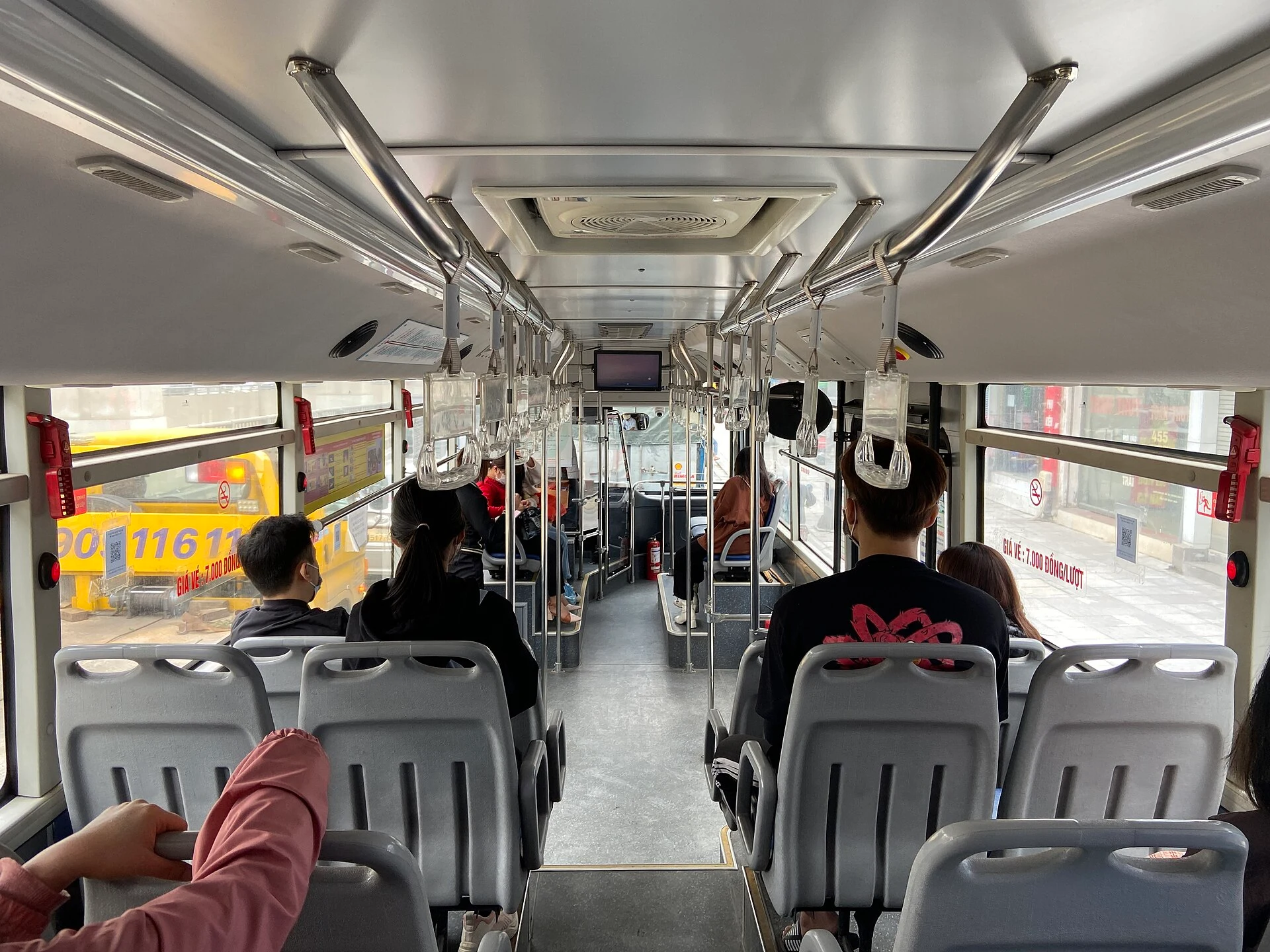
Let passengers finish alighting, keep your bag close and move away from the doorway when space allows. Decide your stop before the bus reaches it; staring at a moving map only after passing the landmark makes a simple ride stressful. If you need a step-free journey or have a large suitcase, confirm the vehicle and stop arrangement first. General accessibility labels do not describe every individual boarding situation.
Keep an alternative for a timed connection
A city bus can be a satisfying way to see Hanoi at street level, but traffic and waiting remain part of the trip. Do not spend the last available minutes experimenting with a new route before a flight or national train. For a fixed departure, calculate the complete transfer and choose a fallback you can actually arrange if the bus is delayed.
For a low-pressure introduction, pick a destination where arriving a little later will not disrupt a booking. That leaves time to learn the stop layout and ask a question without a departure deadline. Once you understand that one journey, the bus network becomes easier to use for another part of the city.
Questions travellers ask
Is every Hanoi bus an airport bus?
No. Check the destination and route. Noi Bai publishes a specific list of airport services; an ordinary urban route may never enter the airport.
Where can I ask about a confusing route?
Use the operator’s passenger-support channels and current stop information. Save the Vietnamese address of your destination so staff can help identify the correct direction.