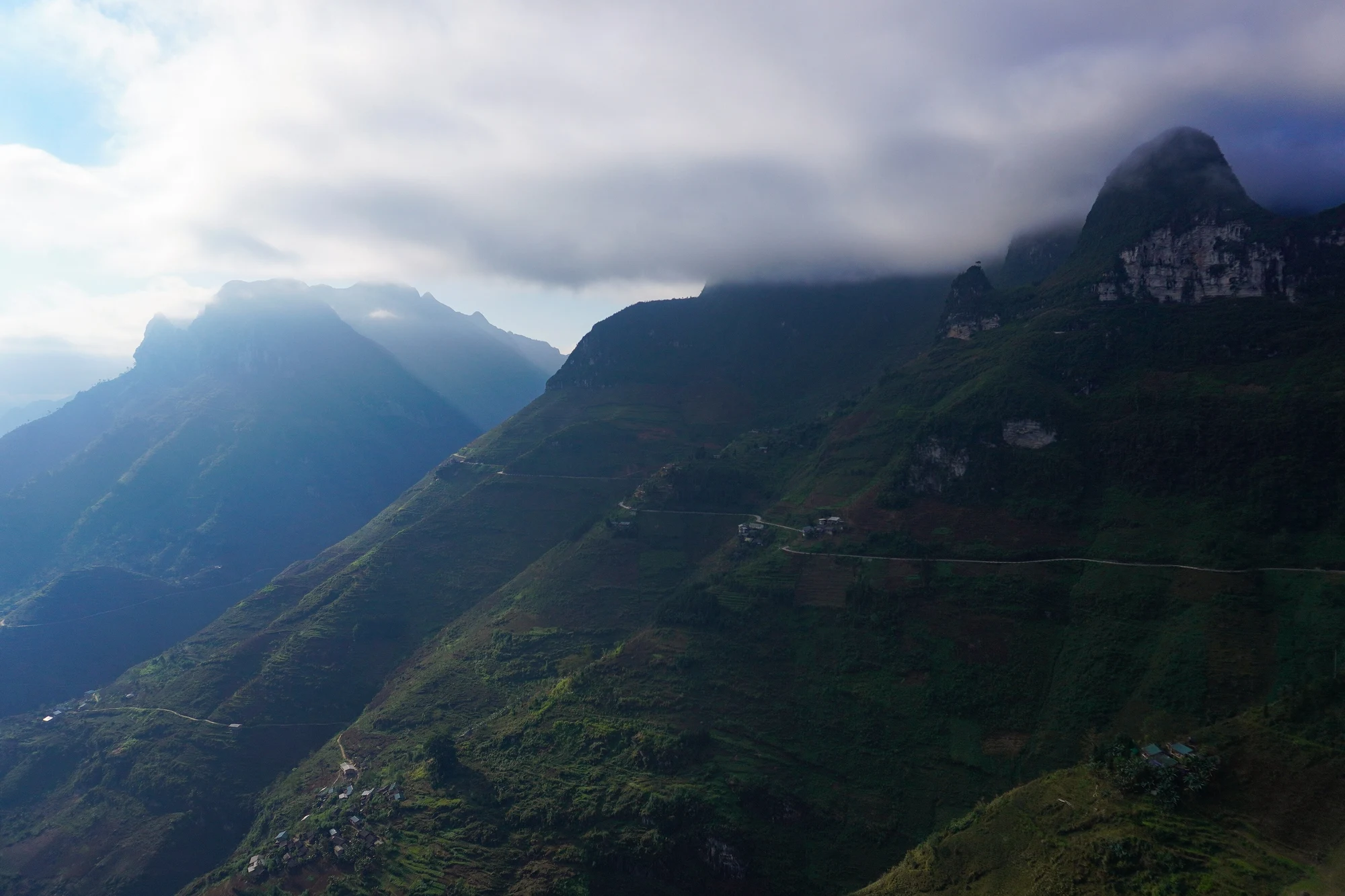
When to Visit Ha Giang: Choose the Landscape You Want to See
Choose a Ha Giang travel window around the scenery you value, then check the actual route, local observations and changing mountain conditions.
 Cat Ba Connect3 min read
The short answer
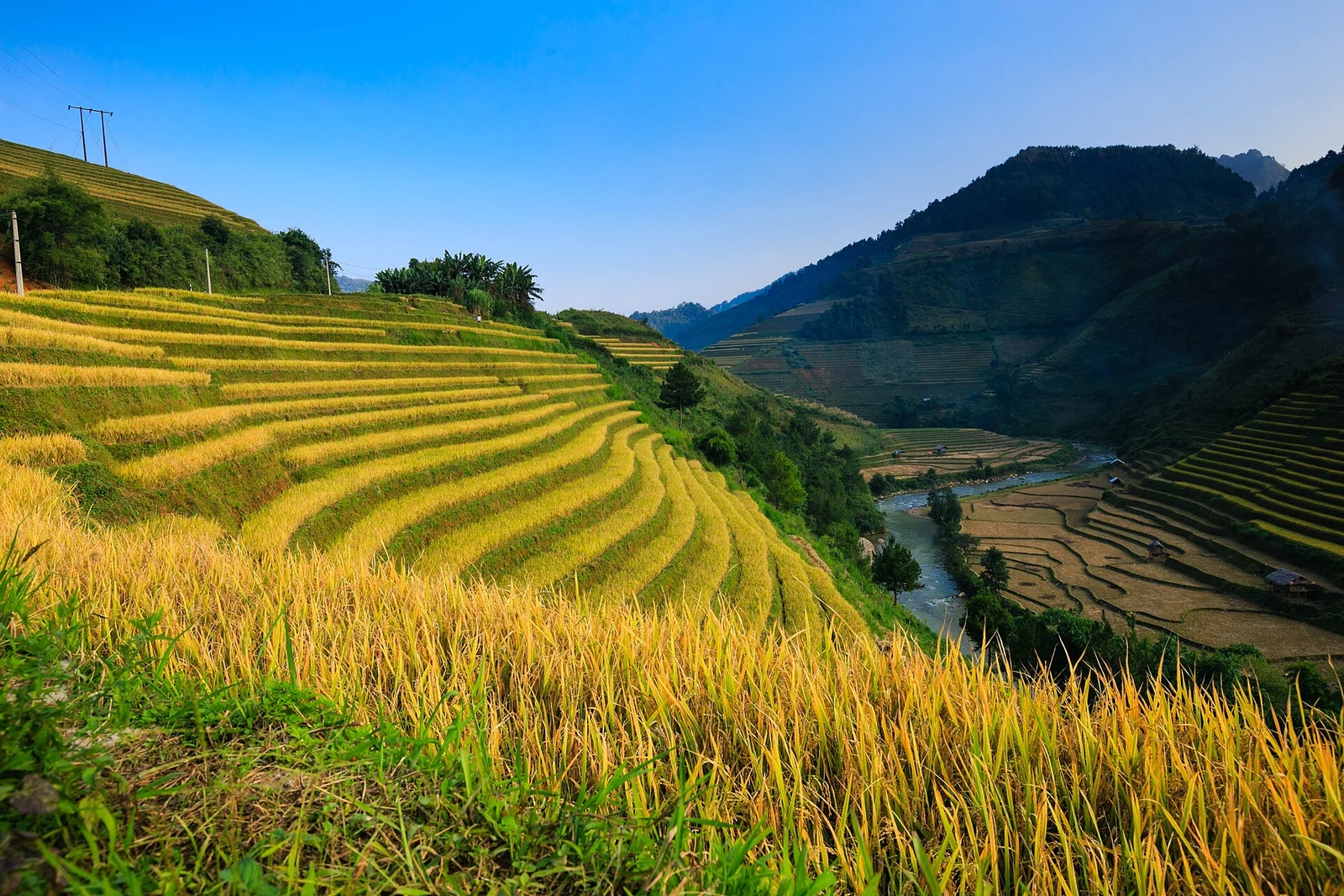
Choose your Ha Giang travel period around the landscape and conditions you value: spring growth, autumn harvest or flowers, winter atmosphere, or summer greenery. Seasonal descriptions are broad patterns, not promises of clear skies or a particular field in bloom.
Start with the subject of the trip
Flipside's seasonal notes distinguish spring, summer, autumn and winter rather than describing one perfect month. That is useful because travellers want different things. A photographer seeking flowers, someone interested in farming and someone wanting a cool road trip may choose differently. Write down the experience you most value, then check whether your specific route passes the right landscapes during that period.
Spring and autumn are broad windows
Operator descriptions often favour spring and autumn for comfortable travel. However, a general seasonal recommendation cannot establish conditions on a particular departure. Flowering and harvest vary by place and year. Ask the local organiser what they are currently seeing near the actual overnight stops, rather than assuming a promotional image represents every valley along the loop at the same time.
Summer is more than a green photograph
The wetter season can produce vivid vegetation, but road and activity plans may need adjustment. Avoid choosing solely because a waterfall looks impressive in a picture. Ask how the itinerary changes when local conditions require it and which activities are genuinely optional. The point is planning flexibility, not treating any transport choice as a guarantee that weather will not affect the trip.
Winter changes comfort and visibility
Flipside warns that the high route is cold in winter; Motorventures' clothing guide stresses additional insulation. The landscape may still interest you, particularly if you enjoy a quieter atmosphere. Decide whether cold road stages and potentially limited visibility match your expectations. Check the accommodation as well as the outdoor packing list, because the evening setting affects comfort after a long day outside.
Use current observations near departure
A seasonal article helps choose a rough travel window. The final route should rely on recent local information and the forecast, with room to postpone a viewpoint or remove an activity. Avoid planning a tight onward connection that leaves no room for a changed return time. A satisfying visit comes from matching expectations to the actual trip rather than trying to reproduce a calendar-perfect photograph.
Distinguish fields from the whole region
A season name can hide large local differences. The rice landscape that interests you may be in a valley the chosen loop does not visit, while another part of Ha Giang is dominated by rocky fields and villages. Ask the operator which specific area supports the photograph or description you have in mind. That question is more useful than asking whether the entire region is golden, flowering or green during a particular week. Route selection and season selection should happen together.
Questions travellers ask
Can I guarantee buckwheat flowers by choosing November?
No. Flowering depends on location and the year. Ask about current conditions along your route.
Is Ha Giang a tropical winter destination?
Higher areas can be cold. Plan clothing and accommodation expectations accordingly.