Separate tickets through Vietnam: assess the self-transfer risk
Check separate-ticket connections through Vietnam by baggage, documents, terminal changes and ticket protection rather than a short timetable gap.
 Cat Ba Connect3 min read
The short answer
Two flights that fit on a search screen are not necessarily one protected connection. Before buying separate tickets through Vietnam, ask who handles a missed onward flight, where baggage must be collected and whether you must enter the country to check in again. Airline connecting services have defined eligibility; they should not be assumed for every pair of bookings. Compare the complete self-transfer with a through itinerary before deciding that a lower fare saves money.
Ask who owns the connection
Start with the booking structure, not the size of the fare difference. Ask the seller whether the flights form a single supported connection or are independently issued tickets. Request the specific missed-connection arrangement if the first flight changes or arrives late. A shared airline name, one payment screen or a convenient-looking gap does not by itself answer that question. Keep the seller’s explanation with the booking conditions so the decision rests on an identifiable service.
Establish the baggage journey
Vietjet describes an optional connecting service for eligible separate international tickets on its own operated flights. That specific facility demonstrates why eligibility matters: it is not a promise for arbitrary airline combinations. Before departure, establish whether a through bag tag will be issued and where collection is still necessary. If collection and fresh check-in are required, include the baggage hall and the next carrier’s bag-drop deadline in the timeline, even when you are carrying only one small suitcase.
Check whether the transfer crosses the border
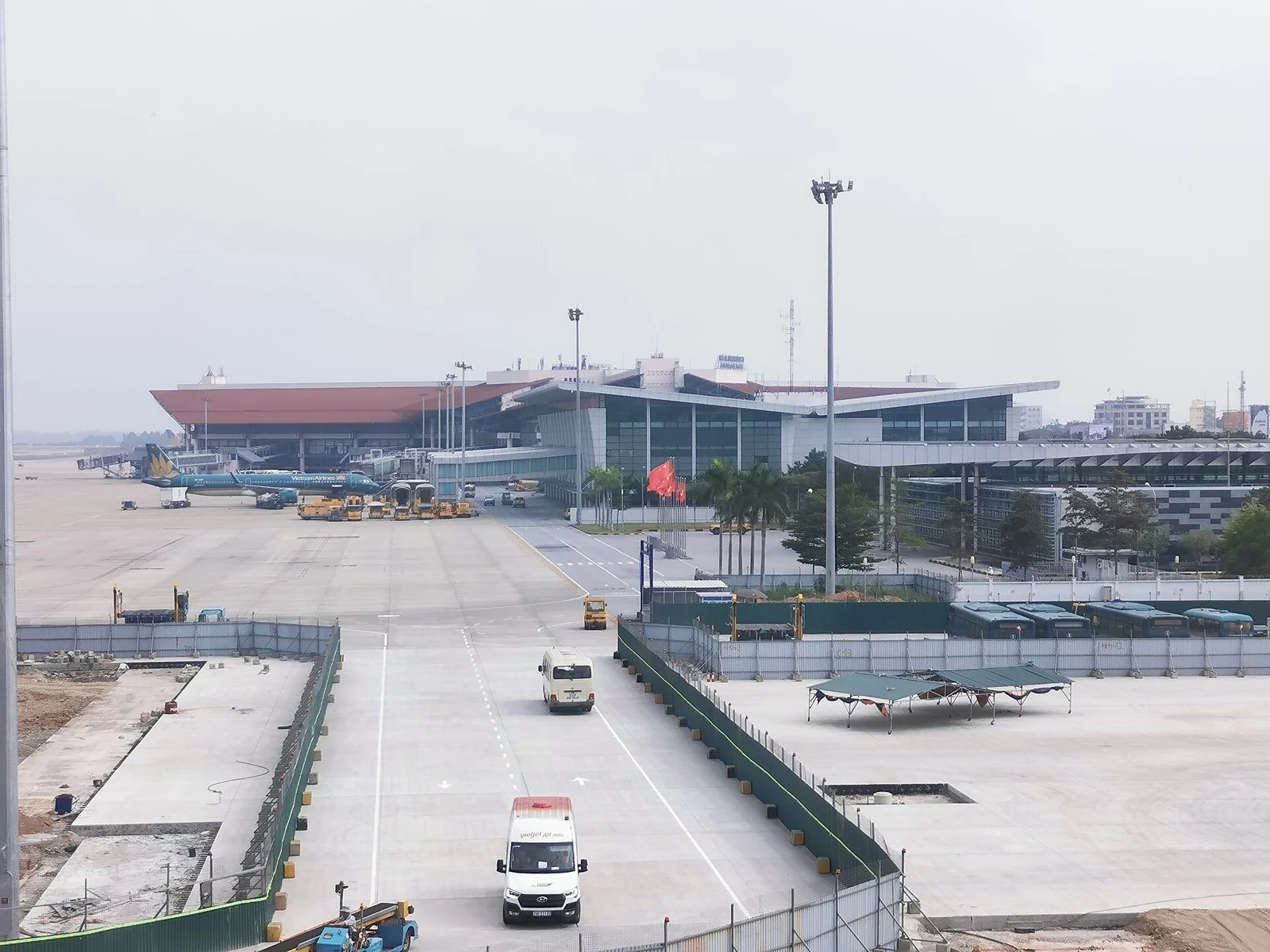
A self-transfer may require access to the public arrivals area and a departure counter, so check the document requirements for the actual process. Do not assume that calling the journey transit means you can remain airside. At Noi Bai, the airport describes international and domestic terminals separately and requires arrival procedures for international-to-domestic transfers. The appropriate document check depends on the traveler and itinerary; an airside description for another passenger does not establish your eligibility.
Build time around actual deadlines
Work backwards from the second airline’s check-in or baggage-drop closure, then add each required arrival step and terminal journey. Avoid inventing a universal safe interval. An itinerary involving assistance, an airport change or a final departure of the day has different consequences from a simple connection with several alternatives later. As editorial guidance, compare a longer interval or an overnight where missing the next flight would unravel the rest of the holiday.
Compare the cost of recovery
Include the possibility of a replacement ticket, an extra room and changed ground transport when judging the cheaper combination. These are planning scenarios, not a prediction that the flight will be delayed. Read any insurance or seller guarantee on its own terms rather than assuming it covers every missed flight. Choose the arrangement whose responsibilities you understand, and leave the airport contact details accessible if a problem occurs while you are between two independently managed bookings.
Questions travellers ask
Does one payment guarantee connection protection?
No. Ask how the tickets are issued and what missed-connection service is included.
Is there one safe interval for every self-transfer?
No. Documents, bags, terminals and ticket deadlines change the calculation.