UNESCO labels in Vietnam: World Heritage, geoparks and Creative Cities
Read Vietnam’s UNESCO labels accurately, distinguish World Heritage, Global Geoparks and Creative Cities, and choose visits from the actual named place.
 Cat Ba Connect3 min read
The short answer
UNESCO World Heritage Sites, Global Geoparks and Creative Cities are different programmes. A World Heritage listing concerns a defined property, a geopark connects geological heritage with education and sustainable development, and a Creative City designation concerns a city’s creative field and commitments. None is a universal admission ticket or a guarantee of a particular visitor service. Read the exact programme and named place before comparing tours, especially when several recognitions appear together in one promotional description.
Read the exact World Heritage property
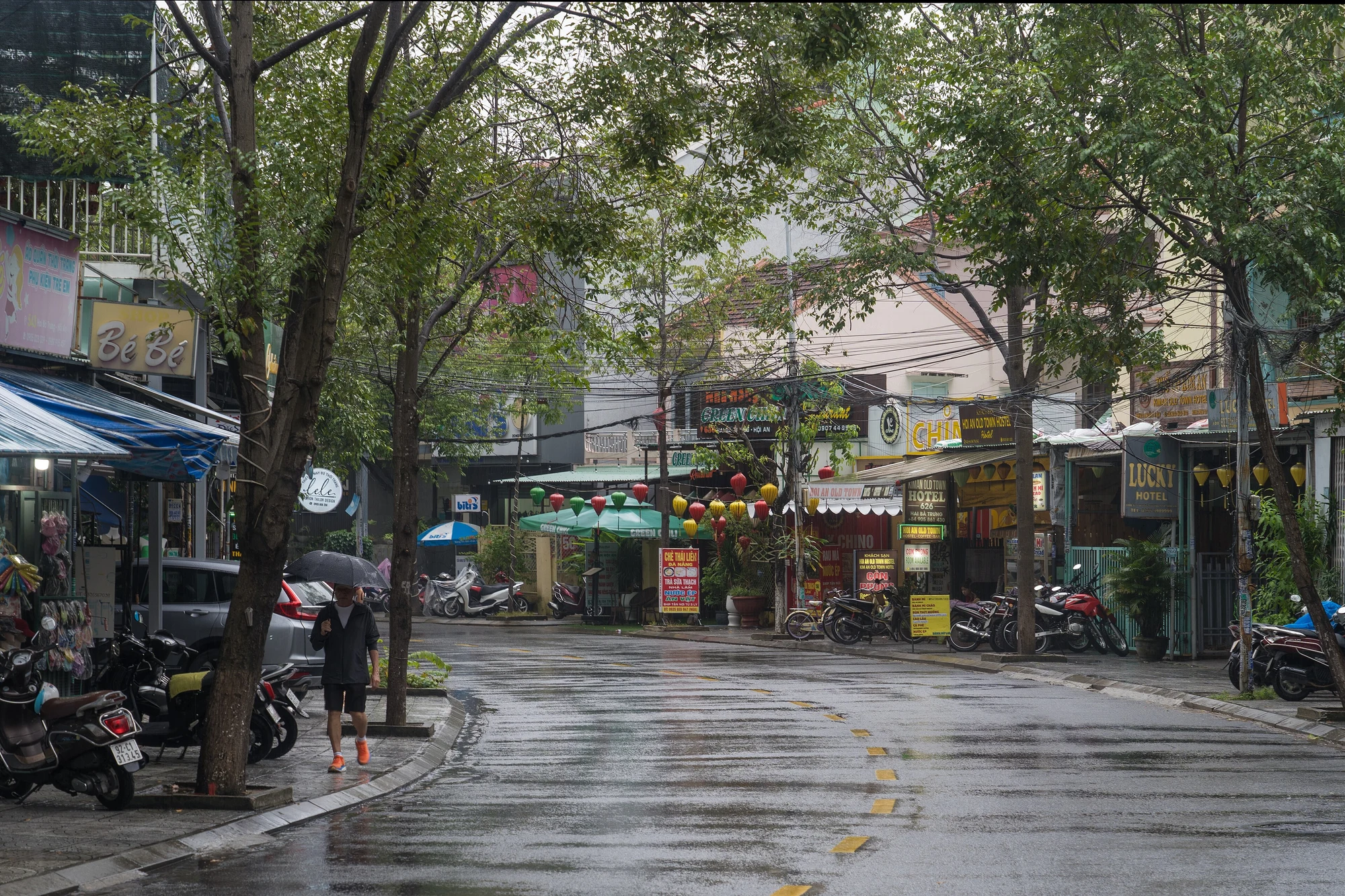
UNESCO’s Hoi An entry identifies the Ancient Town as a defined cultural property and explains why its trading-port fabric matters. That is more precise than saying every place in the surrounding city is World Heritage. Check the property name and what the proposed tour actually visits. A route can pass near a recognised site without including its interpretation or historic buildings. Ask for the named stops and admission arrangements rather than assuming the label alone describes a complete heritage experience.
Understand what a Global Geopark connects
UNESCO’s geopark guidance describes a geographic area managed around significant geological heritage, education, protection and sustainable development. The experience can therefore extend beyond a single scenic viewpoint to landscapes, communities and interpretation. Choose a route that explains those relationships if geology interests you. Do not assume the geopark name means one enclosed park with a single gate, one uniform ticket or permission to enter every cave and village. Individual locations still need their own visitor and access information.
Read a Creative City by its field
Ho Chi Minh City’s UNESCO profile is in Film, connecting creative work and urban development. Other cities can participate through other fields. The designation is not the same as a World Heritage inscription and does not make every creative venue a protected monument. For a visitor, ask what current programme expresses the field: a screening, workshop, exhibition or community activity. Check its actual date and access rather than expecting the network title to function as a permanent festival schedule.
Compare the service rather than the number of labels
A tour advertising several UNESCO connections may still spend most of its time in transport or at commercial stops. Ask how much time is allocated to the recognised place and what interpretation is included. Compare guide language, specific locations, admissions and the pace of the day. A shorter visit with clear explanation may suit you better than a long list of labels. No ranking follows automatically from the programme type, and a place without a UNESCO title can still be culturally valuable.
Check current visitor information separately
UNESCO explains the recognition and its scope, while the responsible local operator supplies practical opening and admission details. Keep those source roles separate. A listing’s inscription year does not confirm today’s access, and a promotional photo does not establish that every part of a property is open. Before a special-interest visit, ask about the exact route, restrictions and interpretation you need. Accurate labels help you choose what to learn; current local arrangements determine how the visit can actually happen.
Questions travellers ask
Is a Creative City the same as a World Heritage Site?
No. They are different UNESCO programmes with different scopes.
Does a geopark label give access to every location inside it?
No. Check individual site access and visitor conditions.