Tan Son Nhat pre-arrival pilot: what changed in April 2026
Understand Tan Son Nhat’s April 2026 pre-arrival pilot, later official clarification, the correct portal and the documents still needed at immigration.
 Cat Ba Connect3 min read
The short answer
Tan Son Nhat began piloting Vietnam’s Pre-arrival Information system on 15 April 2026. The Ministry of Public Security’s 13 May explanation calls the pilot optional, and Vietnam’s embassy in India repeated that clarification on 21 May. Complete the official declaration when available, save its QR code and still carry your passport and appropriate entry permission. A pre-arrival submission does not apply for, replace or extend a visa.
Read the pilot’s actual starting point
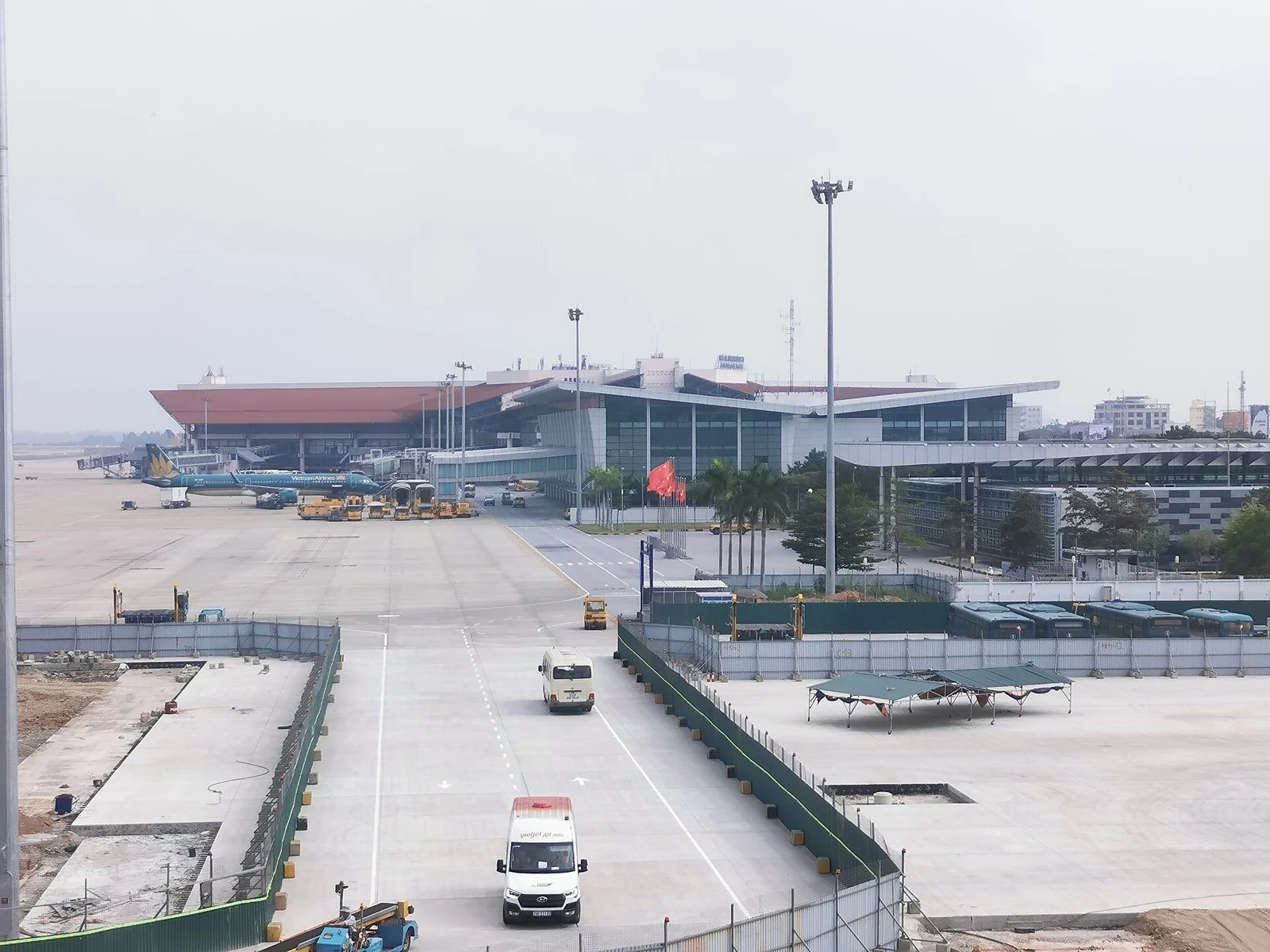
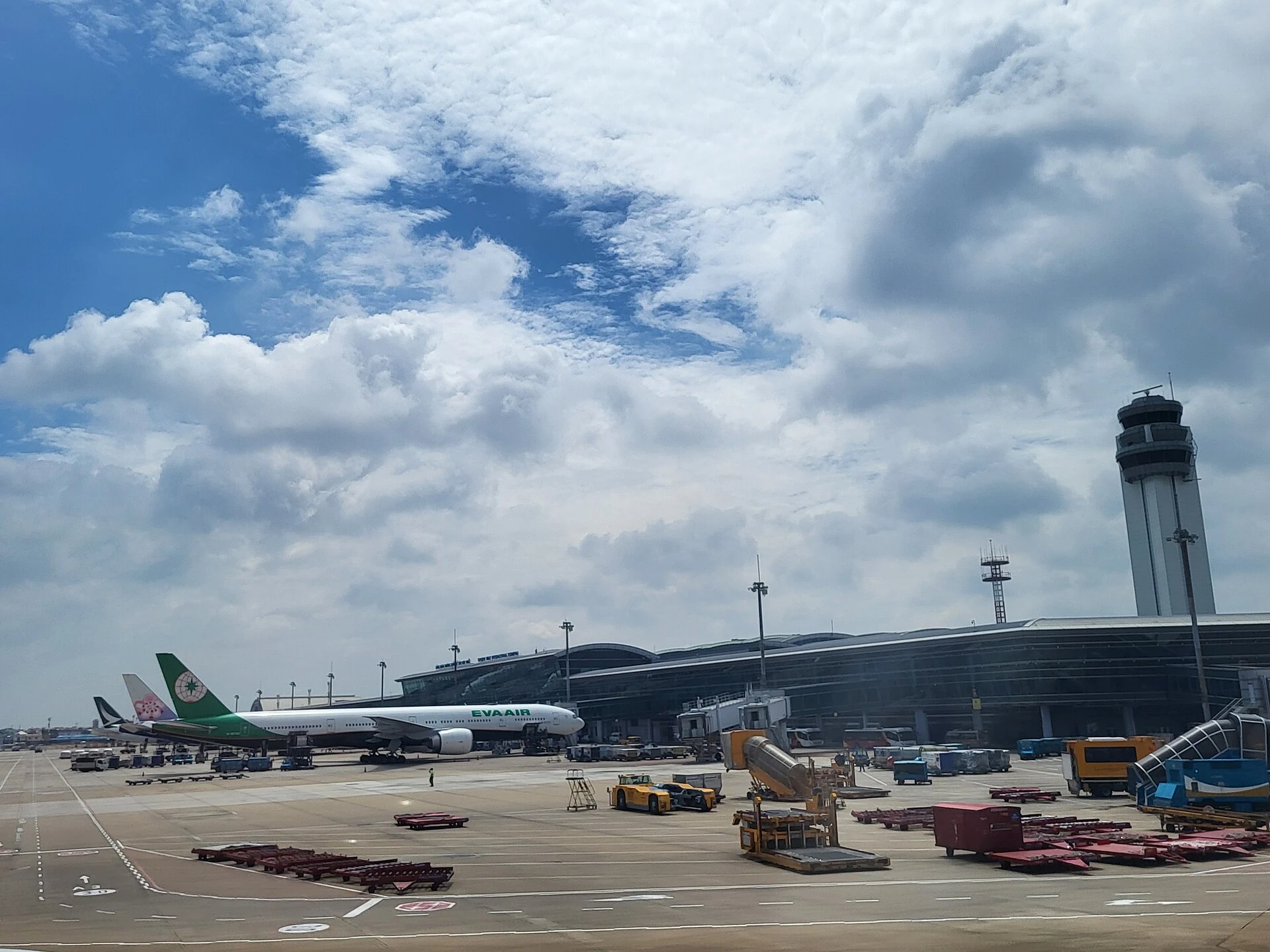
The Ministry of Public Security dates the Tan Son Nhat pilot to 15 April 2026. This matters because early notices about a new arrival procedure circulated before the ministry published its fuller explanation. For a journey through Ho Chi Minh City, identify the international airport where you actually pass immigration. A domestic flight arriving later at another city is a different stage of the same trip, rather than a second international entry.
Reconcile conflicting instructions
Some April consular notices used mandatory language. The ministry’s May explanation and the Vietnamese embassy’s 21 May notice instead describe a voluntary pilot. Report that difference honestly when planning with another traveller; do not turn the oldest search result into a nationwide rule. The practical response is to complete the official form where possible and follow current airport instructions, rather than purchase an advertised exemption from a supposed requirement.
Keep the submission tied to the arriving flight
Use the official prearrival.immigration.gov.vn address and check the flight that brings you into Vietnam. Keep the booking reference and operating flight details nearby, especially on a codeshare itinerary. The ministry identifies flight-number and Passenger Name Record errors among unsuccessful declarations. Read the confirmation before saving it; a mistyped itinerary is not improved by taking several screenshots of the same mistake or paying an unrelated intermediary to repeat it.
Carry a separate entry-document set
Place the QR confirmation alongside the passport and visa or exemption evidence that applies to your own passport. Keep an accessible offline copy if your phone cannot connect after landing. The PAI system collects travel information; it does not decide a separate visa application. Someone travelling on an e-visa should therefore verify the issued document independently, including identity details and its dates, before relying on the arrival declaration as part of a boarding checklist.
Allow time without buying a guarantee
Finish the declaration within the official submission window and retain the confirmation, but leave ordinary time for airport checks. A completed form cannot promise an empty queue or a particular officer’s processing time. If a website requests card details for an arrival-card service, check its identity before proceeding: the ministry specifically warns of impersonation sites. Use official support for a failed submission, and keep the actual error message rather than replacing factual details with guesses.
Questions travellers ask
Is the QR code my Vietnam visa?
No. PAI is a travel-information declaration, separate from the visa or exemption needed for your passport.
Was the April pilot described consistently?
No. Later Vietnamese official explanations describe it as voluntary; read those alongside earlier mandatory wording.