Hanoi museum accessibility: ask about the route you need
Prepare a Hanoi museum visit by asking specific accessibility questions about entrances, floors, seating and sensory needs instead of trusting a broad label.
 Cat Ba Connect3 min read
The short answer
For a Hanoi museum visit, describe the assistance and route you need rather than asking only whether the building is accessible. Check the entrance, movement between floors, toilets, seating, guide format and any temporary restriction for the actual visit. Use the museum’s own contact and current visitor information; this guide does not certify a particular ramp or lift as available. UN Tourism’s accessibility guidance supports information that addresses specific needs instead of one broad promise.
Describe the actual visit you want
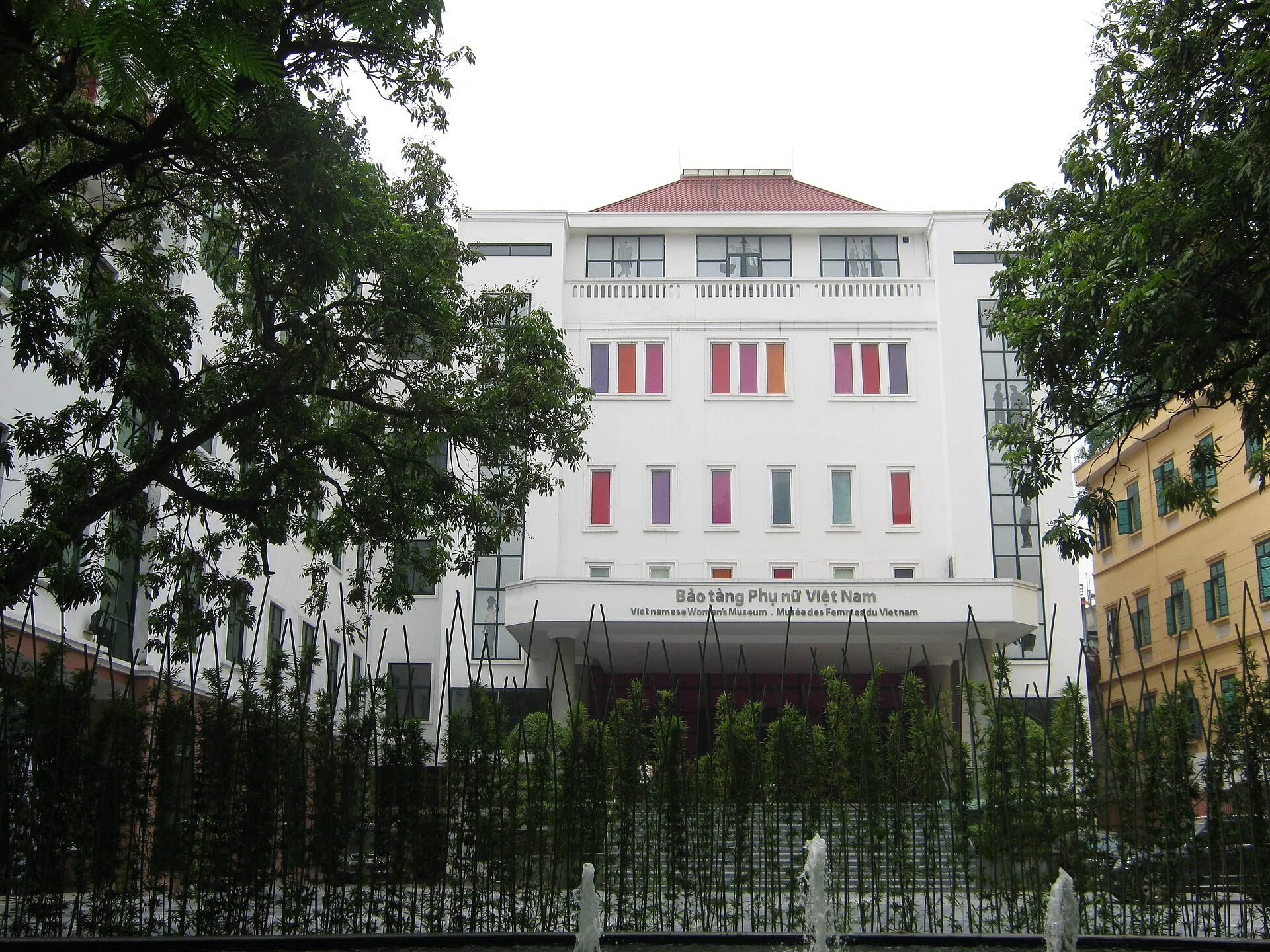
Tell the museum which day, exhibitions and approximate duration you have in mind, along with the assistance needed. Someone using a wheelchair, someone avoiding stairs and someone needing a quieter environment may ask different questions. The Vietnamese Women’s Museum publishes its own visitor contact route, which is a better starting point than an undated review. Give enough practical detail for staff to answer without sending unnecessary medical history or assuming that one accessibility label describes everyone’s experience.
Ask about the complete route
Check the route from the vehicle drop-off to the entrance, ticket desk, chosen galleries and exit. A step-free entrance alone does not answer whether every intended floor is reachable. Ask about the current operation of any lift or alternative route and whether staff assistance must be arranged. If the visit is guided, confirm that the group’s route matches your needs. This turns a vague assurance into information you can compare with the actual exhibition you want to see.
Include comfort and sensory information
Ask about available seating, expected standing time, toilet access and the format of interpretation. For sensory needs, ask whether a session includes loud sound, darkened rooms or another feature relevant to you, without assuming every exhibition has the same conditions. A companion’s ability to help should be discussed with them rather than presumed. If information is unavailable, identify which uncertainty would materially affect the visit and ask for a staff contact who can check the specific area.
Confirm any assistance before reserving transport
Once the museum describes the route, agree on any assistance, meeting point or suitable session in advance. Share only the details a driver needs to reach the confirmed entrance and allow time for the arrival process. Avoid an itinerary that depends on staff carrying a person or mobility device when that arrangement has never been discussed. If a temporary restriction prevents the intended route, ask whether another gallery, time or visit format would provide a worthwhile alternative on its own terms.
Recheck the relevant details shortly before visiting
An access answer is most useful when tied to a particular date and route. Reconfirm any essential lift, booked assistance or special session shortly before the visit, especially if the earlier answer was tentative. Keep the museum’s reply with the itinerary and let companions know the plan. This is a practical enquiry process, not a blanket claim that Hanoi museums are either fully accessible or unsuitable. A clear account of your needs and the current route supports a more reliable cultural day.
Questions travellers ask
Does this guide certify a working lift at a specific museum?
No. Ask the museum about the actual route and current operation.
Is asking only “is it accessible?” enough?
Specific questions about the route and assistance produce a more useful answer.