Da Nang pork rice-paper rolls: why the dip matters
Learn how Da Nang pork rice-paper rolls bring mild ingredients together with mắm nêm, and plan an unhurried lunch after exploring local markets.
 Cat Ba Connect3 min read
The short answer
Bánh tráng cuốn thịt heo combines sliced pork, rice paper and greenery, with mắm nêm as a defining accompaniment in Da Nang. It is a self-assembled meal rather than a ready-made fried spring roll. The pork, wrapper and dip need reading together: none alone explains the contrast between a mild mouthful and a strongly flavoured sauce.
A platter with a clear centre
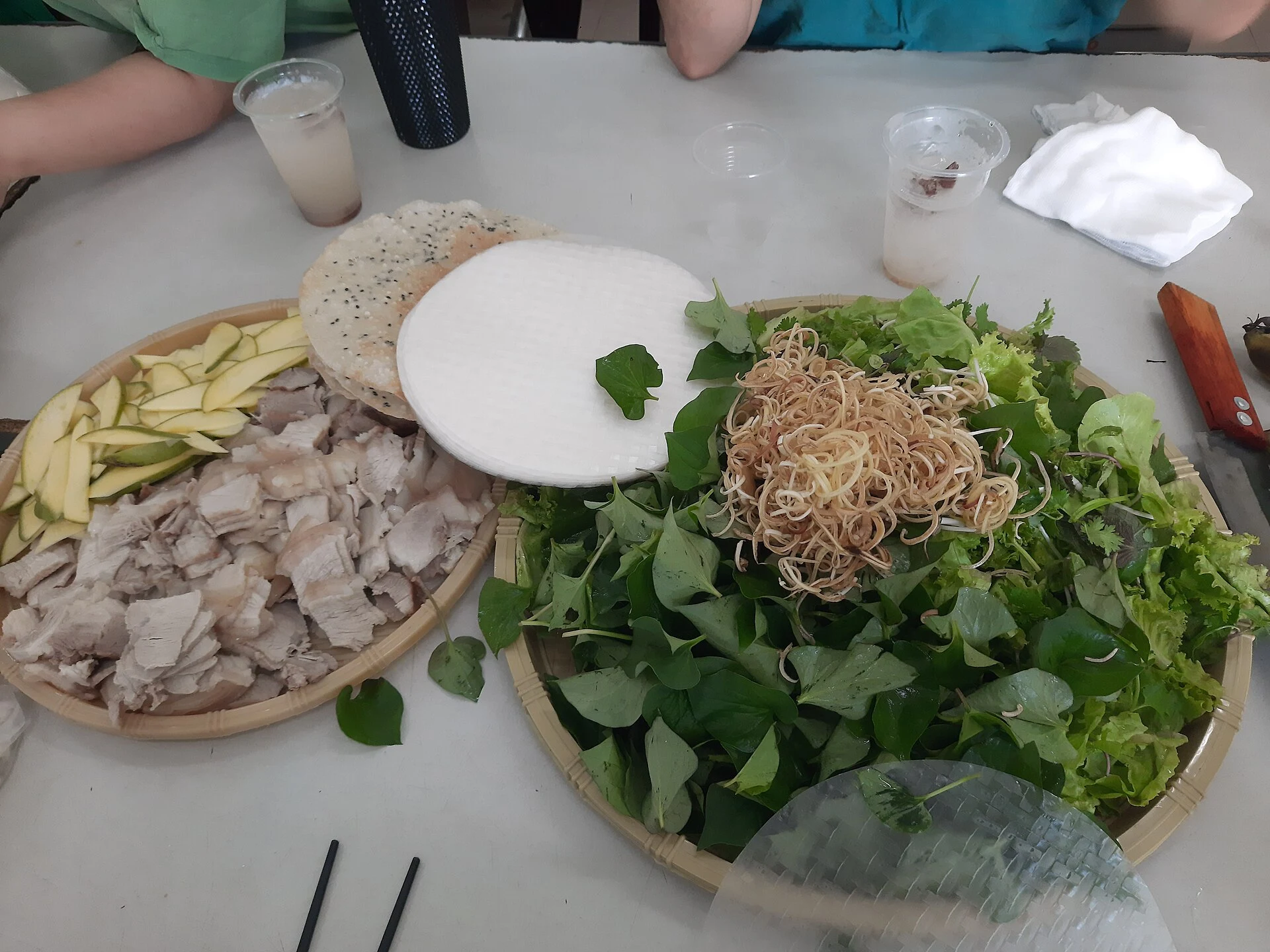
The roll begins as separated ingredients rather than a finished cylinder. Pork slices, leaves and rice paper stay visible until you choose their proportions, while the dipping bowl supplies a concentrated seasoning. This arrangement makes a first small roll especially useful: it tests how much filling the wrapper can hold and how strongly the dip affects it. Ask the server which components should be layered together before adding everything within reach to the first attempt.
Distinguish two fermented condiments
Mắm nêm and clear nước mắm are not interchangeable names for the same bottle. The national tourism board specifically associates mắm nêm with these pork rolls. That distinction offers a useful introduction to the fermented flavours of central Vietnam. Recipes can include additional ingredients, so learning the name helps conversation but does not reveal everything in the bowl.
Learn the wrapping order at the table
Ask whether the rice paper needs moistening and whether another thin rice sheet is included. Start with a modest amount of pork and greens; an overfilled first roll is difficult to hold. Dip a corner first, then adjust the next roll. If you prefer a different sauce, ask before ordering rather than assuming the kitchen can substitute it.
Make it a slower market-day lunch
This meal makes sense after looking at vegetables and condiments in a market, when the ingredients on the table become more recognisable. Use public visitor areas and keep photography unobtrusive. Leave a proper lunch interval: rolling food from several dishes is awkward during a rushed takeaway stop or immediately before a pickup.
Carry the sauce question onward
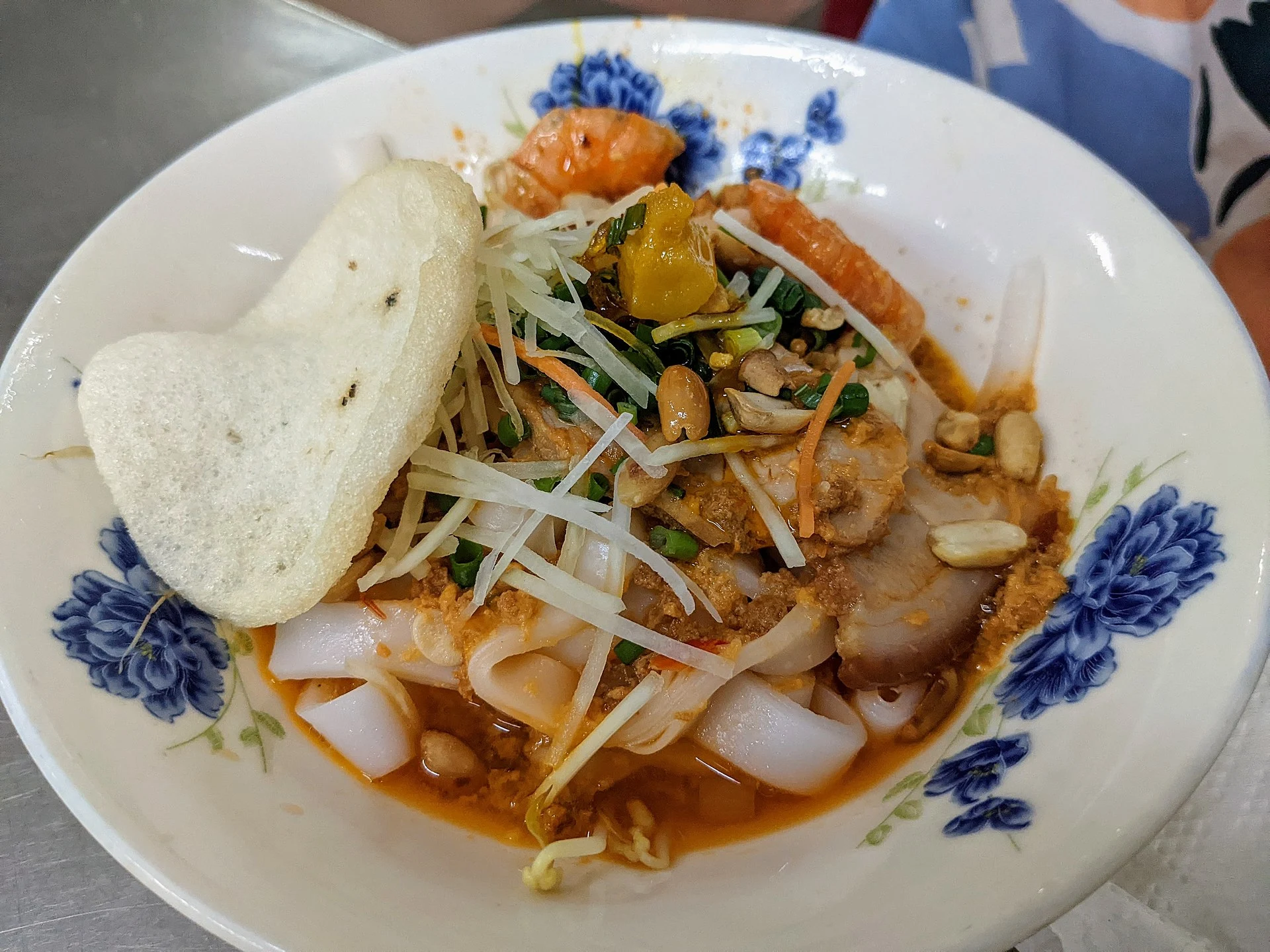
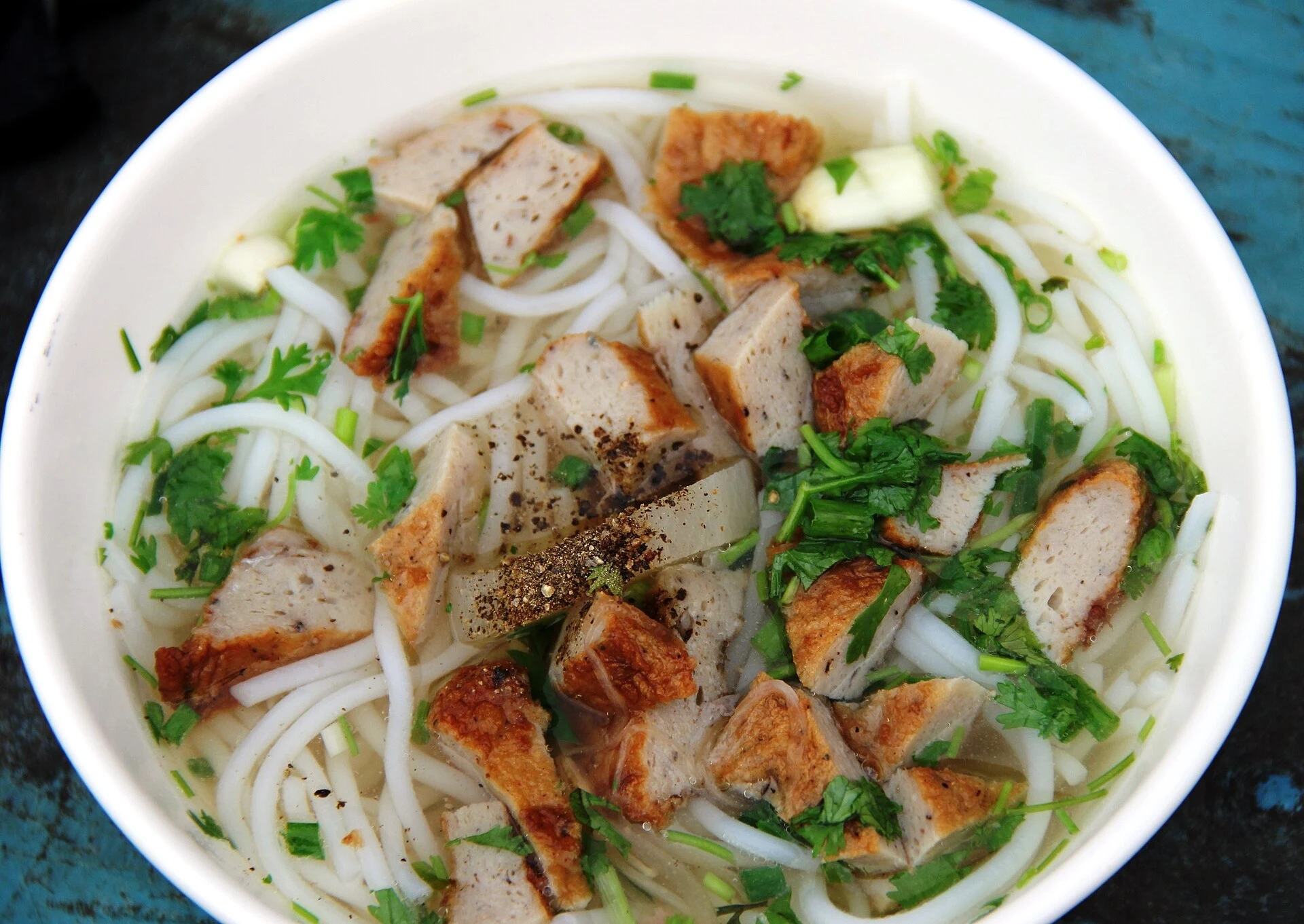
At your next meal, ask which condiment is served with mì Quảng or bún chả cá rather than pouring the same sauce over everything. A Da Nang itinerary becomes more interesting when a diner notices how distinct dishes organise seasoning differently. The pork rolls demonstrate that an assertive dip can sit beside deliberately uncomplicated ingredients.
The separated ingredients distinguish this meal from fresh rolls that arrive already wrapped. Its assertive dip does not create an obligation to enjoy that flavour. If someone at the table does not want mắm nêm, discuss the available alternatives before preparation. The useful cultural lesson is the relationship between sauce and mild ingredients, not a test of whether a visitor can tolerate a strong condiment.
Questions travellers ask
Is mắm nêm the same as clear fish sauce?
No. They are different fermented condiments; ask what is in the sauce served by this kitchen.
Can I request a different dip?
Ask before ordering; a substitute is not guaranteed.