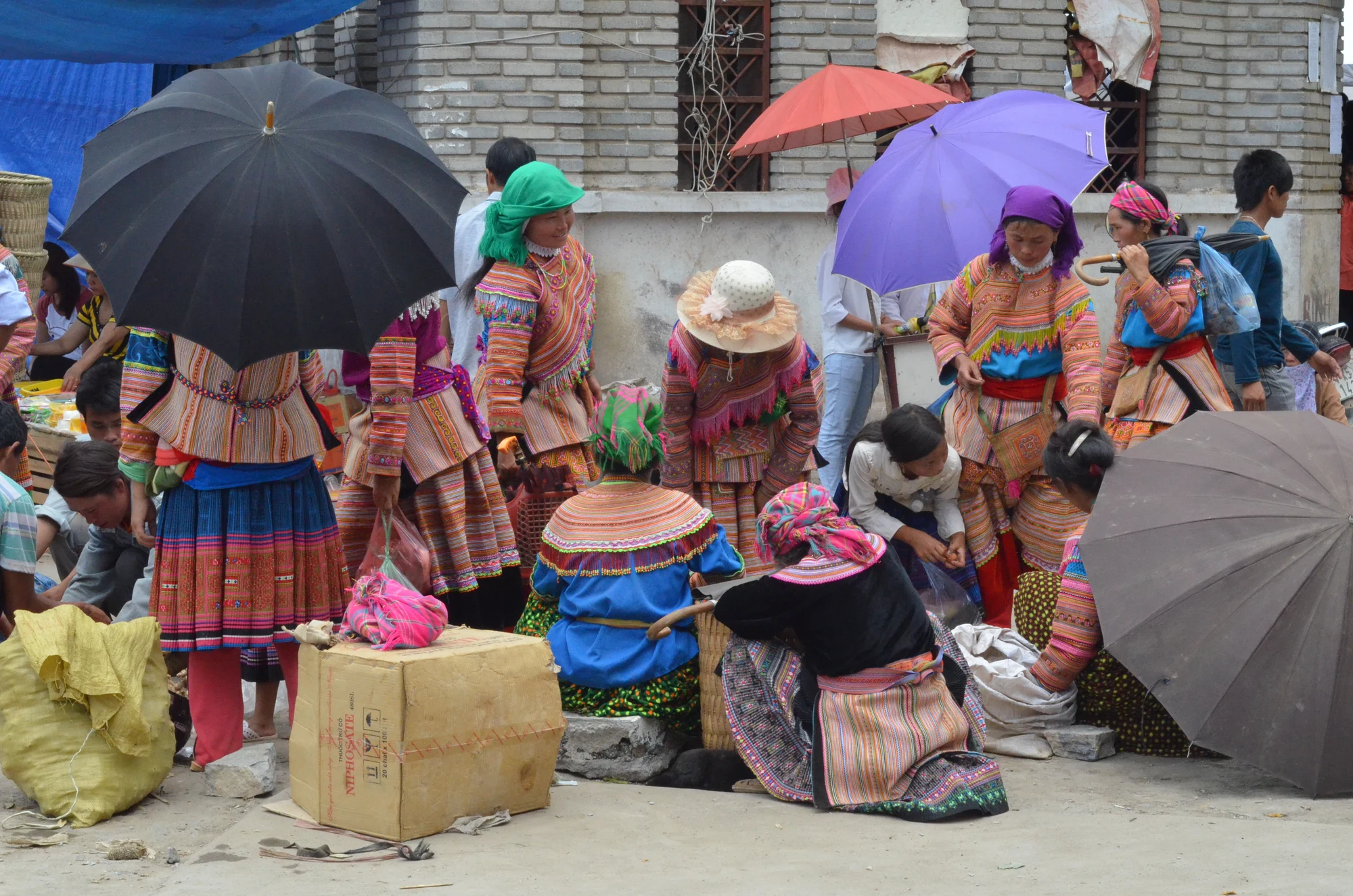
Sapa Textiles: Choose a Workshop That Explains the Craft
Choose a Sapa textile workshop by its specific technique, teacher and learning activity, with thoughtful questions about making and buying.
 Cat Ba Connect3 min read

The short answer
A textile workshop can reveal more about Sapa than buying a souvenir without context. Ask whether the session covers embroidery, weaving, sewing or batik, who teaches it and what part of the process you will actually try.
Begin with the specific technique
Vietnam Tourism's sustainable-travel guide lists several textile practices in the region. They are related but not interchangeable. A batik introduction differs from a sewing session, and a short demonstration is not the same as learning to make a garment. Ask for a plain description of the activity. This makes it easier to choose something that matches your curiosity and available time.
Learn from the maker's explanation
Ask what materials are used, where a pattern appears and how long a complete piece normally takes. A workshop can help you see the work inside a finished garment, even if you only practise a small step. Avoid assigning a symbolic meaning to every motif unless the teacher explains it. Communities and individual makers can have different stories and preferences about their designs.
Make time for translation
If the teacher and visitors do not share a language, a guide or organiser may be needed to explain details. Confirm how that works before booking. Watching a process can be enjoyable, but understanding decisions and technique adds depth. Keep questions specific so the maker can demonstrate an answer rather than being asked to explain an entire culture in the middle of working.
Buy according to what you have learned
After a workshop, you may be better able to distinguish handwork, materials and the time invested in an item. Ask which products are made by the teacher or cooperative and which come from elsewhere. Choose something useful to you and pay an agreed price. A shop visit should not be presented as a workshop unless there is a genuine learning activity with time allocated to it.
Respect the setting after the lesson
Photography of the process and teacher should be agreed, especially if you plan to publish the images. Credit the maker and place accurately where permission is given. Do not assume a purchased item grants permission to reproduce a design commercially. For a personal travel account, explain what you actually learned rather than making broad claims that one short session represents all Sapa textile traditions.
Know the difference between a lesson and a claim
After an introductory workshop, describe yourself as having tried a technique rather than having mastered a community’s textile tradition. A short lesson can still be valuable precisely because it reveals how much time and skill the full work requires. Keep the teacher’s explanation and the name of the process in your notes. If you later share a photograph of your practice piece, make clear which part you completed and which materials or preparation were supplied by the maker.
Questions travellers ask
Are all Sapa textile workshops batik workshops?
No. Activities can cover different techniques. Request a clear description before booking.
Can I finish a traditional outfit in one lesson?
A short session generally introduces part of a process. Complete garments can require far more work; ask what the lesson produces.