What to Eat in Sapa: Follow Produce, Herbs and Mountain Kitchens
Explore Sapa food through vegetables, tofu, herbs and mountain fish, with practical advice on shared meals, market visits and dietary requests.
 Cat Ba Connect3 min read
The short answer
Sapa food is a good reason to look beyond a list of unusual dishes. Start with local vegetables, tofu and herbs, then explore trout or other dishes according to your preferences and what a kitchen can explain and prepare.
Make produce the starting point
Vietnam Tourism highlights fresh mountain ingredients, including chayote leaves and handmade tofu. These give a practical entry into the region's food without requiring an adventurous meat dish. Ask what is in season and how the kitchen prepares it. A simple vegetable plate can reveal more about the area than ordering a famous name whose ingredients or preparation remain unclear.
Try fish with an explanation
The tourism authority's Sapa and Topas features discuss rainbow trout and different ways to serve mountain fish. Rather than assuming every restaurant follows the same recipe, ask about the dish in front of you. It may be prepared in soup, grilled or served with herbs and rice paper. Confirm portion size and accompaniments so you can plan a balanced meal instead of ordering several overlapping dishes.
Use a market visit thoughtfully
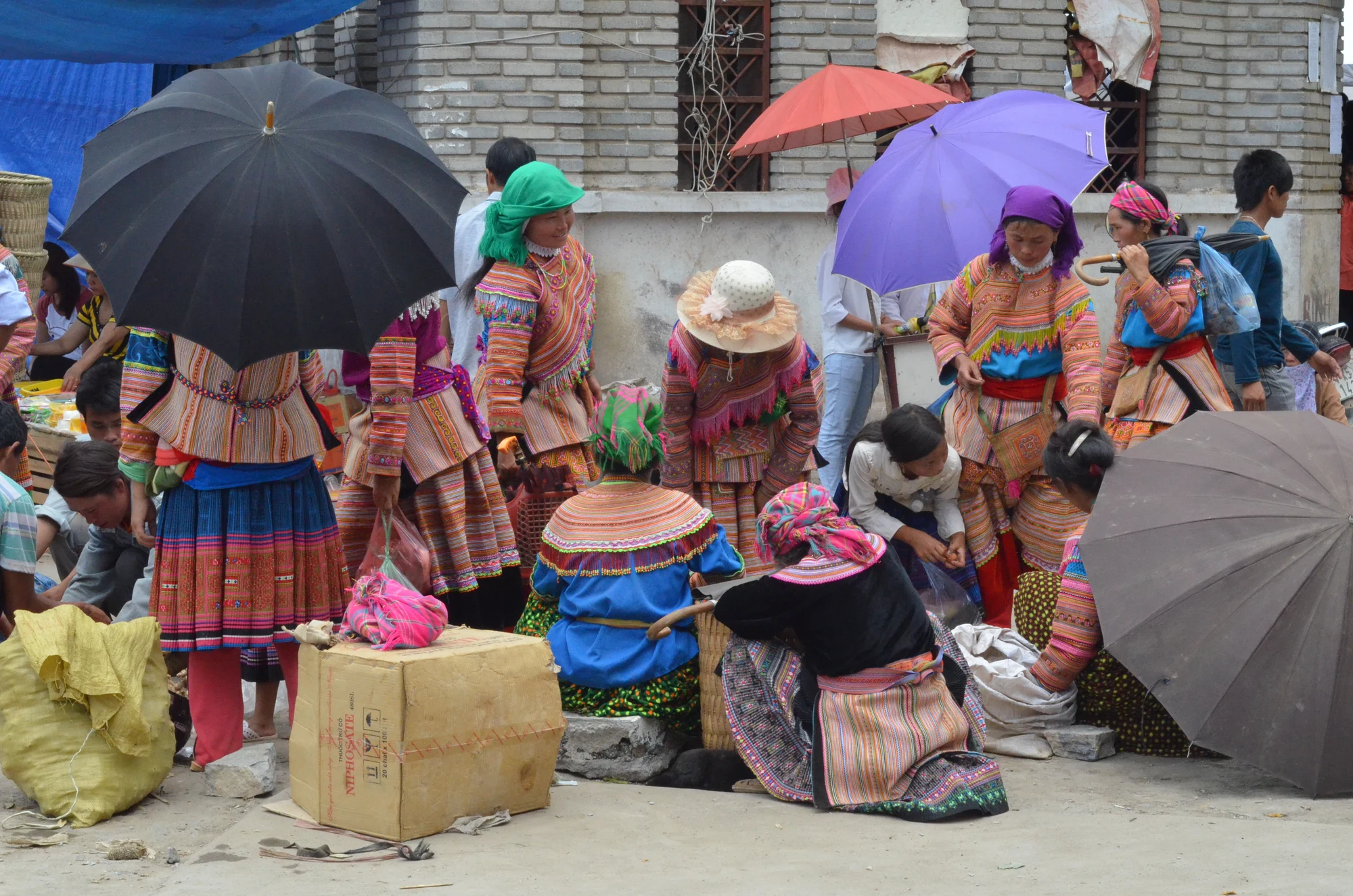
A market can show the ingredients before they appear on a plate. If you take a cooking activity, check whether the market visit and actual preparation are included. Ask the guide to identify an unfamiliar herb or vegetable and explain its use. Avoid treating an ordinary shopping trip as a performance, and give vendors room to serve customers while you observe.
Discuss dietary needs precisely
A dish described as vegetable-based can still contain stock, sauce or another ingredient you avoid. Explain the restriction and ask the kitchen to confirm. In a homestay, advance notice is especially useful because shopping may happen before you arrive. A translated note can help the discussion, but the important step is ensuring the cook understands the request and can offer an appropriate alternative.
Connect the meal with the stay
A town restaurant, a family dinner and a lodge menu offer different experiences. Choose according to whether you want independent choice, conversation with hosts or a planned tasting. Ask what is included in your accommodation or trek before paying for another meal arrangement. Food can become part of understanding the landscape when you connect ingredients with the fields, gardens and households encountered during the day.
Order for the people at the table
A shared meal works best when portions and preferences are discussed together. Ask whether a dish is intended as an individual serving or for several people and which accompaniments come with it. This is especially helpful when trying a hotpot or a meal assembled with herbs and rice paper. It lets you taste a useful range without ordering more than the group wants. The best introduction is a meal you understand and enjoy, rather than a complete online checklist.
Questions travellers ask
Can I eat well in Sapa without trying unusual meat dishes?
Yes. Vegetables, tofu, rice and other familiar ingredients provide many possible starting points. Confirm preparation with the kitchen.
Is a vegetable dish automatically vegetarian?
No. Ask about stock, sauces and other ingredients, and explain your dietary requirements clearly.