Kim Sơn rice spirit: understanding craft without centring drinking
Learn about Kim Sơn’s distilled rice spirit through rice, fermentation and family craft, with an optional adult tasting and a route that includes non-drinkers.
 Cat Ba Connect3 min read
The short answer
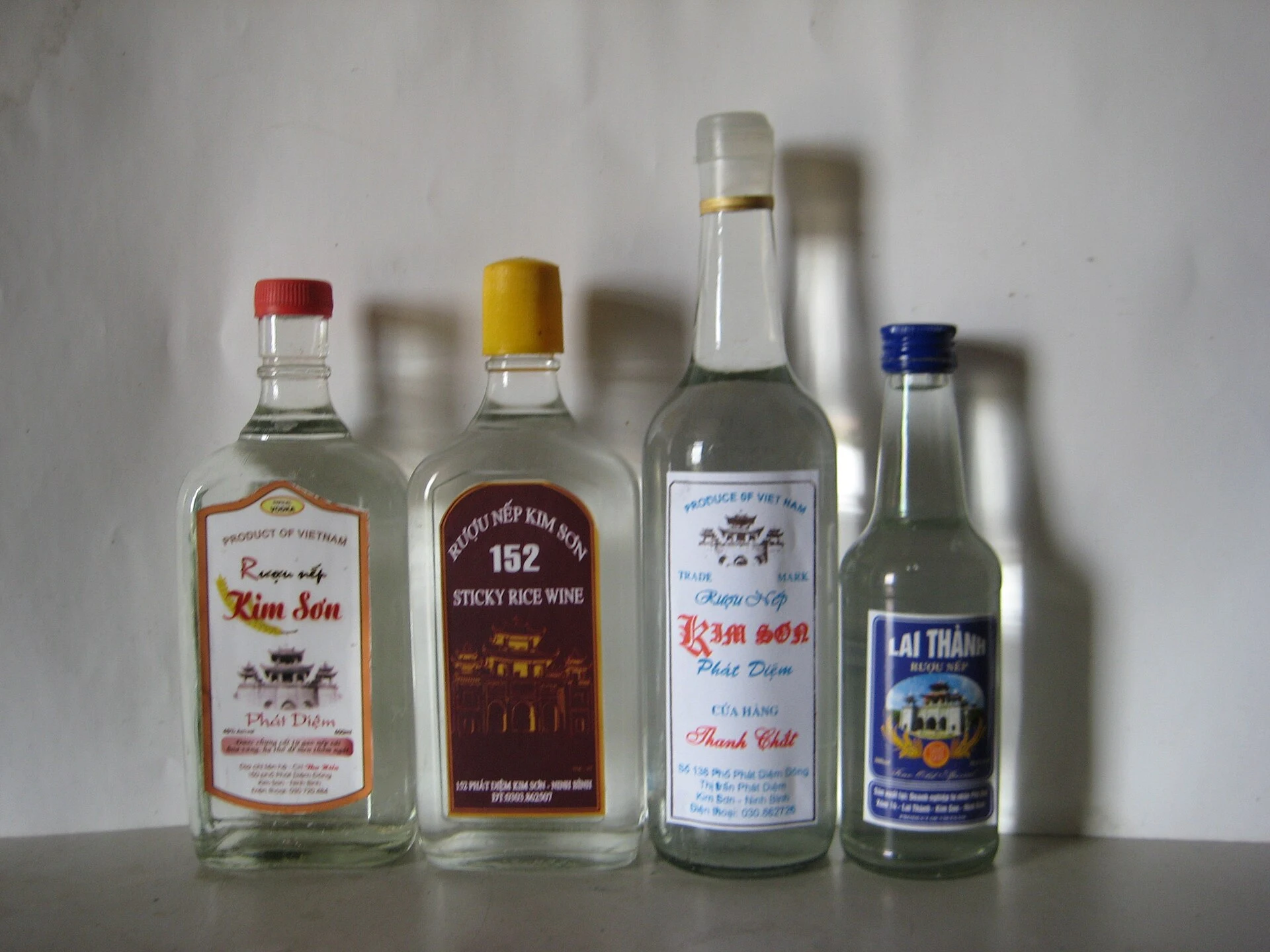
Kim Sơn rượu is commonly called rice wine in English, but the traditional product described by Ninh Binh tourism sources is distilled from fermented rice. Calling it a rice spirit makes that distinction clearer. It belongs to the wider Kim Sơn food-and-craft landscape rather than being a required drink with every meal in Ninh Binh.
Translate rice wine with a qualification
Two stages need distinguishing when discussing the product: rice is fermented, and alcohol is then concentrated through distillation. That sequence explains why the English shorthand rice wine can be misleading. A discussion of the craft can stay with the grain, starter and equipment without entering a tasting. For a bottle purchase, the labelled strength and producer identify the particular product more reliably than an informal description such as smooth village wine or a seller’s ceremonial pouring style.
Follow rice into fermentation and distillation
The provincial tourism account connects Lai Thành production with local sticky rice and family knowledge of fermentation starters. That is a craft story about ingredients and repeated work. It is not a reason to copy claims that alcohol or herbal additives improve health. A visitor can appreciate the production sequence while declining a tasting entirely.
Ask about the product rather than the drinking challenge
If an adult chooses to buy, ask for the named producer, full label, alcohol strength and storage information. A clear liquid in an unlabelled reused bottle does not provide useful traceability. Avoid wildlife-infused products. Do not organise tasting as a test of hospitality, tolerance or courage; a polite refusal should remain an ordinary option.
Keep the craft visit separate from driving
A visit can focus on conversation and production equipment, with permission before entering work areas or taking photographs. Anyone who will drive or ride should not taste alcohol. Plan another non-drinking activity for the group so that learning about the craft does not depend on every person consuming the product. Food and water should remain readily available.
Use Kim Sơn to broaden the Ninh Binh map
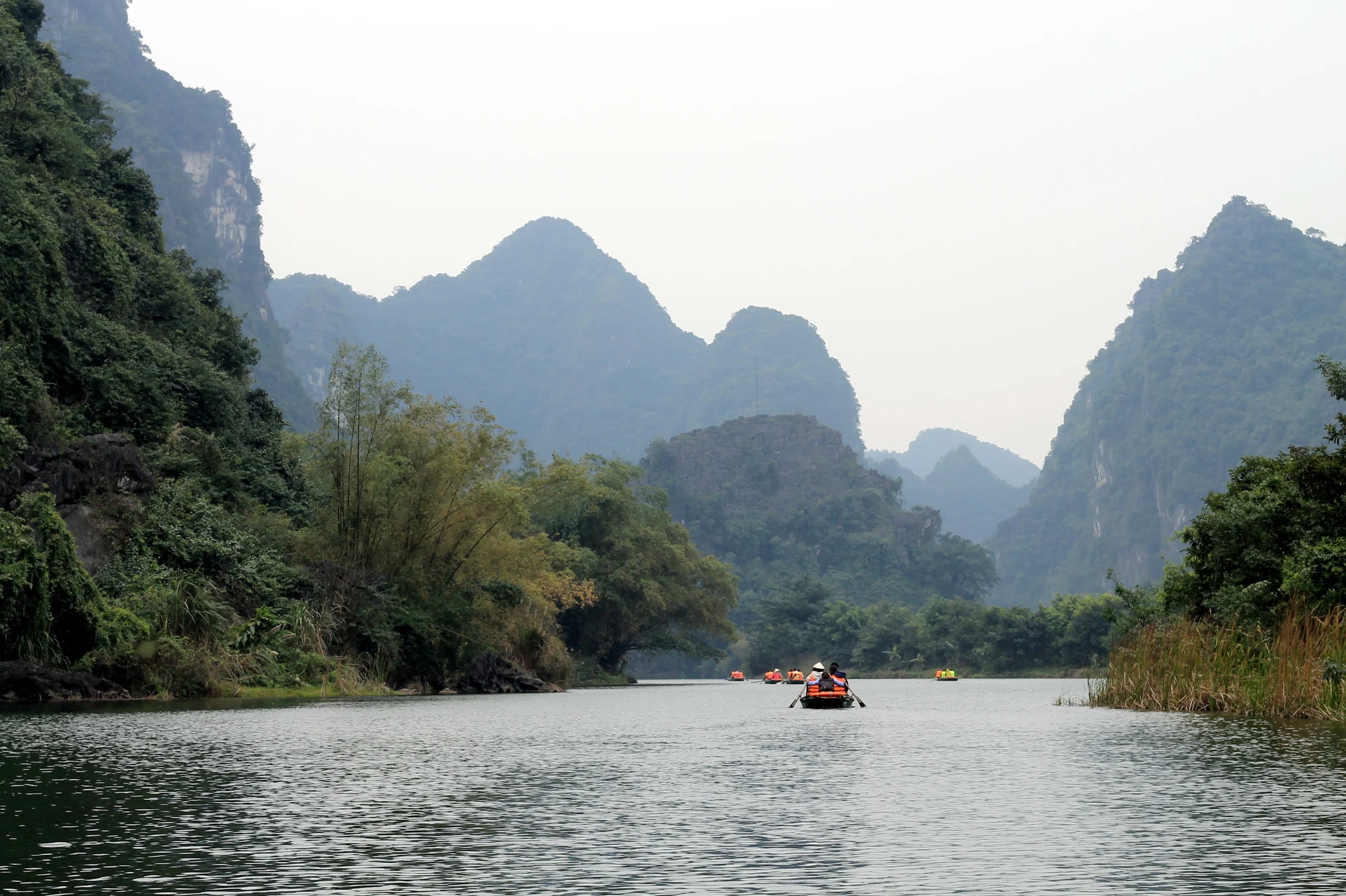
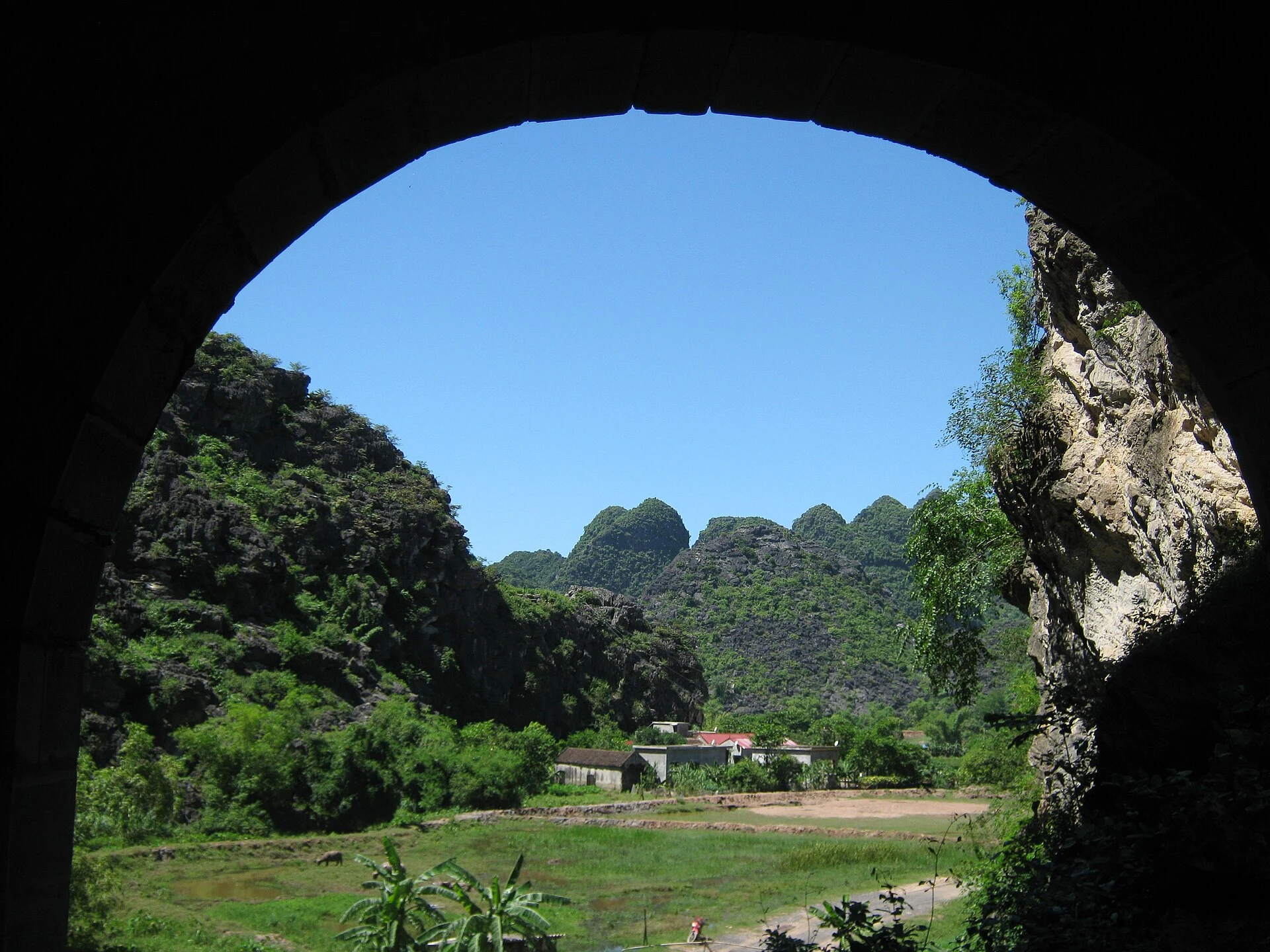
The story introduces a different setting from the limestone boat routes that dominate many itineraries. Combine a confirmed local cultural visit with time to understand rice farming and craft livelihoods, rather than adding a distant stop merely to purchase a bottle. If the route does not suit, read the producer label and discuss the origin at a reputable shop.
Learning about rice, fermentation and equipment can be the complete purpose of the visit, including for companions who never drink. A tasting invitation should remain separate from payment or hospitality. If a producer cannot offer a non-tasting explanation, a brief retail conversation may be enough. Continue with food, architecture or another craft rather than making alcohol consumption the measure of whether the outing succeeded.
Questions travellers ask
Do I need to drink to understand the craft?
No. Adults can learn about ingredients and production without tasting; participation should remain optional.
Can the driver join a tasting?
Anyone who will drive or ride should not taste alcohol; keep a non-drinking plan.