Ha Long in Rain or Mist: What Can Change on a Cruise?
Prepare for rain or mist in Ha Long by understanding visibility, route changes, onboard comfort and the operator’s weather procedures.
 Cat Ba Connect3 min read

The short answer
Mist can change the appearance of Ha Long without necessarily stopping a sailing. Wind, storms and official operating directions can change the itinerary more substantially. Ask about the operator’s process rather than seeking a blanket weather guarantee.
Separate visibility from operating conditions
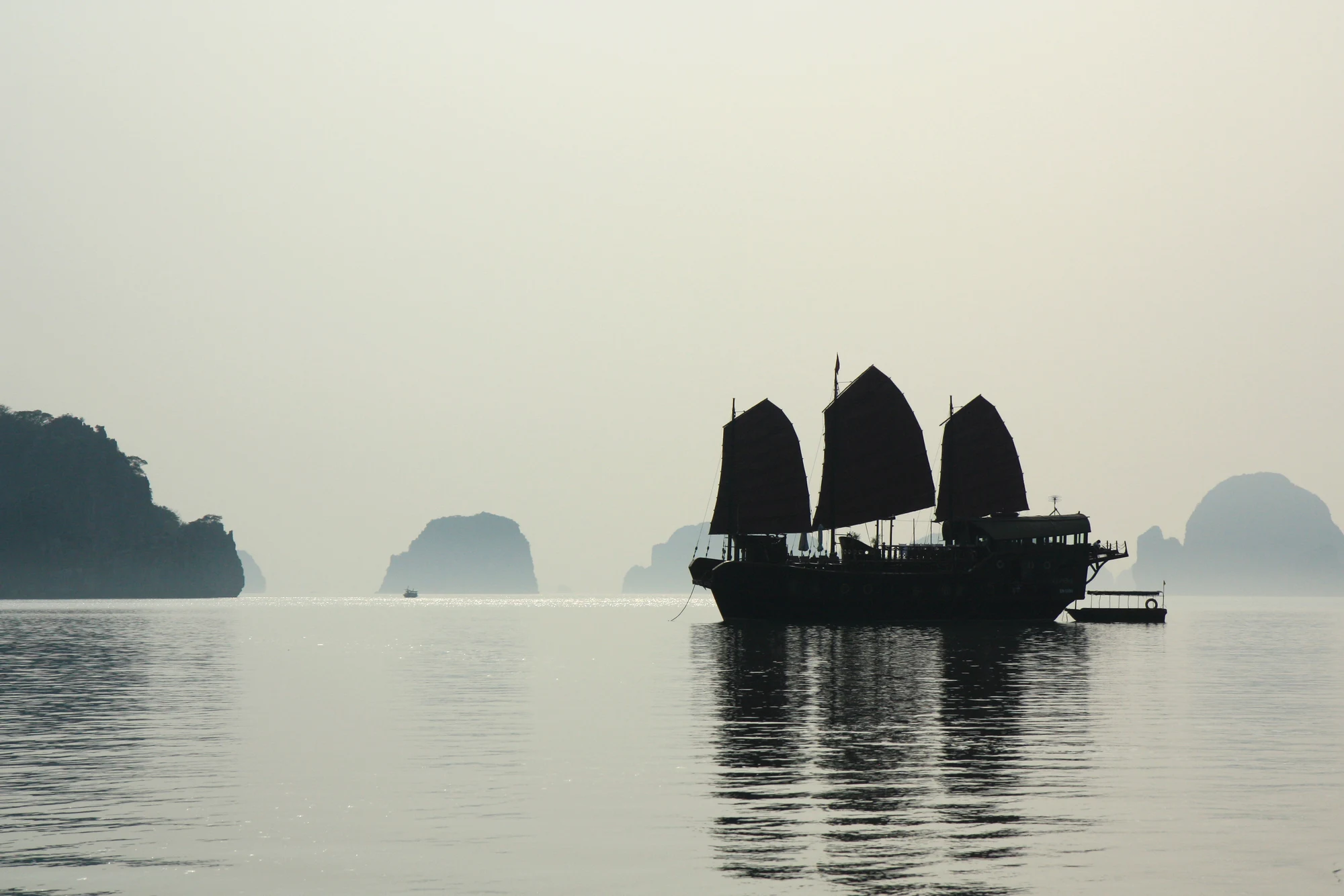
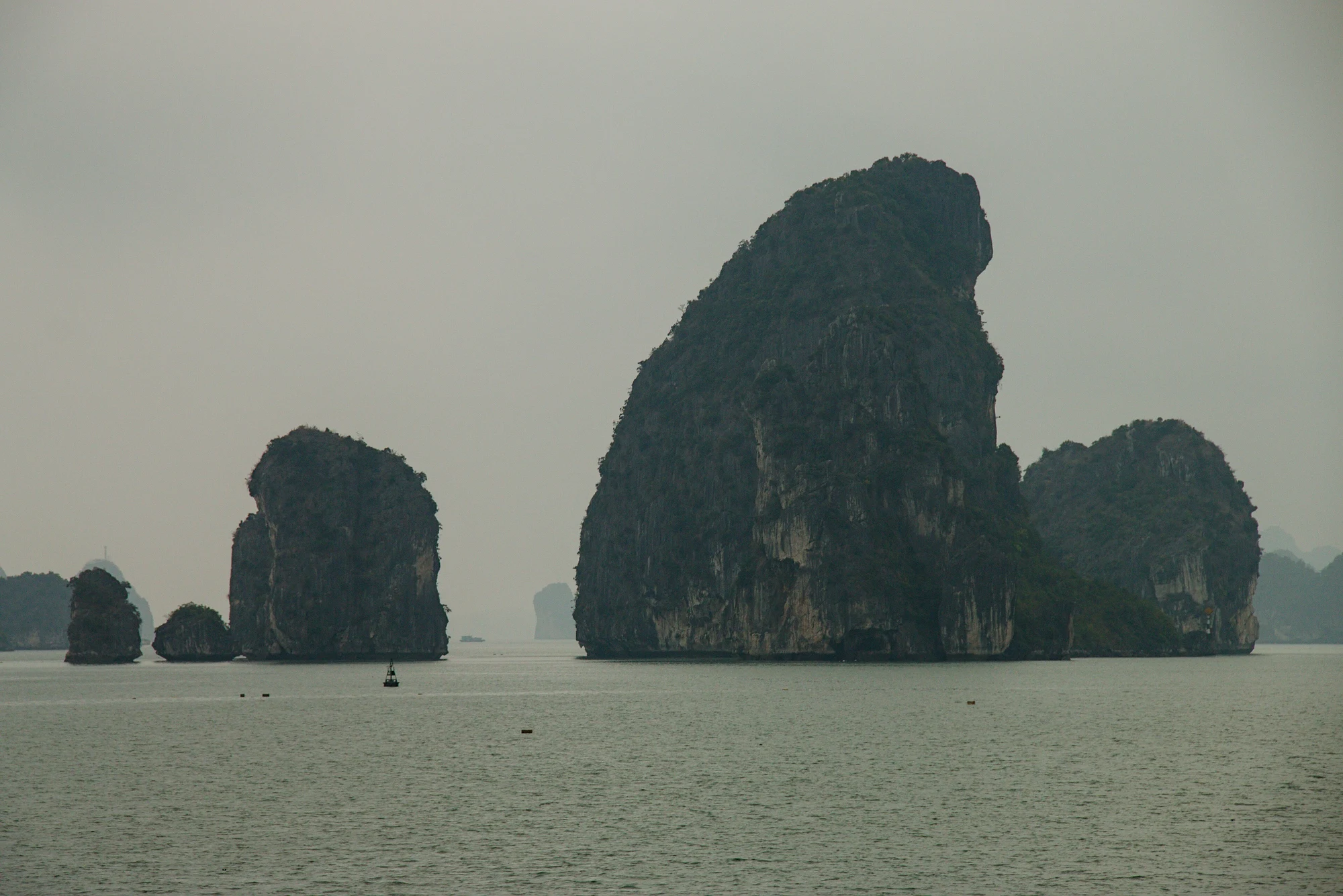
A landscape photograph taken on a clear day cannot establish what you will see on your departure. Mist can soften distant islands, while rain changes deck comfort and photography. These effects differ from conditions that make an activity or sailing unsuitable. Ask what information the operator uses and how decisions are communicated instead of interpreting one weather-app symbol as a complete marine forecast.
Understand itinerary flexibility
The operator may adjust the order of stops or replace an activity when conditions require it. Read how that possibility is described in the terms. A good itinerary sets expectations without presenting every beach, cave and paddle as unconditional. If a particular stop is the sole reason you are booking, raise that before paying and understand what happens if it cannot be visited.
Choose clothing for time aboard
Bring a layer suitable for a cool or breezy deck and protect electronics from spray and rain. Think about the movement between a warm indoor area and an exposed outdoor space. For shore visits, footwear should grip appropriately when surfaces are damp. A comfortable indoor lounge may matter more on a variable-weather departure than a cabin detail visible only in a photograph.
Keep onward plans resilient
Do not place an essential flight directly after an uncertain cruise return. A road-transfer estimate does not account for every operating change. If the rest of your trip is inflexible, choose a sailing that leaves a useful margin. Keep the operator informed of your onward requirements, but recognise that a tight connection cannot turn a provisional return window into a promise.
Ask about changes before they happen
Save the contact channel used for sailing updates and read the cancellation and rescheduling terms. Distinguish a voluntary change because you dislike the forecast from a sailing that the operator cannot run. These may have different consequences. A thoughtful plan leaves room for a land activity or another destination rather than treating a forecast as something a tour company can control.
Photography can adapt to the conditions
If distant views are obscured, pay attention to closer limestone edges, layered silhouettes and the changing relationship between the ship and nearby islands. Protect equipment and keep walkways clear rather than competing for one exposed position. A different atmosphere does not have to mean a failed visit. The practical limit remains important, however: an interesting photograph is never a reason to ignore deck instructions or pressure a crew to continue an unsuitable activity.
Questions travellers ask
Will a rainy forecast automatically cancel my cruise?
No. The decision depends on operating conditions and applicable directions, not rain alone.
Can every advertised stop be guaranteed?
No. Understand the route-change terms before booking a cruise around one specific stop.