Hạ Long chả mực: hand-pounding, texture and a shore-side meal
Understand Hạ Long hand-pounded squid patties through texture and frying craft, try a bánh cuốn pairing, and check cold-storage needs before buying gifts.
 Cat Ba Connect3 min read
The short answer
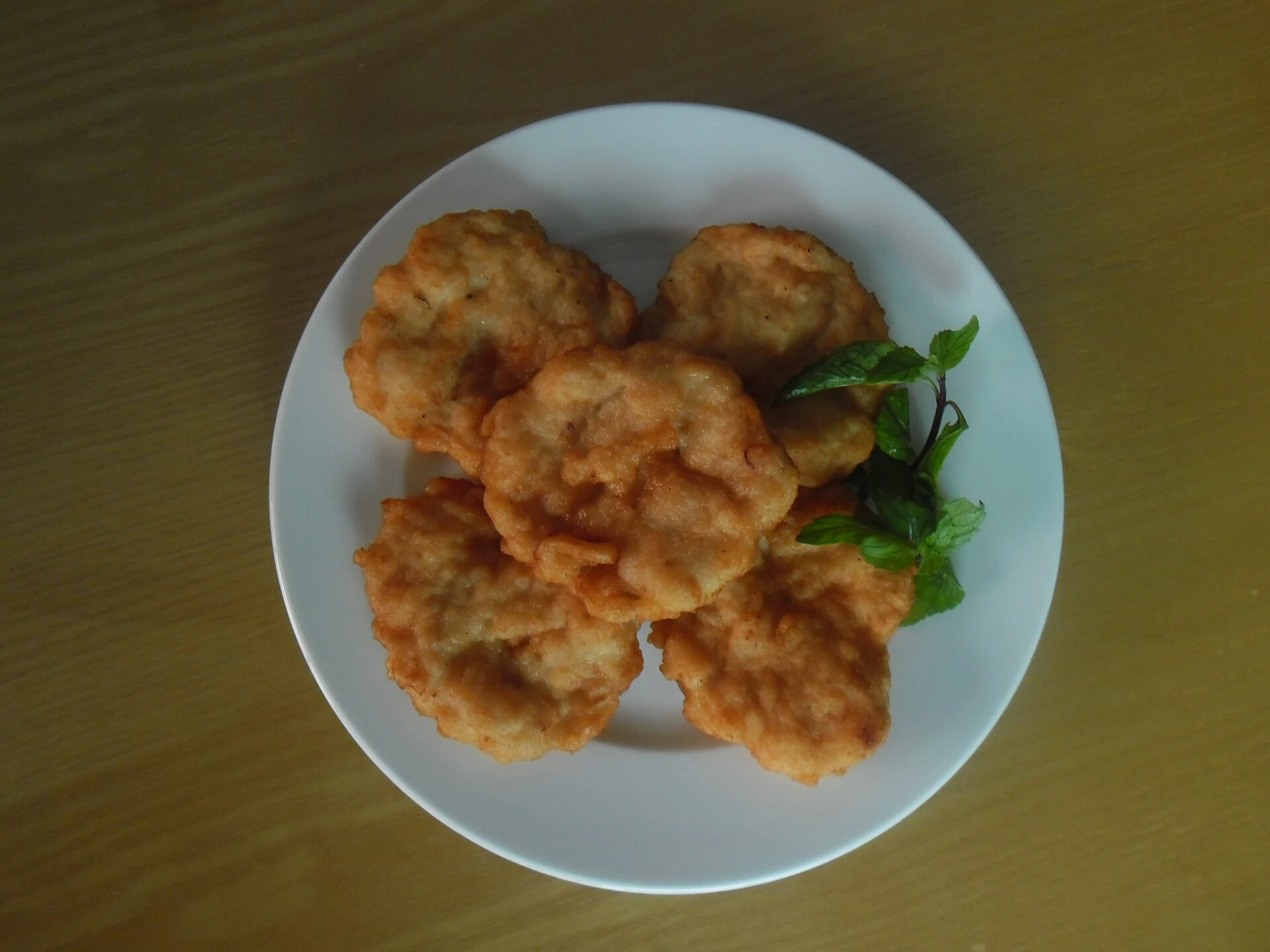
Chả mực is a squid-based patty, with hand-pounding a prominent part of Hạ Long’s food identity. The finished cake is often fried and served with rice, sticky rice or bánh cuốn. Hand-pounded is a claim about preparation, not a complete list of ingredients or a guarantee that every product bearing a bay photograph was made the same way.
Identify the patty before the sales label
The word giã tay describes a stage of preparation that a shopper cannot fully verify by looking at a fried patty. Ask the producer how pounding fits with chopping, mixing, shaping and frying in that batch. The texture you notice can support a tasting description, but it cannot disclose an entire recipe. Keep ingredient claims separate from praise for skilled work, and do not read a glossy package or regional label as a complete production record.
Make texture the useful craft story
The Quang Ninh tourism authority describes preparation, hand-shaping and control of frying heat, including comments from a local producer. These steps explain why texture matters without needing to invent a single historical founder. Some products may combine different stages of mechanical and hand work, so ask the maker what giã tay means for that particular batch.
Try it as part of a small meal
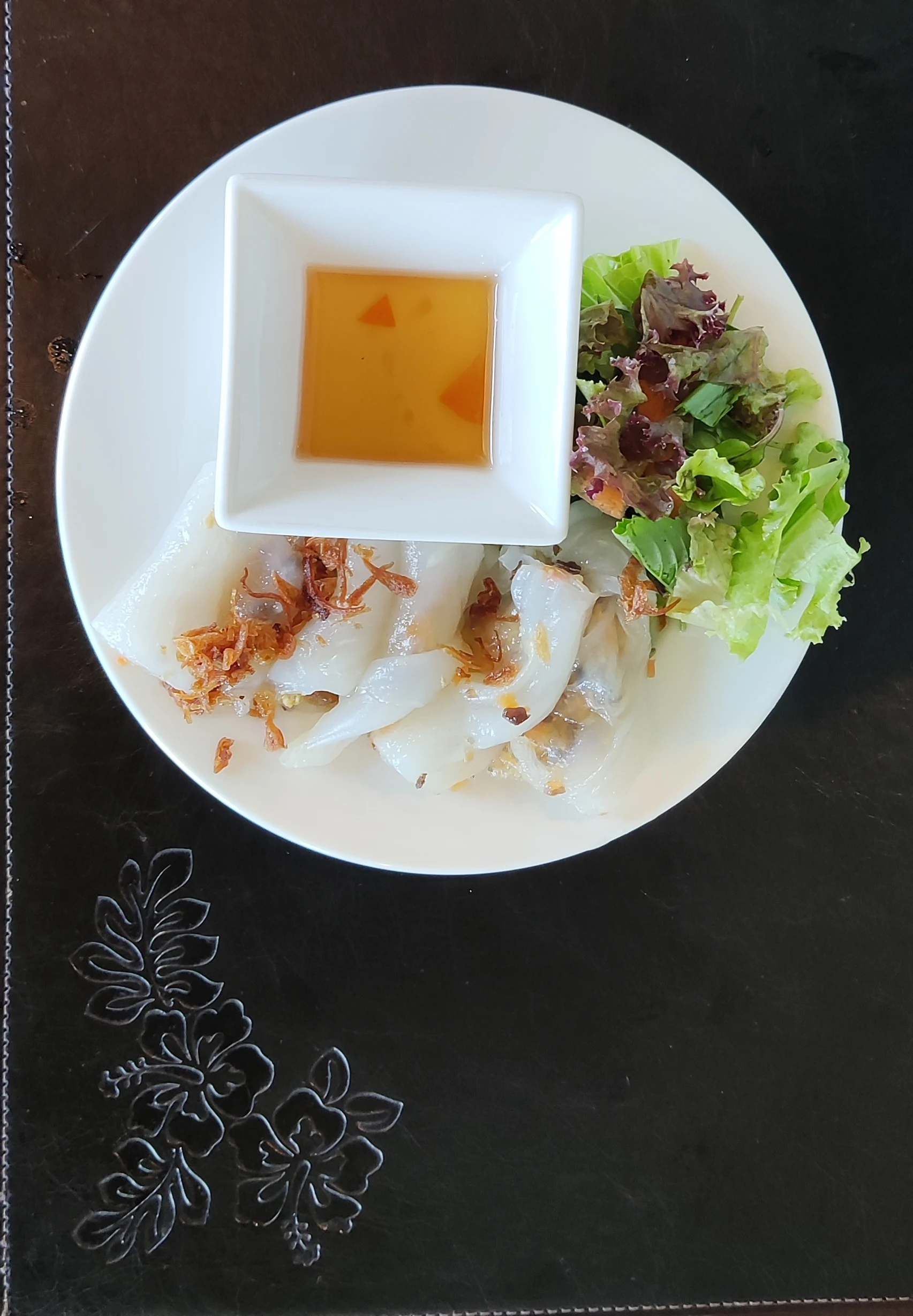
A bánh cuốn serving provides a useful contrast between soft rice sheets and the firmer patty; the national tourism database documents that local pairing. Ask whether a serving is enough for one person and what sauce accompanies it. Taste a piece before dipping, then decide how much sauce you want. A full ingredient question still matters beyond visible squid.
Keep the meal on shore in your plan
A shore-side food stop can sit before or after a bay itinerary, provided the meal does not threaten a scheduled boarding or return transfer. A cruise meal should not be assumed to include this speciality unless the menu confirms it. The onshore setting also gives the city’s market and cooking livelihoods a place beside the familiar limestone panorama.
Ask storage questions before buying a gift
For takeaway packs, confirm whether the patties are cooked, chilled or frozen, and follow the producer’s transport and storage guidance. Vacuum packaging does not mean the product can remain warm indefinitely. Buy only when the onward journey can accommodate the stated conditions. If not, eat a fresh serving locally and carry the story rather than a poorly stored food gift.
Visible squid pieces, overall seasoning and the fried surface contribute different qualities. None alone establishes that a product is completely pure or uniquely authentic. Ask which stage is done by hand and what else is included. A limited, direct answer can explain skilled work without requiring disclosure of a secret recipe or turning claims on gift packaging into an unquestioned account of production.
Questions travellers ask
Does vacuum packing remove the need for cold storage?
No. Follow the producer’s actual storage and transport instructions for that product.
Will a cruise automatically serve chả mực?
No. Check the actual menu; plan a shore-side serving if it is important to you.