Trang An after a disruption: choose the boat route that is actually offered
Choose a Trang An boat route after a change by comparing the actual caves, landings and return arrangement, with UNESCO’s karst-water context in mind.
 Cat Ba Connect3 min read

The short answer
After any disruption, ask which Trang An boat route is actually being offered rather than assuming that the whole advertised circuit has resumed. UNESCO describes an interconnected karst-water landscape, but its heritage account is not an operating notice. Match the available route to the experience you want, then confirm its landings and return. Checked on 27 October 2026, this guide does not claim that Trang An is currently closed or newly reopened.
Understand the landscape without inventing a flood cause
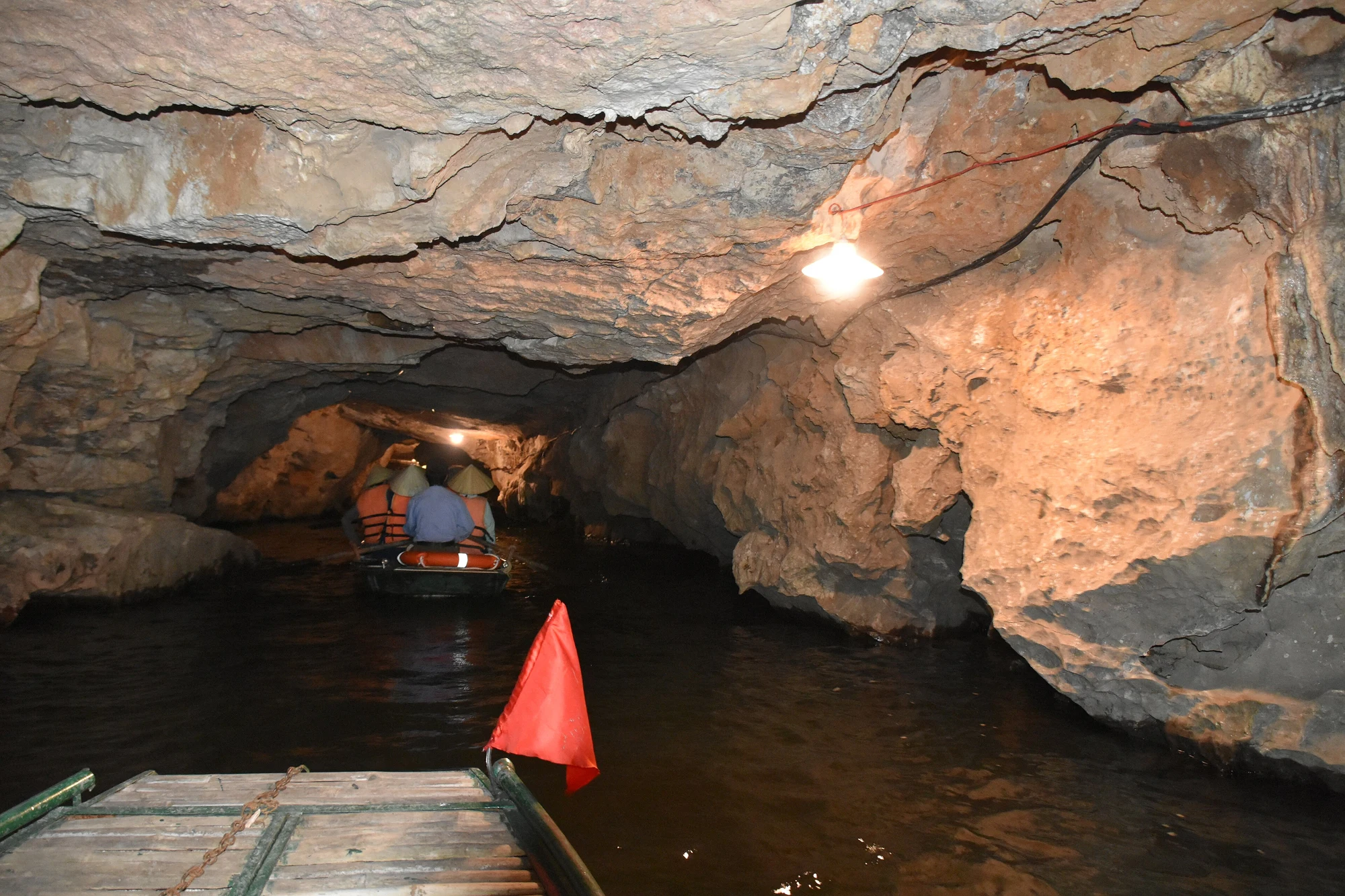
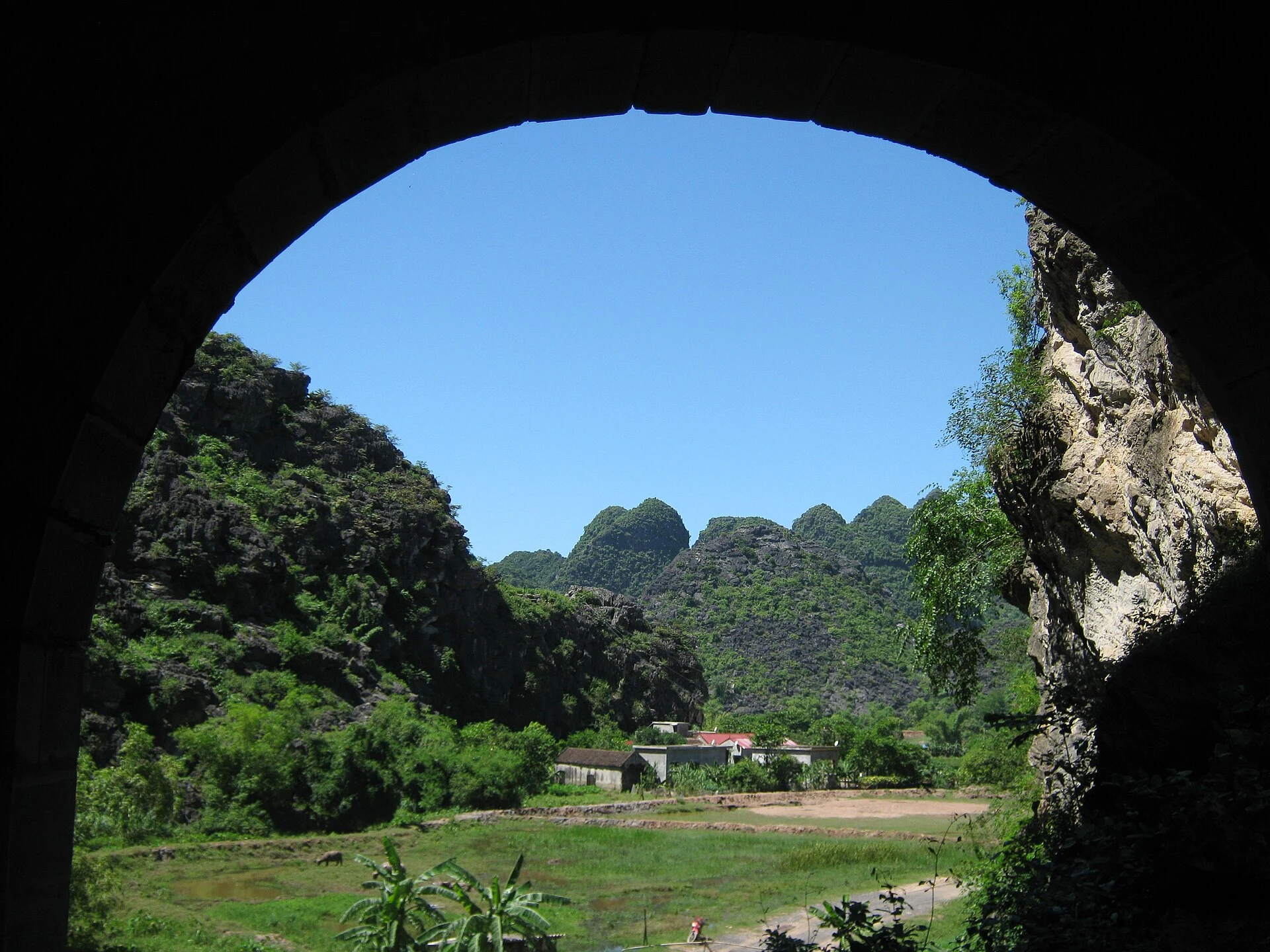
UNESCO describes Trang An’s basins and underground waterways and identifies the massif as rain-fed and hydrologically isolated from surrounding rivers. That is a reason to avoid casually blaming every local condition on an upstream river release. The heritage description explains the landscape, not the present water level. If a supplier describes a route change, ask for the actual visitor consequence rather than adding a technical explanation that neither you nor the source has verified.
Ask for the route rather than the attraction name
A confirmation that Trang An welcomes visitors is less specific than confirmation of the route you intend to take. Ask which caves and landings are included and whether the journey returns to the same place. Keep the offered route with your booking details. If a route number is supplied, ask what it contains on that date instead of assuming that an older blog’s list remains identical. Names and numbers should lead to a clear description of the actual outing.
Choose the experience you value most
Decide whether your main interest is moving through cave passages, seeing the wider limestone setting or spending time at the landings. A revised circuit may preserve one interest better than another. Discuss this before paying so companions do not arrive with incompatible expectations. A shorter available route can be a good choice when it matches the group’s purpose; it should not be sold to you merely as the same experience with the inconvenient differences left unexplained.
Keep the return vehicle aligned with the landing
If the boat arrangement changes, confirm where the driver should wait and how you will communicate at the end. Avoid promising a precise return hour that the boat provider has not supplied. Leave enough room before a train, coach or fixed onward pickup to account for the actual programme you choose. A plan that works only if every part finishes at the shortest possible time is fragile even when there is no current weather warning.
Use a different land visit for a different purpose
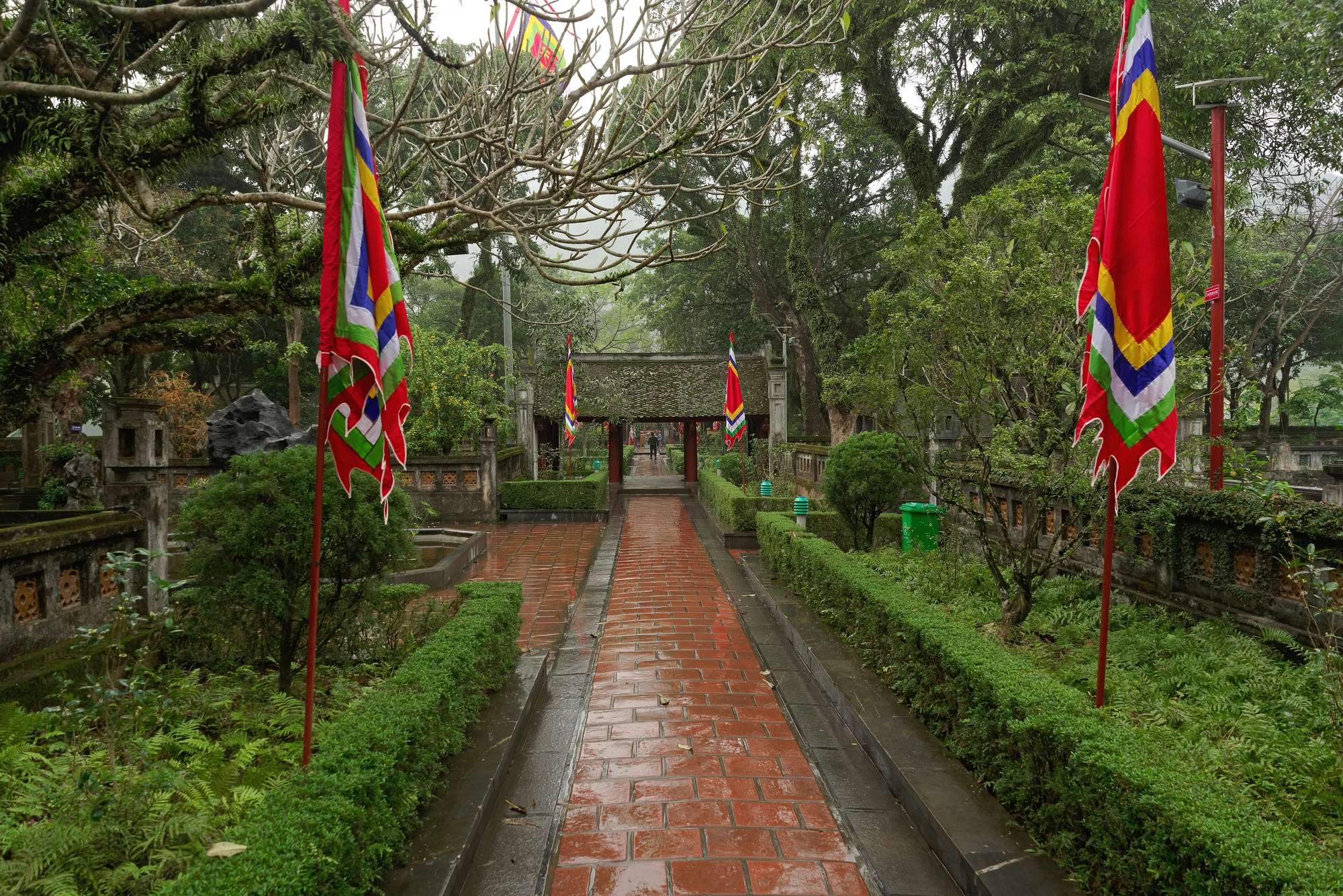
If the offered boat experience no longer suits you, consider a separate Hoa Lu historical visit or another confirmed land attraction rather than treating every Ninh Binh activity as the same river journey. Verify access and transport for that alternative on its own terms. The change can give the day a clearer historical or architectural focus. It does not justify claiming that every boat route is closed, nor does an open land site prove the water route has resumed.
Questions travellers ask
Does UNESCO’s heritage description confirm today’s boat route?
No. Obtain the actual route and operating information separately.
Can I assume surrounding river releases explain Trang An conditions?
No. UNESCO describes the massif as rain-fed and hydrologically isolated from surrounding rivers.