Historical case: what Ha Long’s September 2024 Yagi suspension actually proves
Use Ha Long’s September 2024 Yagi suspension as a dated case study in reading closure notices, without presenting an old emergency as current travel news.
 Cat Ba Connect3 min read
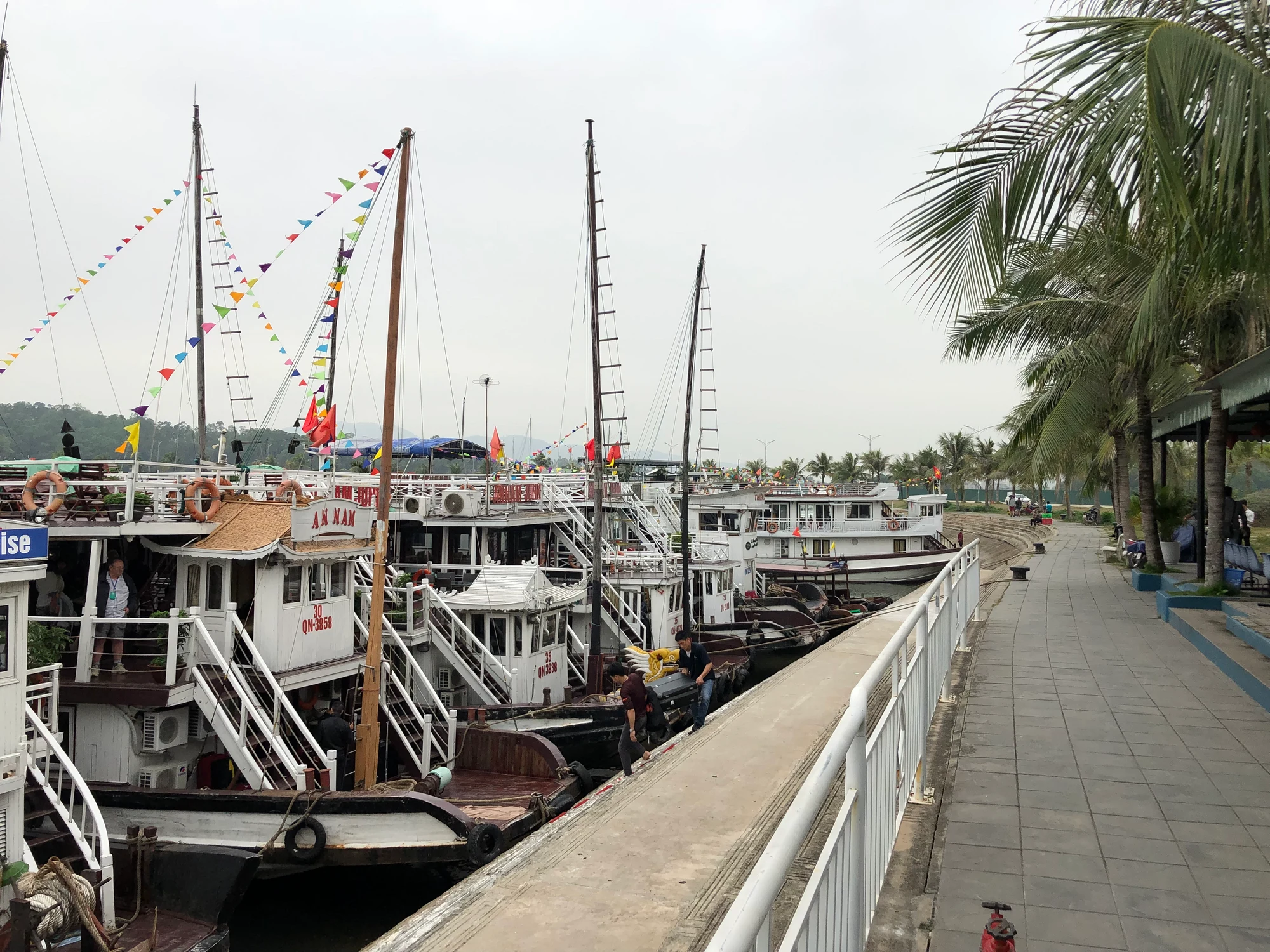
The short answer
This is a historical case study, not a current closure alert. Quang Ninh’s official report recorded a suspension of Ha Long Bay sightseeing, entertainment and swimming from 11:00 on 6 September 2024 before Yagi’s northern landfall. The example shows why activity, location and start time matter. Checked on 27 October 2026, it supplies no evidence that those restrictions are still operating or that an unrelated future sailing will be cancelled.
Keep September 2024 in the headline
The Quang Ninh report describes a suspension beginning at 11:00 on 6 September 2024 for specified activities on Ha Long Bay. The disaster-management record places Yagi’s northern landfall on 7 September 2024. These dates establish a historical sequence, not a live travel instruction for October 2026. When explaining the event, retain the year in the headline and the body so an isolated screenshot cannot easily be mistaken for a fresh emergency notice.
Read the list of activities
The notice did not merely say bad weather was possible. It identified sightseeing, entertainment and swimming as activities to be suspended. That is why a precise operational message is more actionable than a general storm headline. At the same time, do not expand the list to claim that every road, museum and accommodation in the wider province stopped operating. The historical evidence should remain no broader than the instruction that the official report actually described.
Notice the difference between preparation and restriction
Before a suspension, suppliers may contact customers to prepare for changes. After a restriction, the booking conversation needs to identify the actual alternative or cancellation arrangement. Those are different stages, and a message from one stage should not be reused as if it belonged to the other. The Yagi example helps travellers ask which stage applies to their own future reservation without assuming that the same storm, decision or commercial conditions will repeat.
Do not derive a reopening from silence
A notice describing the start of a suspension does not, by itself, establish its end. For a complete historical account, seek the relevant reopening source rather than inventing a duration from an itinerary or a later photograph. For a current journey, obtain the current decision directly. An absence of further messages in a chat is not the same as confirmation that a named activity has resumed, and a supplier should make the status of the purchased service explicit.
Apply the reading method to a new booking
For a later sailing, start again with the reservation date, departure port and latest official or operator notice. Carry over the questions learned from the historical case, not the old conclusion. Ask what is confirmed, what is pending and how a change will be communicated. This preserves the practical value of the 2024 record while avoiding an alarmist claim that an old suspension remains in force or an unsupported promise that another season cannot experience disruption.
Questions travellers ask
Is this a current Ha Long closure alert?
No. It is explicitly a September 2024 historical case.
Does the starting notice prove a reopening date?
No. A reopening requires its own dated evidence.