Why Spend a Night in Du Gia on the Ha Giang Loop?
Decide whether a Du Gia overnight fits your Ha Giang route, comparing rural setting, homestay arrangements, family meals and usable village time.
 Cat Ba Connect3 min read
The short answer
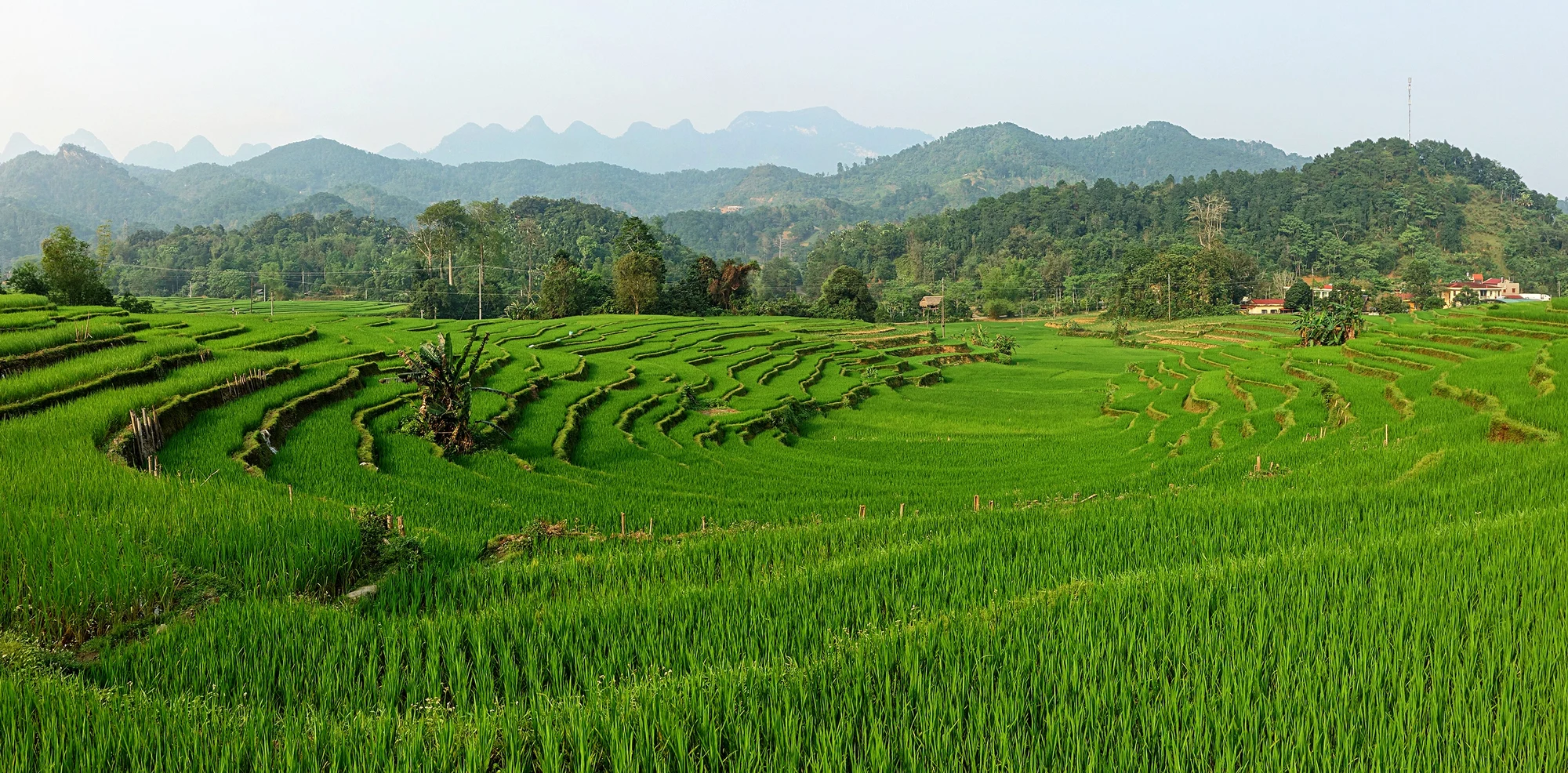
Du Gia suits travellers who want a rural overnight stop among rice fields and streams rather than another town evening. It is especially useful on a route that gives the village meaningful time instead of adding it as a late detour.
A different rhythm from the plateau
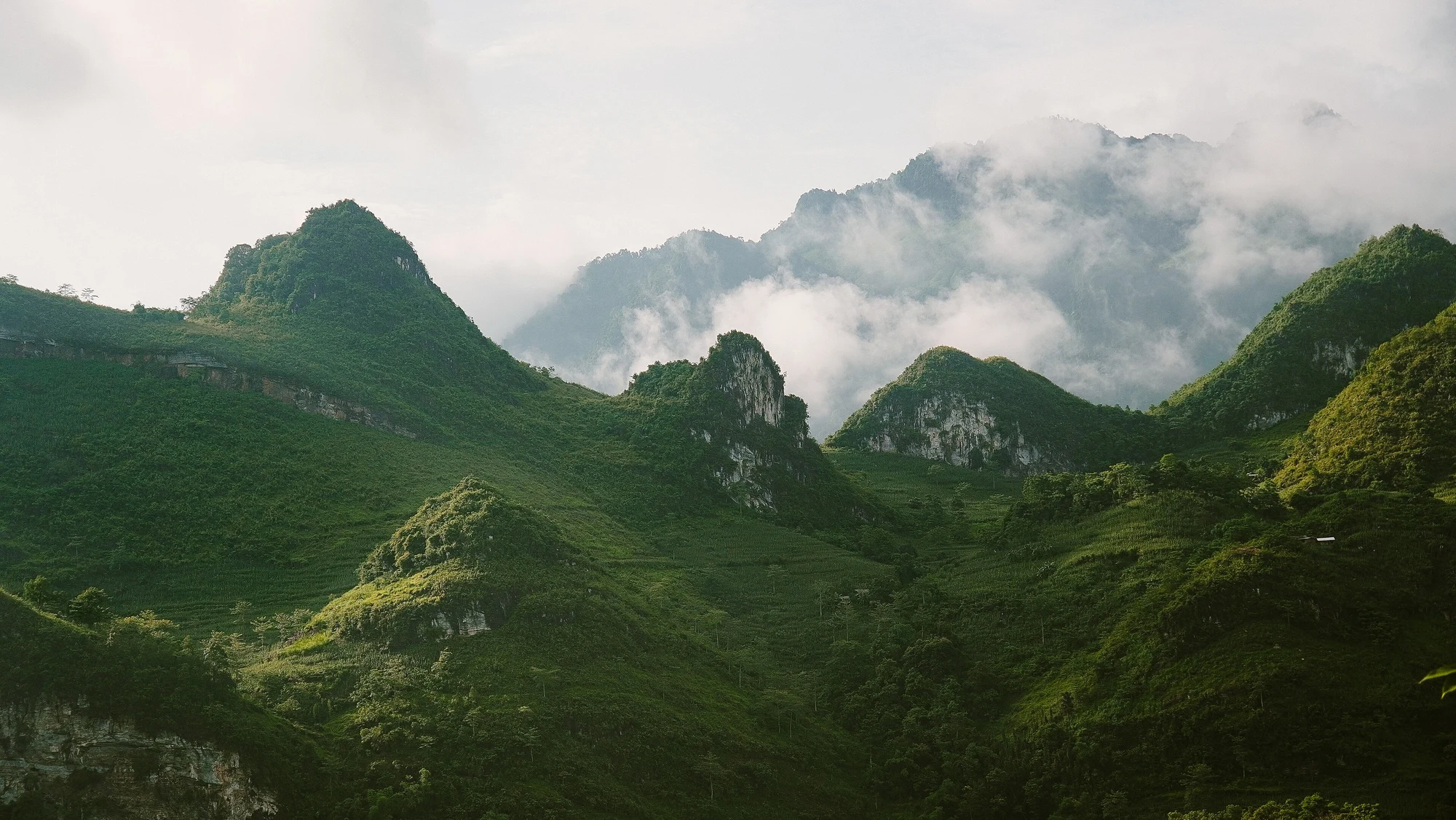
Motorventures describes Du Gia as a Tay village setting with rice fields and nearby water. This makes it a useful contrast to the exposed limestone landscapes around Dong Van and Ma Pi Leng. The reason to stay is the change in pace: time to notice farming, a village walk and an evening meal. It is not simply a new pin to add to the loop map.
Check the accommodation's actual setting
A homestay labelled 'Du Gia' may place you close to a busy gathering point or farther into the surrounding countryside. Ask for the location and room arrangement, especially if you want a quiet evening. Shared sleeping space, private rooms and bathrooms are separate features. Photographs of fields do not tell you how many guests will be eating or sleeping at the property that night.
Give the family meal time
Flipside's homestay account explains how meals and translation can create a more meaningful encounter with hosts. Allow the evening to unfold rather than arriving only in time to eat and sleep. Ask about local ingredients, the farming calendar or the house itself. Participation in drinking or karaoke is optional; a good cultural evening can be based on conversation and shared food alone.
Treat the waterfall as conditional
Du Gia is frequently associated with a waterfall visit, but a village stay remains worthwhile without swimming. Conditions, access and the day's timing all matter. Ask the operator what is appropriate on the day and be willing to spend the time walking or resting instead. Avoid selecting a longer itinerary solely because an image promises a particular pool, empty viewpoint or water colour.
Where the extra night belongs
Look at the road stages before and after Du Gia. An added overnight improves the trip when it reduces rushing and creates free time. It is less convincing if reaching it means a very long afternoon followed by an early departure. Ask what you will actually do in the village beyond dinner. The answer should fit your interests in landscape, culture or rest.
An early morning can be the point
The advantage of sleeping in a rural setting is that you are already there when the following day begins. If the host agrees, leave enough time for breakfast and a short look around before packing. Ask which lane is suitable and avoid wandering into working areas uninvited. A modest morning routine may provide more understanding than adding another ambitious excursion. It also helps the village stay feel like a distinct part of the journey rather than an accommodation label.
Questions travellers ask
Do I need four days to visit Du Gia?
Not necessarily, but many longer itineraries provide more usable time there. Compare the full route.
Is a Du Gia stay worthwhile without swimming?
Yes. The rural setting, walking opportunities and homestay evening are independent reasons to stay.