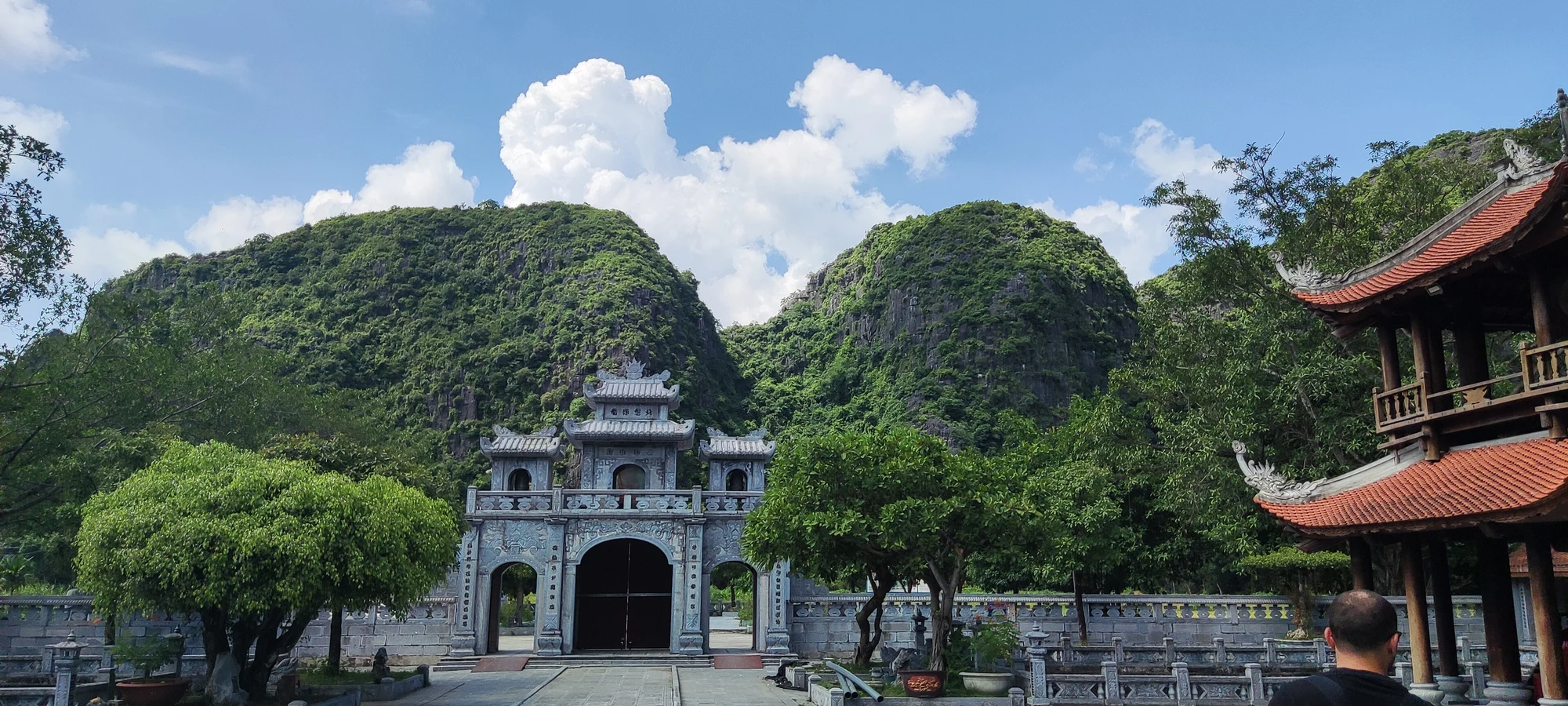
Cuc Phuong primate conservation: what a responsible visit means
Understand what a responsible primate-centre visit at Cuc Phuong involves, including welfare rules, staff interpretation and current access arrangements.
 Cat Ba Connect2 min read

The short answer
A primate-centre visit at Cuc Phuong is an educational look at conservation work, subject to the facility’s current visitor rules. Plan around staff-led interpretation and animal welfare rather than expecting interaction, entertainment or guaranteed access to every area.
Understand the role of a rescue facility
Conservation centres may care for animals affected by illegal trade and other threats. Rehabilitation and breeding goals differ from the expectations of a leisure attraction. Read the information supplied by the centre and ask staff how the programme operates. An animal remaining out of view may simply reflect its needs; it is not a reason to demand a closer encounter.
Confirm arrangements before travelling
Ask about the current visiting procedure, guide availability, meeting point and restrictions. Do not assume an old blog accurately describes admission or opening arrangements. Because Cuc Phuong is a dedicated trip from the main countryside bases, verify access before setting off. Build an alternative park activity into the day only if it matches the weather and your group’s mobility.
Children can prepare a question before the visit, such as how animals arrive or why some need long-term care. A focused question encourages listening and helps staff tailor an explanation. Afterwards, discuss what responsible travel means without implying that merely seeing a rescued animal solves the wider threats facing its habitat.
Use your questions well
Ask how rescue, rehabilitation and habitat protection relate to each other. Staff explanations can turn a short enclosure-side stop into a meaningful introduction to conservation challenges. Avoid questions that imply every rescued animal can or should be released immediately. The appropriate outcome depends on the species, health, history and conservation programme, and staff are best placed to explain those decisions.
Make photography secondary
Follow the facility’s guidance on cameras, flash, noise and distance. Keep children close and explain why tapping, calling and feeding are inappropriate. Never treat an animal as a prop. If you want to support the work, ask about official donation channels or educational materials rather than assuming a commercial tour payment directly funds a particular project.
Build the onward journey around this visit
This outing adds a different kind of nature experience before Cat Ba. It can inform later choices about wildlife encounters and guided activities without promising a direct link between the destinations. Keep it on a dedicated park day, return to your accommodation and use a separate travel day for the island. Confirm the entire transfer rather than just the first road segment.
Questions travellers ask
Can visitors touch or feed primates?
Do not expect or request contact. Follow the centre’s current welfare and visitor rules.
Is this the same as a forest wildlife walk?
No. A centre visit explains conservation work; a forest walk explores habitat and offers no guaranteed animal sightings.
Continue your journey
These websites share ownership with Cat Ba Connect. Check current service details on the relevant website.