Angel Eye Mountain and Thang Hen: Read the Landscape by Season
Understand Angel Eye Mountain and the changing Thang Hen landscape, with realistic expectations about seasonal water levels and local access.
 Cat Ba Connect3 min read
The short answer
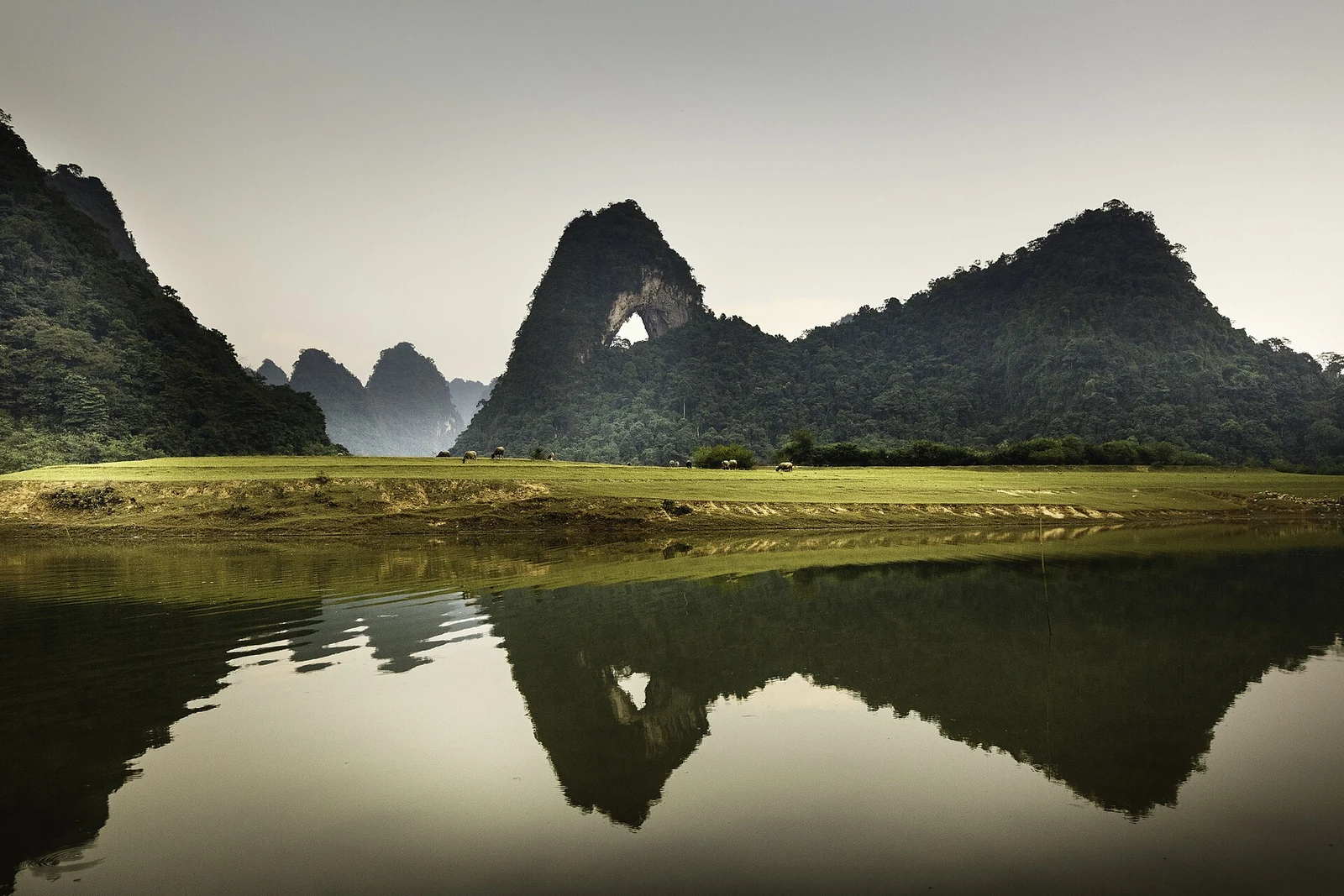
Angel Eye Mountain is recognised for the opening through its limestone peak, while the nearby lake-and-valley landscape changes with water levels. Choose a visit for the broader karst setting and verify current access rather than expecting one fixed meadow or reflection scene.
Understand what the names describe
Motorventures' itinerary overview identifies Nui Thung, often marketed in English as Angel Eye Mountain, and relates it to the wider Thang Hen landscape. The mountain opening is the recognisable visual feature, but the surrounding fields, meadow and water make the setting. Ask your guide to clarify which places are separate stops and which names refer to the same wider area.
Water changes the photograph
The operator description notes seasonal changes in the nearby lake system. A green valley floor and a broad reflective body of water are different conditions, not competing promises. Ask for recent observations if a particular scene is central to your trip. A photograph from another month or year should be treated as an example of the landscape's range rather than a guarantee.
Choose an appropriate visit length
A short viewpoint pause may suit a route focused on Ban Gioc. Travellers interested in landscape photography or walking may prefer more time. Ask where the vehicle stops, which paths are used and what the ground is like on the day. The famous hole in the peak does not automatically mean there is an appropriate visitor route to climb toward it.
Treat the valley as a shared place
Grazing animals and agricultural activity can be part of the setting. Keep distance, avoid chasing animals for photographs and follow advice about where to walk or park. A broad field is not automatically a campsite or picnic area open to all uses. If you want a longer stay, arrange it with a local provider who can clarify permissions and current conditions.
Use it to balance the wider trip
The landscape offers a different mood from the waterfall and cave. It can be a good choice when your itinerary needs open space rather than another enclosed attraction. Compare the detour with your available daylight and overnight location. A calm, well-timed visit is more valuable than arriving late only to reproduce a photograph whose conditions no longer exist.
Be precise when sharing the visit
When publishing a photograph, distinguish the mountain, valley and lake location instead of applying one famous name to every scene. Note the general conditions you actually saw, such as exposed meadow or standing water, without presenting them as permanent features. This makes the image more useful for future travellers. It also explains why another visitor’s photograph may look very different while still depicting the same broader landscape at another point in its changing water cycle.
Questions travellers ask
Will I see a lake or a meadow?
The surrounding landscape changes with water levels and season. Ask about current conditions before departure.
Can I camp at Angel Eye Mountain?
Do not assume permission or facilities. Arrange any overnight plan locally and verify access first.