Rau sống: a field guide to the herb plate on a Vietnamese table
Rau sống is the herb plate that comes with Vietnamese meals. Learn the names you will meet, how each one tastes, what it goes with and how to think about raw herbs.
 Cat Ba Connect4 min read
The short answer
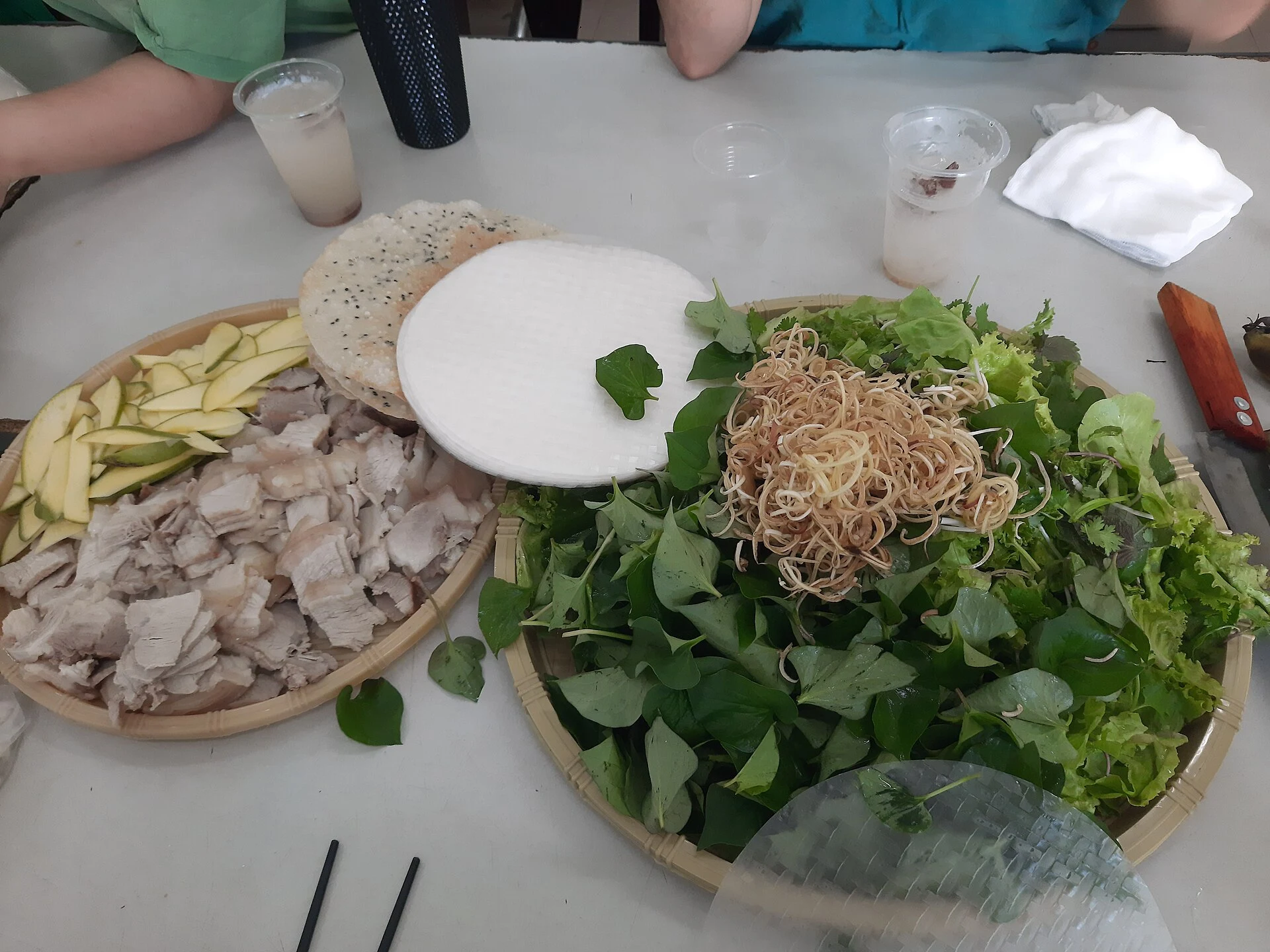
Rau sống is the plate of raw herbs and greens served with many Vietnamese meals, and you tear what you like into your bowl or wrap. Expect húng lủi (spearmint), tía tô (perilla), kinh giới (often called Vietnamese balm), rau răm (Vietnamese coriander), diếp cá (fish mint) and húng quế (Thai basil), with choices changing by dish and region. CDC advises travellers to be cautious with raw vegetables, so weigh that up for your own trip.
Learn the plate by smell, not by Latin
English menus translate these herbs inconsistently, so a name is less useful than a nose. The easy way in is to take one leaf of each, crush it, and sniff. Three families cover most plates. The mints are clean and sweet: húng lủi is spearmint and húng cây stronger peppermint. The basil is húng quế, usually called Thai basil, with strong anise notes. The third group is the challengers, with diếp cá, or fish mint, the one most likely to surprise you.
Vicky Pham, a Vietnamese-American cookery writer, describes it as strong, fishy and pungent. Those names and uses are drawn from English-language references, and they are a guide, not a botanical authority. Names shift with region, and some sources call rau răm Vietnamese mint, though it is not a mint. Ask the person serving you.
The five herbs newcomers ask about
Tía tô, perilla, tastes peppery and minty, and also goes by shiso. Kinh giới, listed as Elsholtzia ciliata in Wikipedia’s ingredient list, has a strong and slightly bitter aroma, and is commonly sold in English as Vietnamese balm. Do not confuse it with lemon balm, though some sources blur the two. Rau răm, Vietnamese coriander, has a citrus and mint edge with a slight spicy finish.
Ngò gai, or culantro, Eryngium foetidum, resembles strong coriander, and appears with phở and canh chua. Thì là, dill, is used as a herb in fish dishes, most famously Hanoi’s chả cá, as this site’s guide explains. If a leaf is not on this list, ask its name and write it down.
Which herb goes with which dish
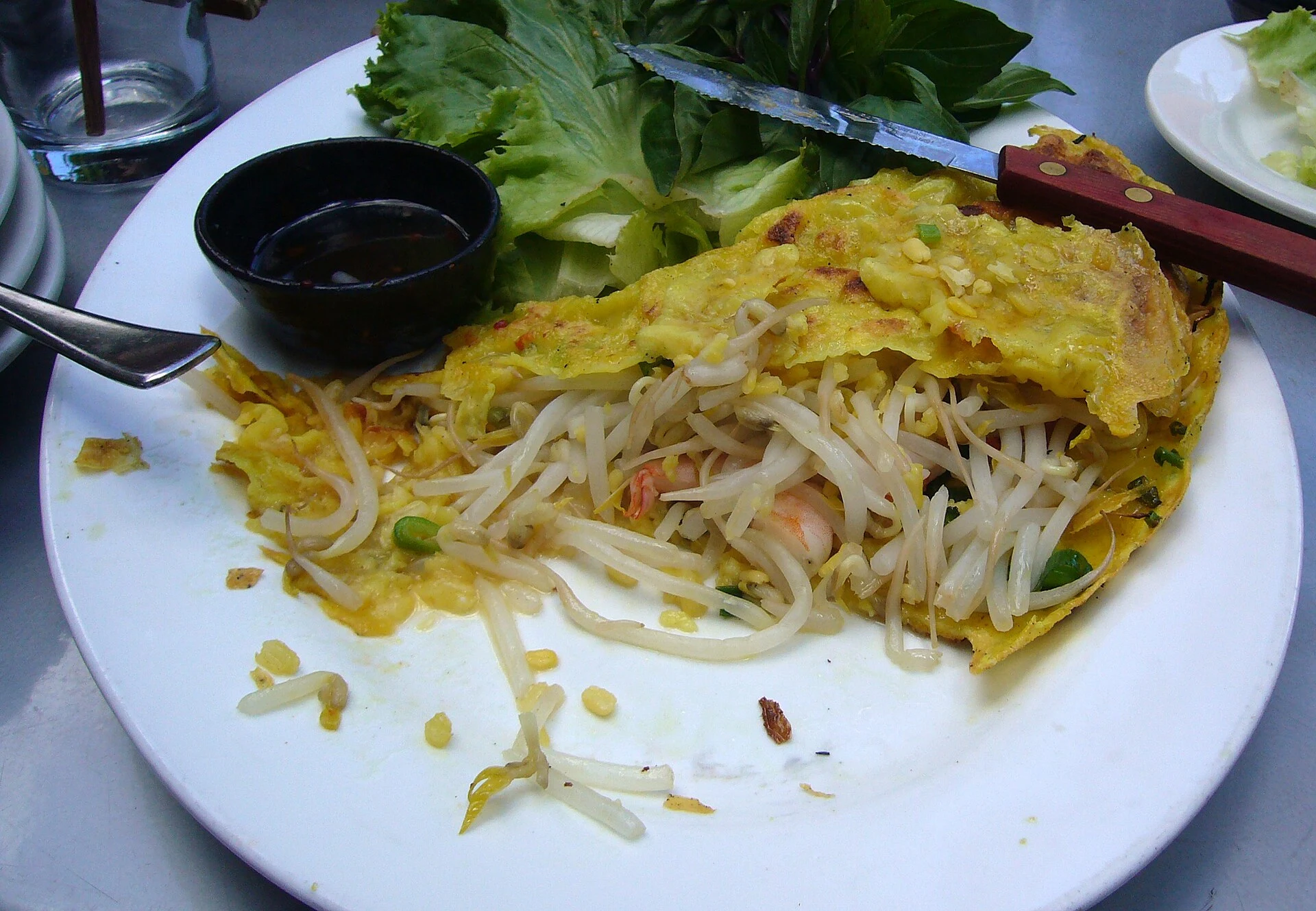
Pairings follow habit and not rules, but some are consistent enough to be useful. Pham lists Thai basil and culantro with phở; spearmint with fresh rolls and noodle salads; kinh giới with bún măng vịt; rau răm with balut, shellfish and salads; perilla and fish mint with gỏi cuốn and bún riêu or bún ốc. Mustard leaves wrap bánh xèo and bánh khọt, a pairing this site’s bánh xèo article also touches on.
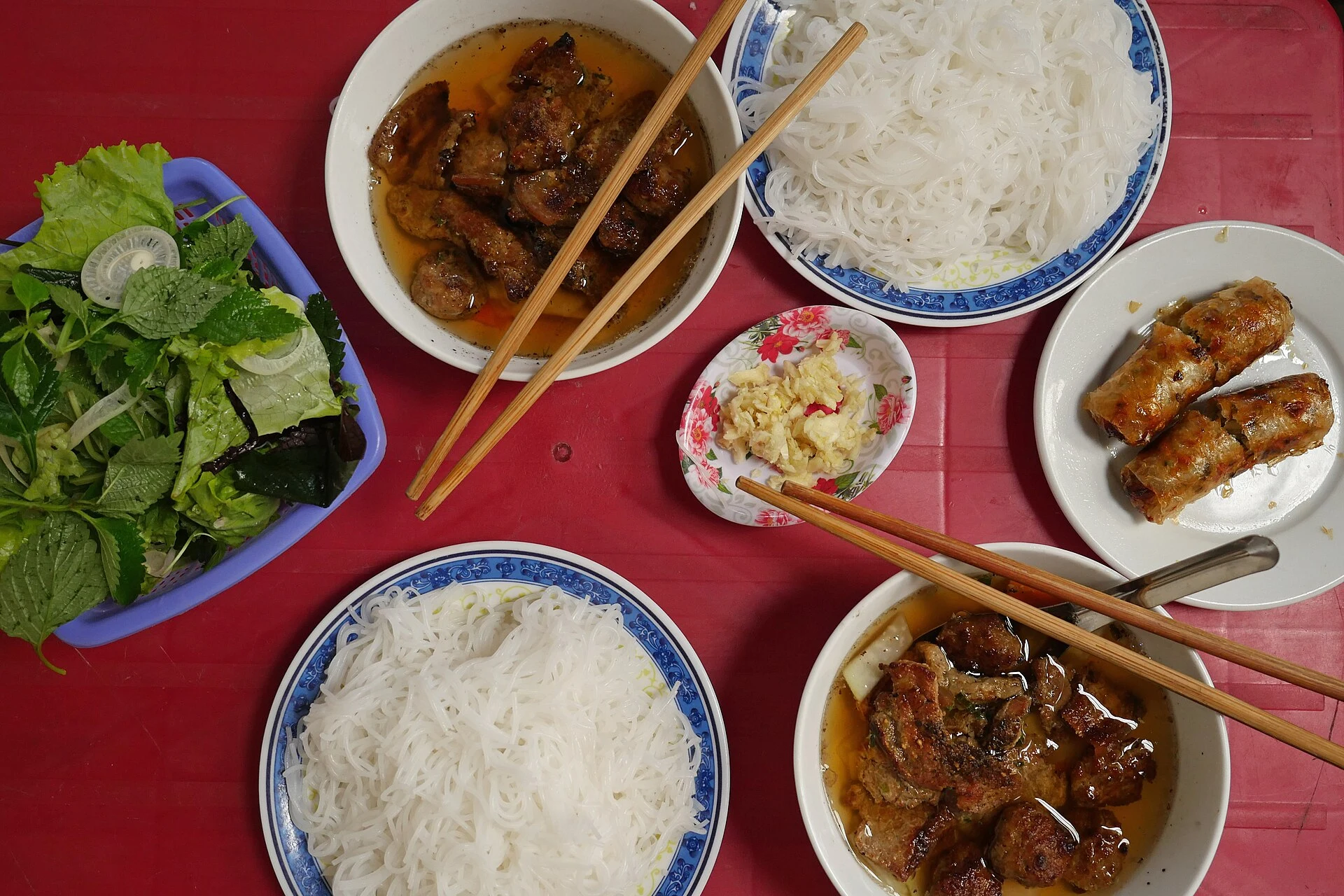
You do not have to use everything. A plate is a choice, and locals pick what they want. For bún chả, this site’s Hanoi guide treats the herbs as a counterpoint to grilled pork, so tear in a little and taste.
How to use the plate without looking lost
Pick leaves off the stems; do not drop the whole sprig in. In a soup, add them a little at a time so they wilt rather than cook. For wraps, lay a lettuce or mustard leaf down, add herbs, add your filling, and roll towards you, then dip once. If a plate is shared, use the serving chopsticks where there are any, or at least take what you touch.
Rough tearing releases more aroma, so do not be shy. Ask a server what is on the plate, and they will often enjoy telling you. For allergies, mention them early: herbs are rarely the issue, but dipping sauces with peanuts, fish sauce and shrimp paste often sit alongside them. A plain request for a different sauce is normal.
Raw herbs and clean water: the honest position
Raw greens are the part of a Vietnamese meal that heat does not protect. CDC’s traveller advice says fruits and vegetables may be safer if you can peel them or wash them in bottled or disinfected water, warns that salads may carry contamination clean water cannot fully remove, and says to avoid raw vegetables from street vendors. WHO adds a specific point: fascioliasis, a liver fluke disease, comes from aquatic or semi-aquatic plants eaten raw or poorly cooked with larvae attached.
Herbs are part of how these dishes are meant to be eaten, so this is your call. If you want to reduce the risk, choose busy places, skip water-grown greens and lean on cooked food. If you wash herbs yourself, use clean bottled or treated water. We found no reliable authority saying that a salt-water soak removes parasites.
Questions travellers ask
What is the strange-tasting leaf on my plate?
If it tastes strong, fishy and pungent, it may be diếp cá, or fish mint. Ask the server its name, and leave it aside if you do not like it. That is normal.
Are Vietnamese fresh herbs safe for travellers?
CDC advises caution with raw vegetables and salads, especially from street vendors. Decide for yourself; choosing cooked food and leaving aside water-grown greens are the simple ways to lower the risk.