
Sapa with grandparents and young children: altitude, stairs and whom a trek really suits
Fansipan’s 3,143 m summit can be reached by cable car, not always wisely. How to weigh altitude, the steps and the road when a Sapa trip spans three generations.
 Cat Ba Connect4 min read

The short answer
With grandparents and young children in Sapa, a town or gentle valley stay is usually simple; Fansipan is the decision that needs care. The cable car rises about 1,370 m to a summit area at 3,143 m, within the range where altitude sickness can occur. A day trip is less stressful than sleeping high, but children are as susceptible as adults, and some heart and lung conditions need a doctor’s advice. Separate that decision from the trek, which suits fit walkers only.
Three different mountains in one word
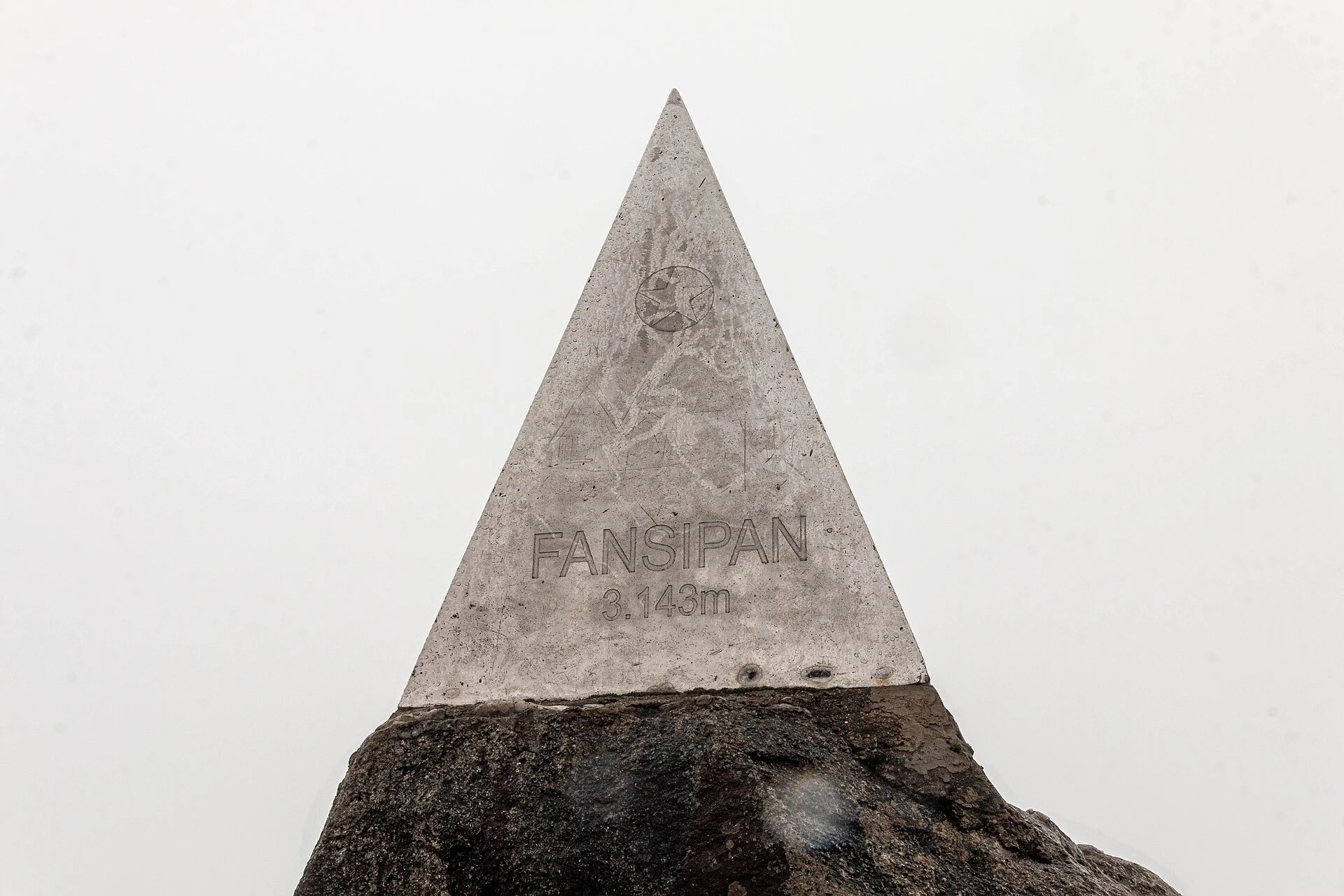
Sun World’s own figures show why Fansipan is not a normal day out. The summit is 3,143 m, and the three-rope cable car runs for 6,292.5 m across a vertical difference of about 1,369 m between its stations. You arrive without having climbed a step. NHS guidance says altitude sickness can occur above about 2,500 m and that travelling up quickly raises the risk.
A day trip is not a holiday at altitude, though. CDC’s Yellow Book says low oxygen is worst during sleep, so returning lower in the evening is much less stressful than staying overnight. Treat that as a reason for caution, not fear.
The health conversation to have before you book
CDC’s guidance has no cable-car section, so read it as a general frame. It lists unstable angina, decompensated heart failure, severe COPD, poorly controlled asthma, sickle cell anaemia and a heart attack or stroke in the past 90 days among conditions that argue against going high. Others, such as stable angina and moderate COPD, need caution and a plan. Well-controlled asthma is listed as unlikely to add risk.
It also says children are as susceptible as adults, and that pre-verbal children may show only poor appetite, irritability or pallor. If anyone in the party has a heart or lung condition, take the itinerary to a doctor before paying for it.
Steps still exist at the top
Sun World says its funicular removes the need to climb 600 stone steps from the upper cable-car station to the summit, and that the route opened the mountain to visitors of all ages. That is marketing language about access, not an assurance about your grandmother’s knees. Ask whether the funicular is running on your date, which sections remain on foot, and whether there is a lift or a step-free route to the marker.
The Muong Hoa train from the town to the cable-car station takes about six minutes, per the same page. Check on the day that it is running, and keep a taxi as the alternative for anyone who cannot manage the walk to the cable-car station.
Split the party rather than the difference
The cleanest three-generation plan is a split day. One group goes up early with a clear forecast; the others spend the morning in town or in a valley café. Agree a symptom rule before anyone leaves: NHS lists headache, nausea, dizziness and tiredness, usually starting hours after arrival. Anyone who feels unwell tells the group and goes down.
Trekking is another matter. Valley walks on uneven paths in mud suit fit adults and sure-footed older children. For anyone else, ask a local guide about a short route with a vehicle at the end, and do not let a brochure’s word easy decide.
Base and road: the quiet part of the plan
Choose a base by the walk from the door. Town rooms sit on steep streets, and a valley stay may mean a final track where a van cannot reach. Ask the owner how a person with a stick would get from the car to the room, and whether there are stairs inside.
The road from Lao Cai takes about an hour, and a child who gets carsick will feel it, so plan a stop. Do not start a trek or a cable-car ride on the morning of an overnight train. Give everyone one quiet night first; it costs a day and buys back the rest of the trip.
Questions travellers ask
Is Fansipan safe for elderly people and young children?
Many visit, but it depends on health. The summit area is 3,143 m. Children are as susceptible as adults, and heart or lung conditions need medical advice first.
Do you still have to climb steps at Fansipan?
The funicular replaces about 600 stone steps, but ask the operator which sections remain on foot and whether it is running that day.
