
Thảo quả: Sapa’s black cardamom, the forest it grows under and what it means to buy it
Thảo quả pays many Sapa households, yet it grows inside natural forest that authorities want it out of by 2030. Learn the crop, its kitchen uses and what to ask.
 Cat Ba Connect4 min read
The short answer
Thảo quả, black cardamom, is a smoky ginger-family spice grown under forest shade around Sapa and across Lào Cai, where it earns income for thousands of households. It also carries a real cost: clearing undergrowth, felling firewood and forest camps. A 2024 provincial directive bars expansion in natural forest and aims to phase it out by 2030. Buy it as a kitchen spice, ask where it came from and how it was dried, and do not expect a simple good-or-bad answer.
What it is, and what it does in a pot
Sold in Sapa as a dark, ridged pod, thảo quả is usually translated as black cardamom. Pharmacity gives the botanical name as Lanxangia tsaoko, formerly Amomum tsaoko, a ginger-family plant, and describes a shrivelled dark brown to black pod of about two to four centimetres holding 20 to 50 seeds. Its warmth and smoke end up in phở and other broths, where one or two pods go a long way.
That small dose is worth remembering in the market, where a large bag looks cheap. A kitchen cook will take months to use it. Pharmacity also warns that it can be mixed up with sa nhân and similar seeds, so check you are getting the whole pod. Give the pods a sniff and a rinse before use, and crack one open to release the seeds.
A crop that only makes sense under trees
Thảo quả grows in shade, and that is the source of both its value and its difficulty. Báo Lào Cai reported in 2020 that all cardamom plots in the province sit inside forest. Growers keep large canopy trees for shade and clear saplings and undergrowth beneath them. The harvest is hard and remote: families camp for seven to ten days, and fresh fruit is dried in the forest because it is too heavy to carry out, with ten kilos reducing to about two.
Pharmacity puts the harvest around November and December, when pods turn reddish brown. The scale is large: the same report gave about 12,477 hectares in Lào Cai, worked by some 12,438 households, with 3,872 hectares in Sapa. Those are 2020 numbers, and policy has since shifted.
The smoke in the pod has a price
The smell of a good pod comes partly from how it was dried. Traditionally that means smoke or charcoal over about three days and nights. Báo Lào Cai says the drying requires felling forest trees for firewood, and clearing the understorey stops regeneration, with the paper citing the loss of three of the four tree generations in natural forest.
Tourism feels it as well. Tents and sheds inside Hoàng Liên National Park have been criticised for reducing the wild character of routes around Fansipan. You may walk past such camps yourself. They are also someone’s workplace, and about 90 percent of households in Hoàng Liên commune grew the crop at that time, so avoid treating them as an eyesore or a photo stop.
The rule that is changing the crop
Provincial policy has hardened. Official Letter 348/UBND-NLN of January 2024, from the chairman of Lào Cai’s People’s Committee, says there should be no expansion of cardamom in natural forest and no replanting on old plots. It bans clearing regenerating trees, putting up huts in the forest for cardamom work, and felling forest trees for drying. The goal is to phase cardamom out of natural forest by 2030.
That leaves a real tension. Most of Lào Cai’s area sits in special-use and protection forest, according to the 2020 report, and the incomes depend on it. This is not a story with a villain. It also means supply and prices could change over the next few years, and that what a seller means by forest thảo quả deserves a question.
Buying it thoughtfully
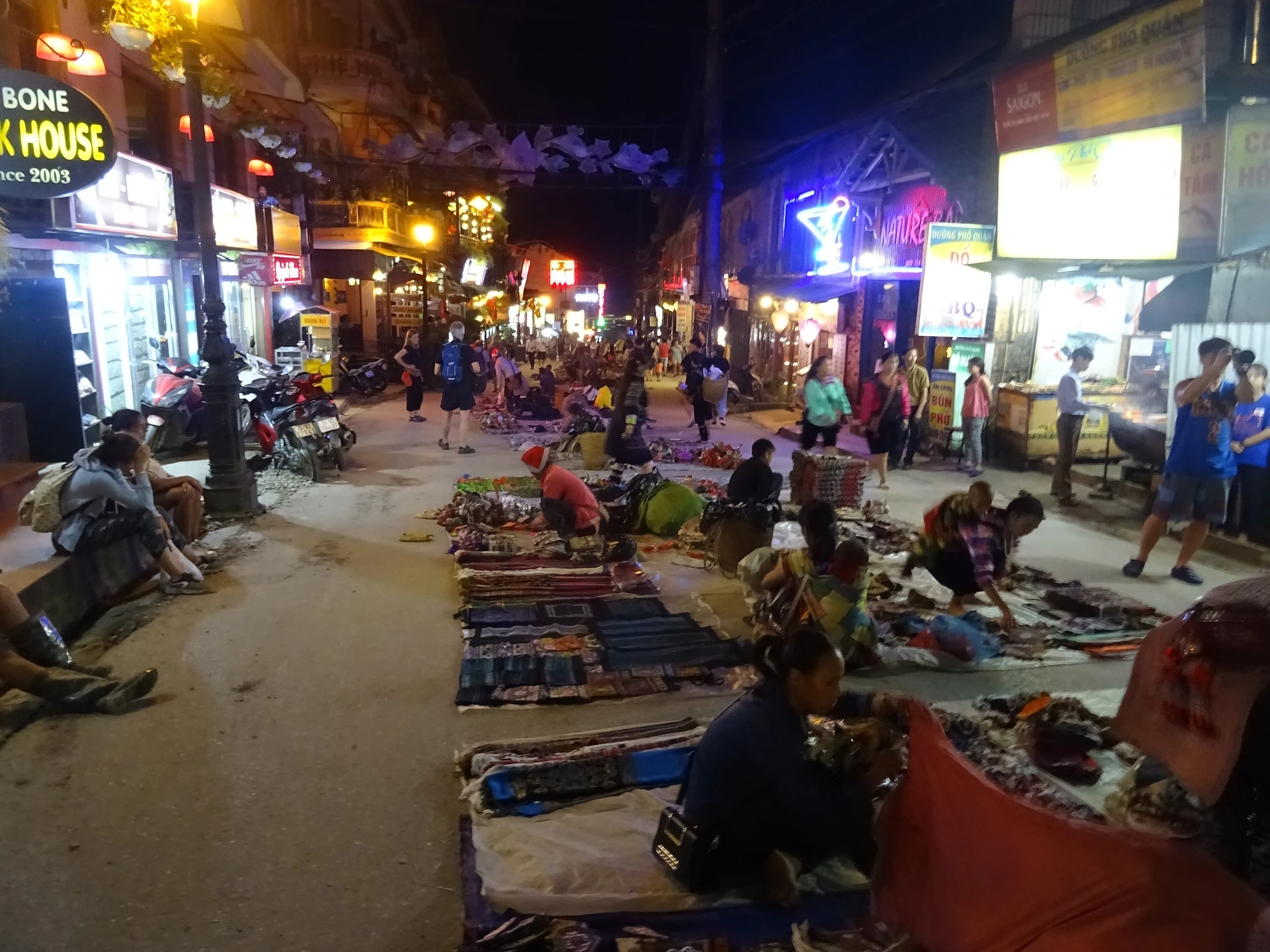
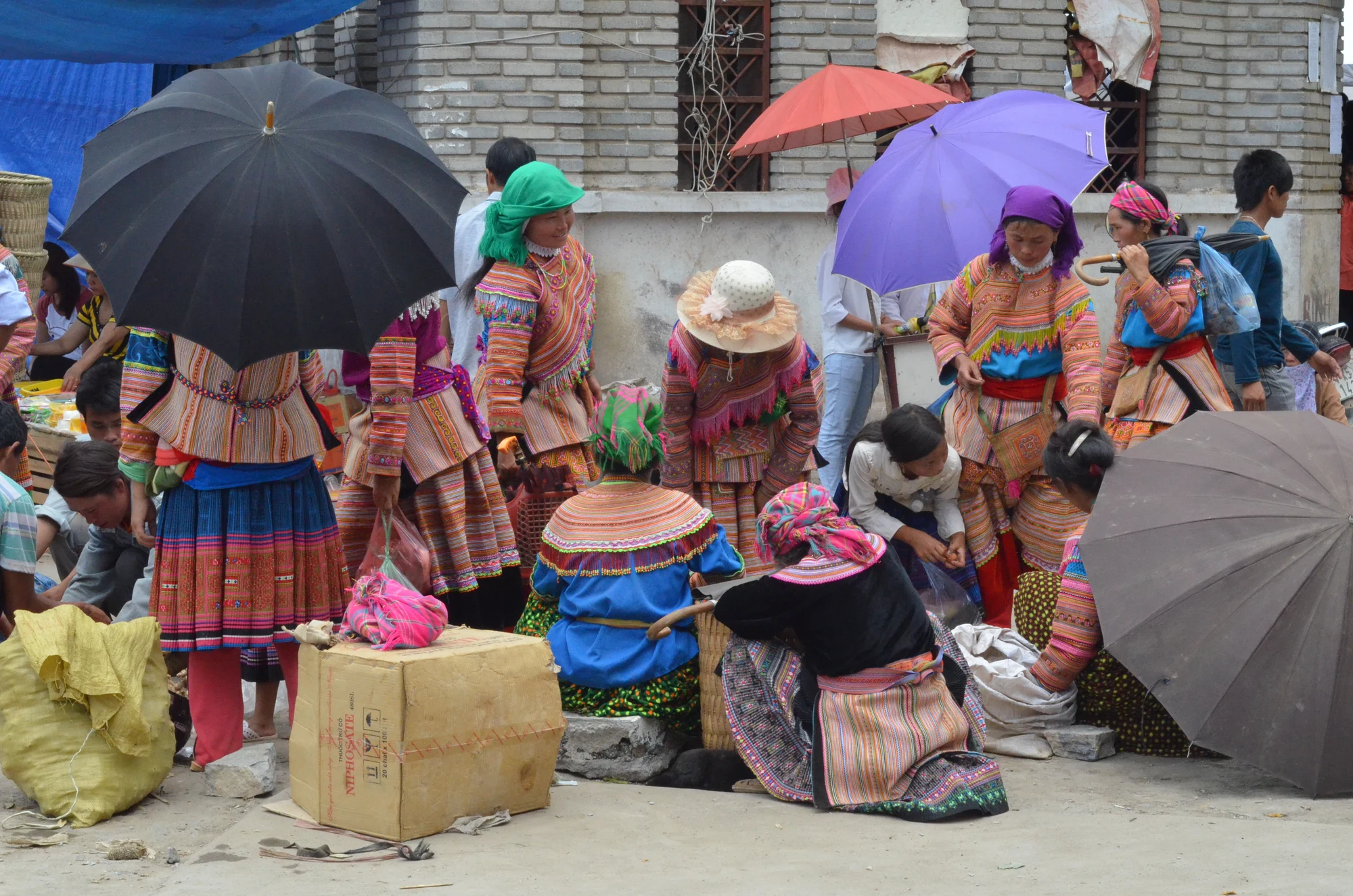
This site’s market guide covers Bắc Hà and Mường Hum if you want a working market to shop in. Ask three things: where was it grown, how was it dried and when was it picked? We could not verify any label for forest-friendly drying, so the answer will be anecdotal. A seller who can name a commune is already giving you more than a shop with a mountain on the label.
Buy a small quantity of whole pods, and store them sealed. If you are carrying it home, check rules on plant products at your destination. The Sapa food guide here gives a wider view of the highland table.
Questions travellers ask
Is thảo quả the same as green cardamom?
No. Thảo quả is black cardamom, Lanxangia tsaoko, a larger dark pod with a smoky character from drying. It is used in broths and is not interchangeable with green cardamom.
Is buying thảo quả bad for the forest?
It is complicated. Growing and drying have damaged natural forest, and Lào Cai plans to phase the crop out of it by 2030, but it also supports many households. Ask where your pods came from.
