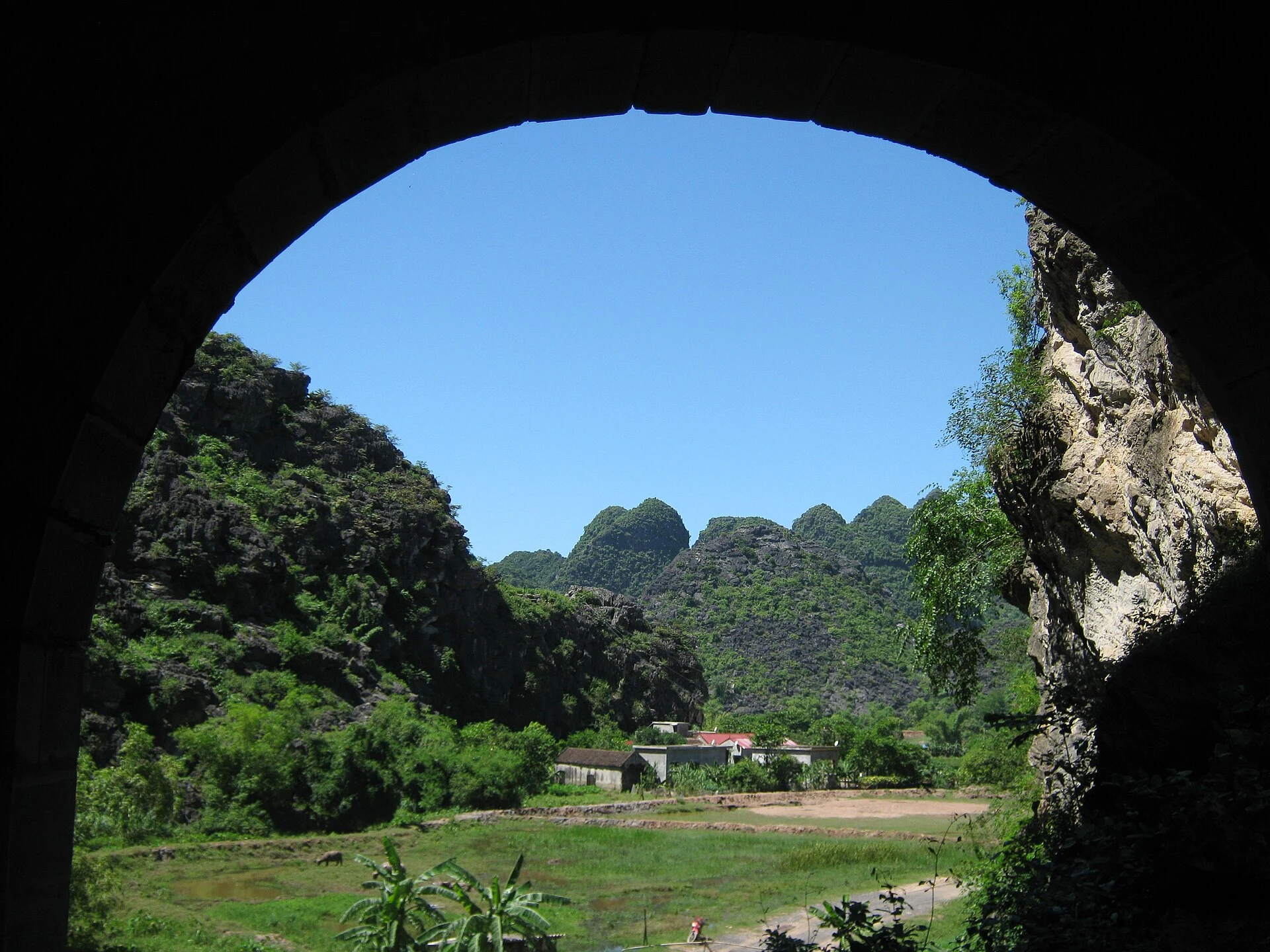
Ninh Binh’s winter mist: a photography plan for a view that may not appear
Winter mist can bless or erase Ninh Binh’s karst. A plan for Hang Mua’s 500 steps, a go or no-go rule at dawn, exposure tips and what to shoot when the view is gone.
 Cat Ba Connect4 min read
The short answer
Treat Ninh Binh’s winter mist as a chance, not a booking. From about December to January, cold mornings can lay mist over karst and river, though no forecast guarantees it. Stay two or three nights near Tam Coc, make a dawn decision from your window, and only climb Hang Mua’s roughly 500 steps if the air looks workable and the stone is dry enough. If cloud has swallowed the view, shift to boats, temples and close work. Expose bright mist with care, and pack grip and warmth.
What kind of mist you are actually hoping for
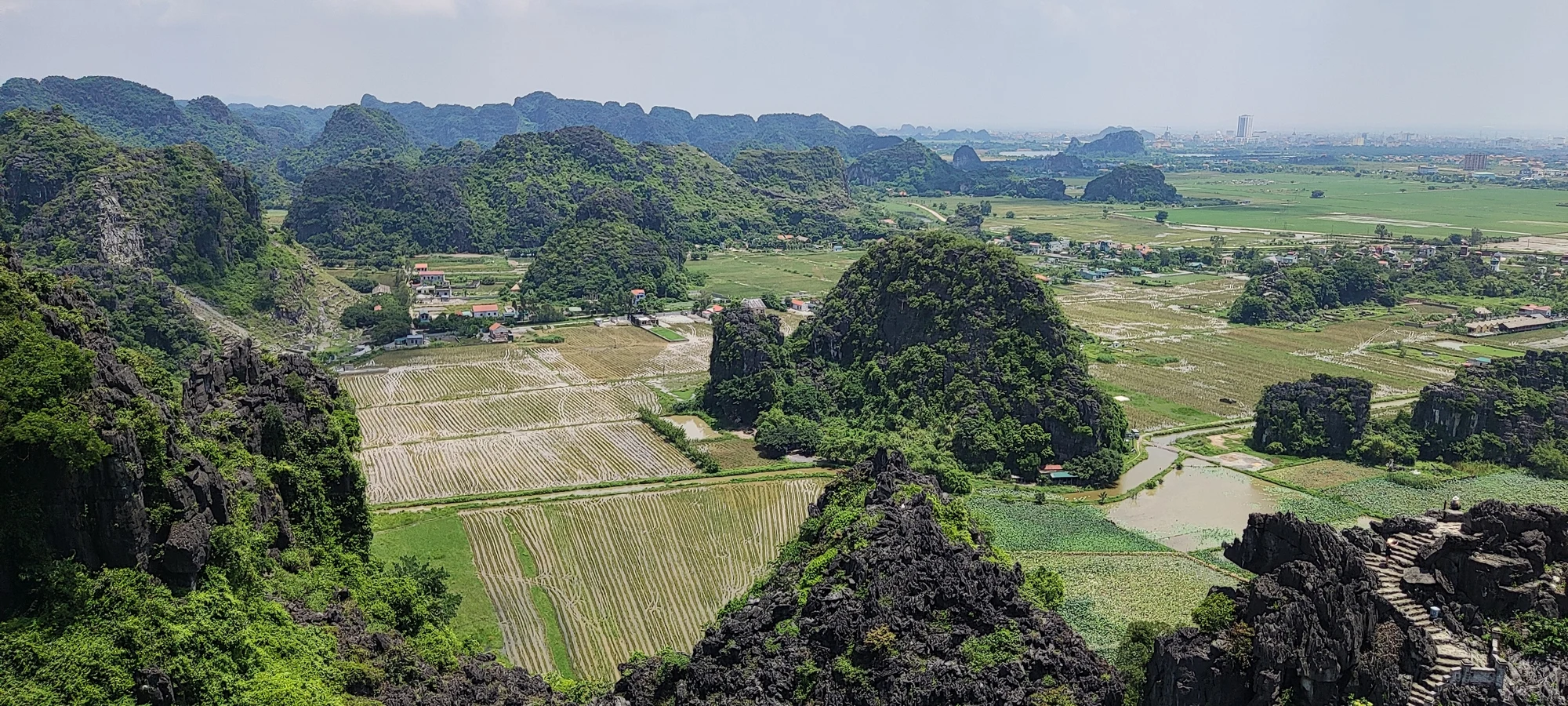
Photographers say “mist” as if it were one thing. For a Hang Mua picture you want a thin, low layer: peaks standing clear with a white floor between them. Thick cloud sitting on the peaks gives you nothing but grey. A wet haze with drizzle flattens everything. Each one needs a different decision.
Published descriptions stay broad. Vietnam Tourism describes December to March in northern Vietnam as cool to cold, misty and cloudy. A Sun Paradise Land guide puts winter in Ninh Binh at about December and January, saying mist sometimes covers the limestone and river. Neither says how often, and no daily climate figures for mist in Ninh Binh were found for this guide. That is why this is a plan for uncertainty. Budget at least two mornings, and three if the picture matters.
The dawn decision
Set the alarm, then look outside before you commit. Can you see a nearby peak from your window, or just the top half of it? Is the air still? Has it rained overnight? If the mid-distance is clear and low haze sits in the fields, go. If you see nothing at all beyond the garden, or the steps will be streaming with water, stay down and take your second plan.
Ask your host what they have seen in recent days, because local habit beats any seasonal summary. Then check that the site is open when you plan to arrive, since opening hours were not confirmed for this guide. A climb in the dark on damp stone is not a sensible risk, so wait for enough light to see your feet.
Hang Mua’s steps as a photographic constraint
This site’s Hang Mua guide explains the effort; here the issue is kit. Ninh Binh Tour puts the climb at roughly 500 stone steps, sometimes narrow and uneven. Sun Paradise Land advises warm layers and non-slip shoes for early boat rides and the climb in winter. A heavy bag makes the descent worse, so bring one body, one mid-range zoom and a cloth. A small tripod is enough, and only if you can set it up clear of the path.
At the top, the mist can move in minutes. Pick your composition early and wait for it to open. Do not stand on barriers or decorative structures for extra height, and do not block the walkway. Other people have climbed for the same view, so take your frames, then give up the spot.
Exposing a white scene
Mist fools cameras. A bright scene tends to read as grey, so dial in a little positive exposure compensation and check your histogram. Keep highlights just short of clipping, and shoot raw if you can. A longer lens compresses layers of peaks into receding tones, which is usually stronger than a very wide view in mist. Give the eye something dark, such as a ridge, boat or roofline, against the pale background.
Wipe the lens often. Damp air settles on glass, and a soft, milky photo may be condensation rather than atmosphere. Keep your batteries warm in an inside pocket, and let the camera warm slowly when you go back indoors.
When the view does not appear
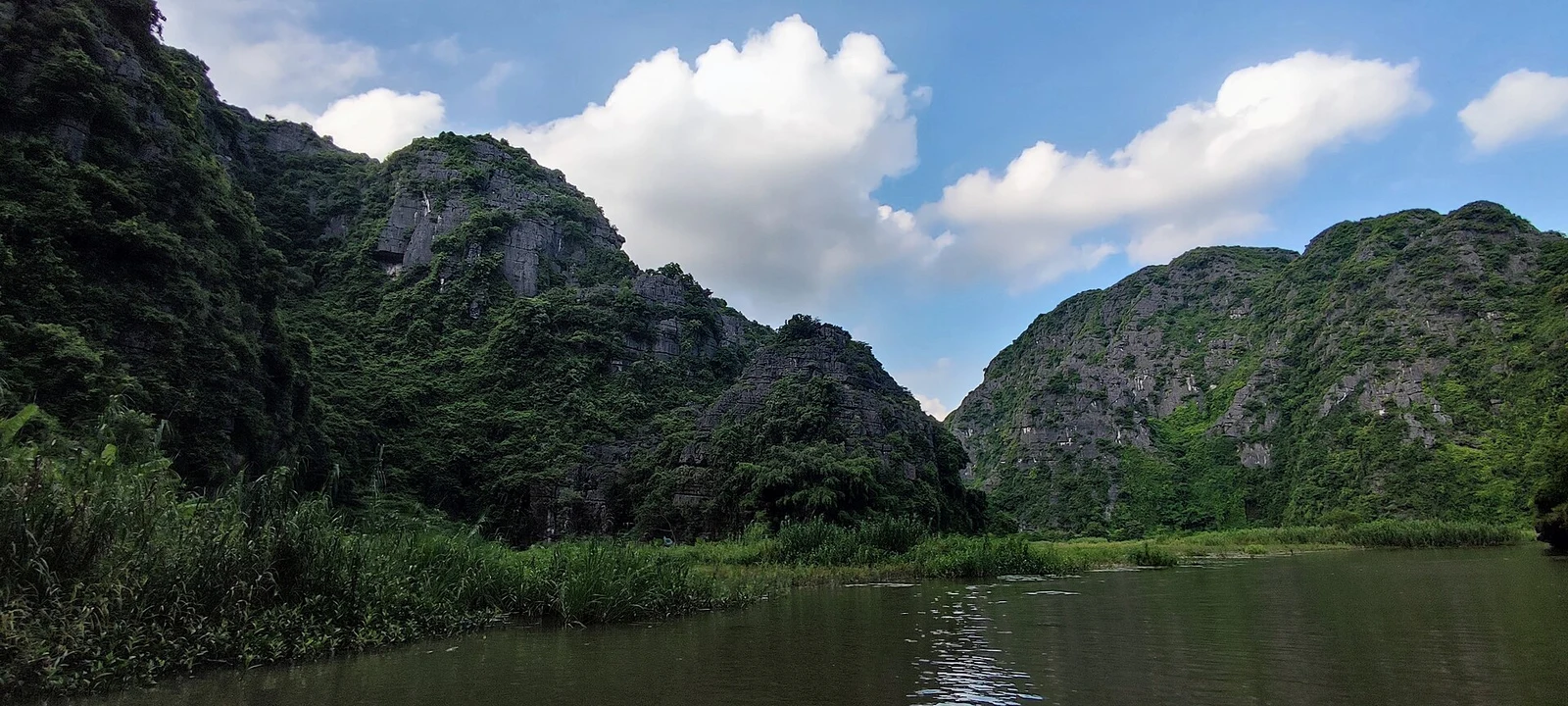
Keep a real second plan, not a consolation prize. Sun Paradise Land suggests quiet winter mornings at old pagodas and at Thai Vi temple, and these work well in soft light. Close details on a wet boat, a rower’s gloves with permission, stone steps, moss and the shapes of roofs all suit a flat sky. The site’s flexible-weather guide for Ninh Binh sets out more options.
Be honest about the result. Do not paste a fog layer into your image and call it Tuesday. A grey photo that shows real weather is more useful to the next traveller than another borrowed sunrise, and it may also be closer to what winter here looks like.
Questions travellers ask
Which month is best for mist at Hang Mua?
Published guides point to the cool months around December and January, but none gives a reliable frequency. Stay more than one night and check conditions each morning.
Is it safe to climb Hang Mua in winter mist?
It can be, in daylight and with grippy shoes, but wet stone needs care. If the steps are streaming or you cannot see them well, wait or skip the climb.