Gỏi cá nhệch: Kim Sơn’s estuary fish salad and what raw-fish caution means
Gỏi cá nhệch is an estuary fish eaten raw in wrapped leaves. A local study links raw fish to liver fluke in Kim Sơn, so here is the dish, the risk and what to order.
 Cat Ba Connect4 min read
The short answer
Gỏi cá nhệch is a raw estuary-fish salad from Kim Sơn and other northern coastal districts, wrapped in fig or herb leaves with toasted rice powder and a rich sauce called chẻo. It is eaten uncooked. Lime or vinegar does not make raw fish safe: CDC says lightly salted, smoked or pickled fish can still carry liver flukes, and a Kim Sơn study linked eating raw fish to infection. Choose a fully cooked meal if you want to avoid this raw-fish exposure.
What arrives at the table
The dish is theatre as much as food. VietNamNet describes slim strips of raw flesh with roasted rice powder on the side, a plate of more than ten leaves and herbs, and fig or guava leaves folded into a cone. VietnamPlus lists fig, đinh lăng, vọng cách, cúc tần and others, varying with place and season, along with starfruit, green banana and chilli. You build your own bite, then dip.
The dipping sauce, chẻo, carries the labour: VietNamNet says fish bones are pounded and cooked with pork belly, a sour agent, egg and spices into a thick golden sauce. That cooked sauce does not change the status of the raw fish it accompanies.
What nhệch is, as far as we can say
The fish is harder to pin down than the dish. Hai Phong’s city portal calls nhệch a brackish-water eel from Tràng Cát. VietNamNet and VietnamPlus describe a long, scaleless, eel-like fish of lagoons, river mouths and places where fresh and salt water meet. They use a Vietnamese term that could be read as catfish, which adds to the confusion. We could not verify a scientific name, so we are not giving one, and eel-like is the safest English description.
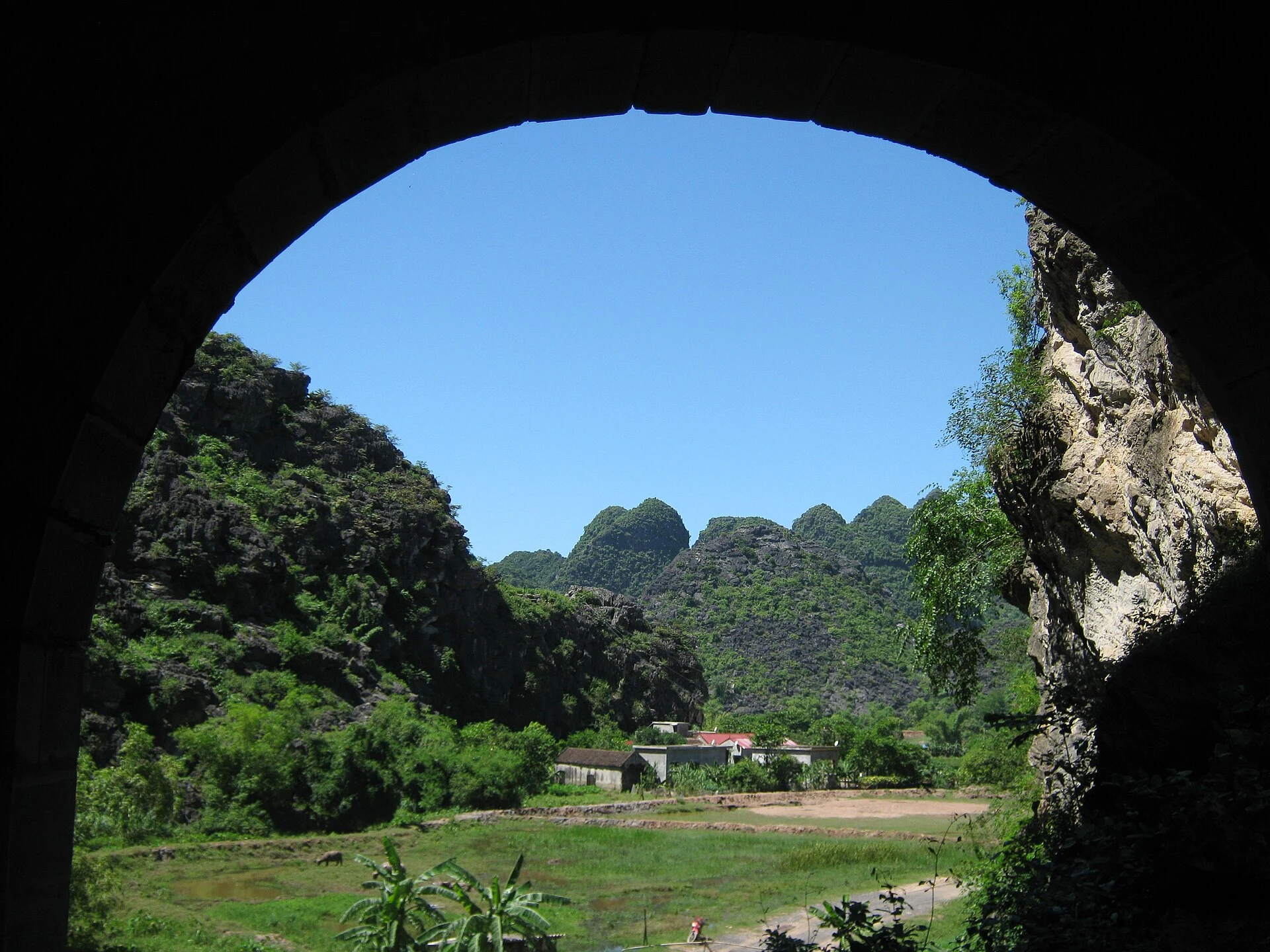
Place is also contested. VietNamNet names Kim Sơn as the best known home of the dish, alongside Nga Sơn, Tràng Cát, Thái Thụy, Giao Thủy and Nghĩa Hưng. So think of it as a northern estuary dish with a strong Ninh Binh reputation, not a Kim Sơn exclusive.
The liver-fluke risk, stated plainly
WHO says people acquire foodborne trematode infections by eating raw or undercooked fish, crustaceans or vegetables that carry the parasite’s larvae, and that these infections can cause severe liver and lung disease. CDC says Clonorchis, a liver fluke, comes from raw or undercooked freshwater fish, and can live in the bile ducts for years. Most infected people feel nothing. Those who do may have indigestion, abdominal pain, fever or jaundice, and long-term inflammation is linked to bile duct cancer, in a small percentage of cases.
This is locally relevant. A cross-sectional study of 459 adults in Yên Lộc commune, Kim Sơn district, published in 2025, found 19.39 percent infected with Clonorchis sinensis, and people who ate raw fish had about seven times the odds of infection of those who never did. The study does not single out nhệch.
Why lime, rice powder and rice spirit do not fix it
Traditional preparation can look reassuring. The flesh is scrubbed, cut thin, squeezed with lime or another sour ingredient and mixed with toasted rice powder, and VietnamPlus describes careful handling. None of this is cooking. CDC is direct: lightly salted, smoked or pickled fish can still carry infectious parasites, and only proper cooking, to an internal 63°C, or specified deep-freezing is described as safe. We found no evidence that lime, chẻo or a glass of Kim Sơn rice spirit makes raw fish safe.
One honest uncertainty remains. Clonorchis is documented in freshwater fish, and nhệch is described as a brackish and estuary fish that may also enter fresh water. We could not find testing on nhệch. So the risk for this particular fish is unmeasured, not proven safe. Treat it as raw fish in a locality where raw fish is linked to infection.
Deciding, and what to eat instead
Your decision is personal, but it should be an informed one. If you do eat it and later feel unwell, mention the meal to a doctor. CDC says routine screening is not recommended for travellers without symptoms.
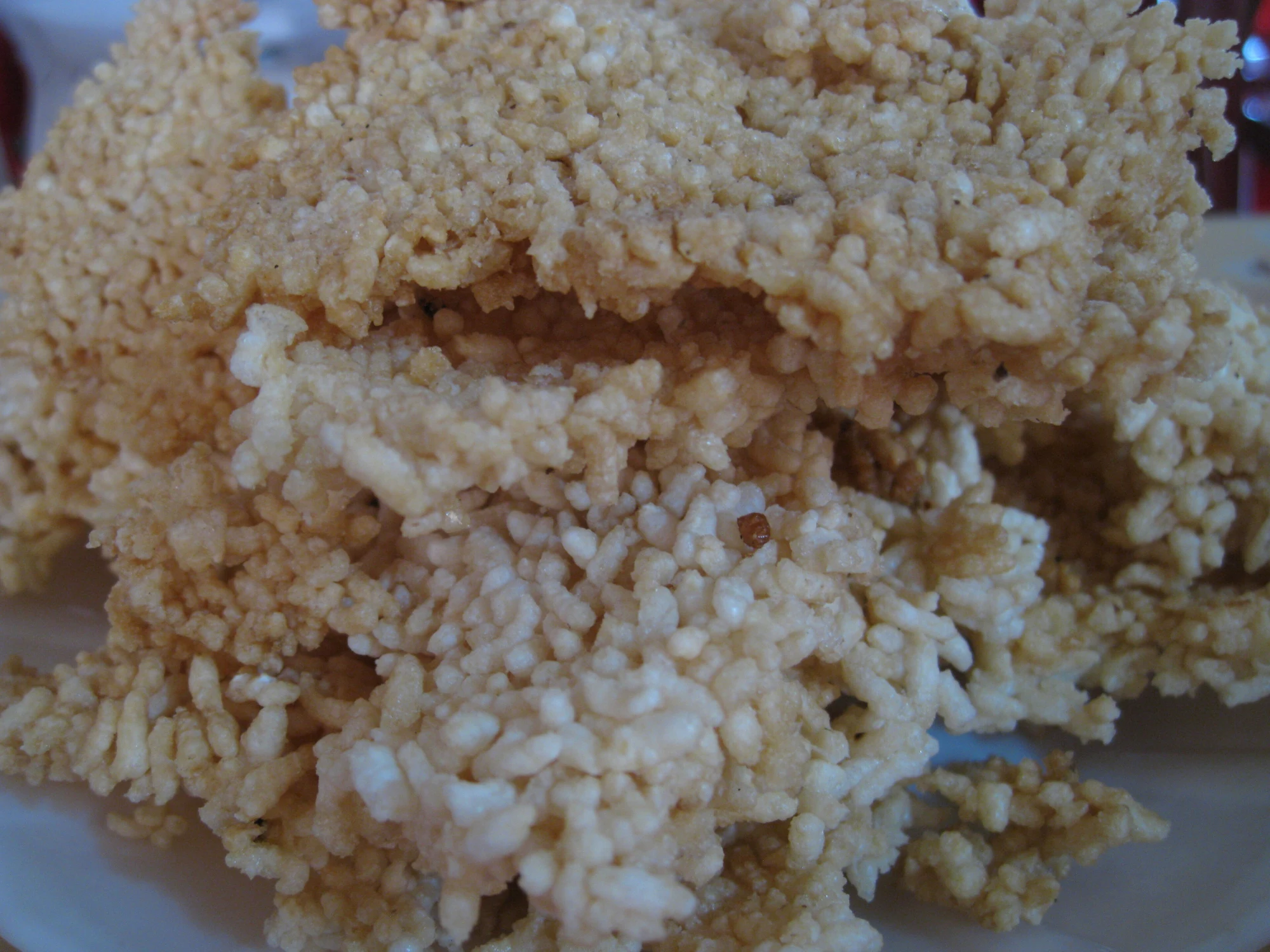
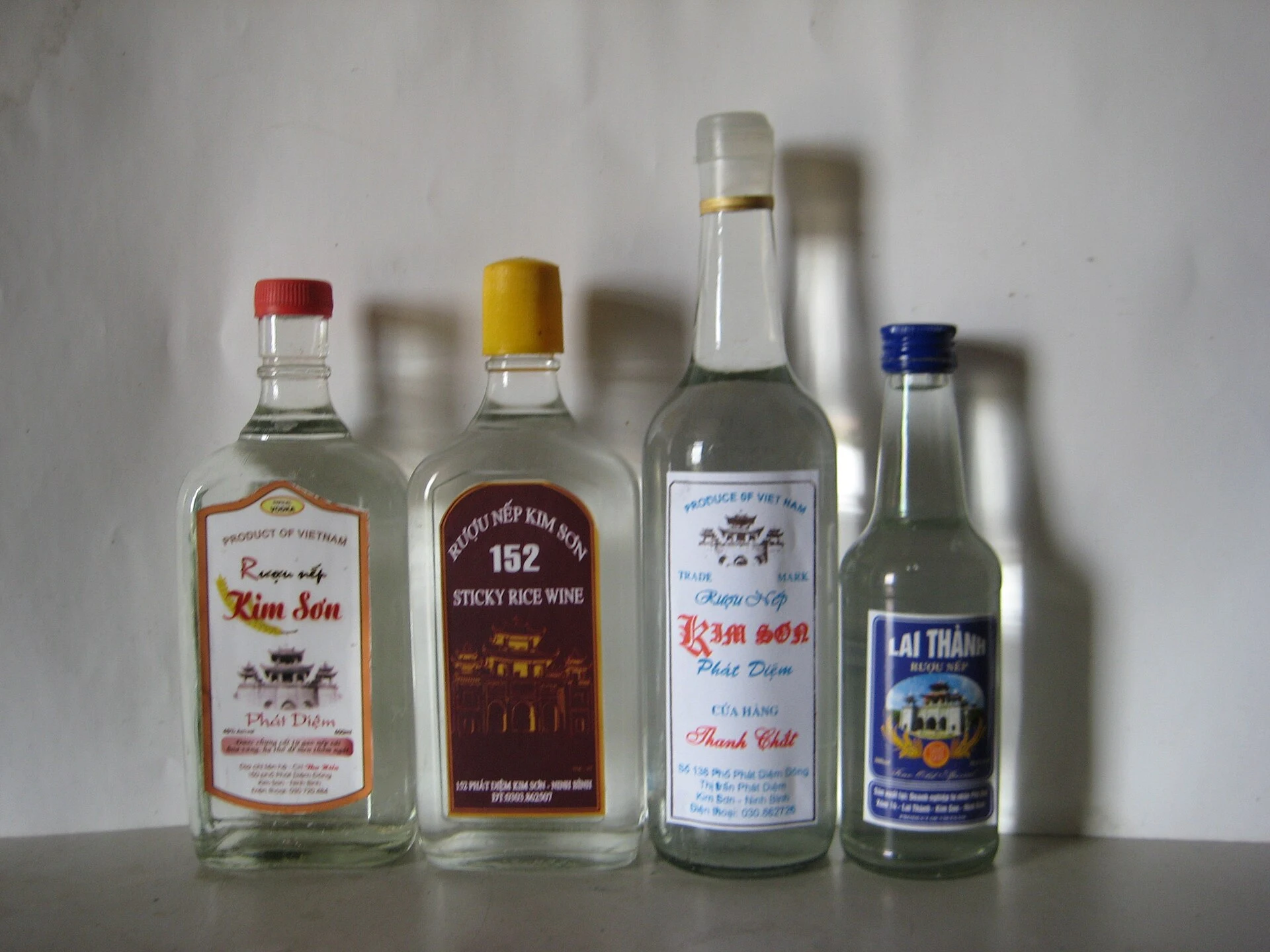
The sensible alternative is to enjoy the region cooked. Ninh Binh’s goat dishes and cơm cháy, the crispy rice, are covered in this site’s food guide, and Kim Sơn’s rice spirit has its own article for anyone interested in the district’s craft. Ask a kitchen whether it will cook nhệch. We found no source for a cooked version, so that is a question to ask, not a dish to expect.
Questions travellers ask
Does lime or vinegar make gỏi cá nhệch safe?
No. CDC says lightly salted, smoked or pickled fish can still carry infectious parasites, and sour marinades are not cooking. Only proper cooking or specified freezing is described as safe.
Has nhệch been shown to carry liver fluke?
We found no testing specific to nhệch. Studies in Kim Sơn link eating raw fish generally to liver fluke, so the risk for nhệch is unmeasured, not ruled out.