Coffee in a Hoi An heritage house: how to sit, stay and spend without crowding the old town
Many old-town cafés occupy historic houses in a shrinking neighbourhood. Here is what the old building changes for you, from floors to flood marks and manners.
 Cat Ba Connect4 min read
The short answer
A café in a Hoi An heritage house is a business inside a protected, often fragile building in a town losing its residents. Sit as you would in someone’s home: order before settling, keep bags off old woodwork, hold the noise down and give up your table when it fills. Ask before climbing to upper rooms or photographing private spaces. Expect heat, low ceilings and sudden closures in flood season, and check whether your route needs an old-town ticket.
Why the seat matters more than the coffee
The numbers explain the etiquette. Tiền Phong reported in October 2026 that the Ancient Town had only a little over 3,000 residents in 2023, that around 40 percent of original Hoi An owners had moved out, and that by 2024 only about 20 to 30 percent of monuments were still lived in. Phạm Phú Ngọc, director of the town’s heritage conservation centre, warned that if every auctioned house becomes a restaurant, the infrastructure cannot take it.
One coffee is not the cause, but you are part of the pressure and also part of the income. So a café in an old house deserves a little thought. Choosing one quiet place for an hour is a better fit for the town than hopping between five for a photo each.
Reading the room before you sit
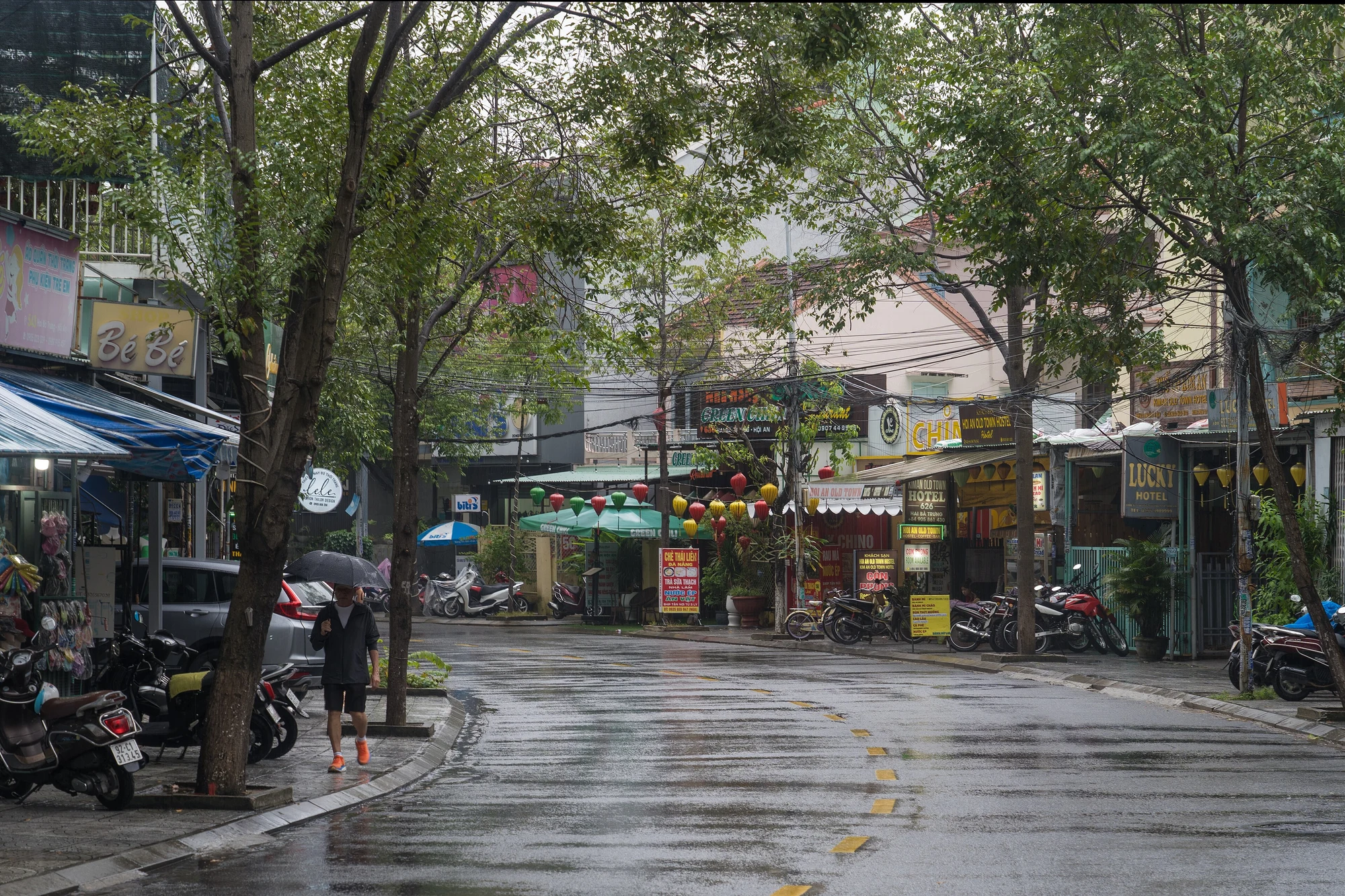
VnExpress’s 2014 description of old-town cafés still holds as a map: the main run along Trần Phú, Nguyễn Thái Học and Bạch Đằng, upstairs rooms with flower baskets on balconies, riverside places on the Hoài, and sign-free cafés down the kiệt, the small lanes. Century-old timber fronts share streets with newer interiors, so look at how the room is used, not just the façade.
Some of these are working homes as well as shops, and Vietnam Tourism points to Tân Ký, still occupied by descendants through seven generations, as an example of the town’s lived-in character. If you can see family altars, kitchens or bedding behind a curtain, stay in the customer area. Order first and ask where to sit. Keep your voice down, because timber carries sound.
Old wood, steep stairs and what you should not touch
Hoi An’s regulations are mostly aimed at owners, but they shape what you see. Quảng Nam’s rules, in force since January 2021, say repairs to high-grade monuments must keep original functions and elements, and any replacement must be necessary and accurately matched. Mr Ngọc says all repairs inside the heritage area must comply, regardless of who owns the house. So odd wiring, a low beam or a sagging door may be there because it cannot simply be changed.
Treat the fabric gently. Do not hang bags on carved posts, lean on lattice or drag heavy chairs. If a sign restricts an upper floor or a balcony, respect it, since these rooms were not built for a crowd. Old staircases are often steep, so if you have reduced mobility, ask for a ground-floor table first.
Spending well, and how long is too long
There is no published rule on lingering, so this comes down to judgement. In a large garden café on Cửa Đại road, a laptop afternoon troubles no one. In a narrow old house with four tables and a queue on the step, one drink should not hold a table through the lunch rush. Order a second drink or something to eat if you want to stay, and offer your seat when it fills.
Know the regulation’s other side too: businesses must not pressure you to buy. So if someone is steering you hard from the street, you may walk on. Being a customer does not make the whole house open to you, so ask before wandering.
Flood season and the ticket question
Late in the year, plan around water. SGGP reported that in the flood of late October 2025, the Hoài River spilled into Bạch Đằng, Nguyễn Thái Học, Trần Phú and Lê Lợi, with up to nearly 1.5 metres of water near the river. Residents moved goods upstairs, many food and drink stalls closed and officials roped off the deepest spots. If rain is forecast, do not count on a riverside café opening, and follow local instructions over any booking.
Afterwards you may notice mud lines or staff drying out a room. That is a time to spend gently, or leave them to it. Separately, ask about tickets: Hoi An’s 2022 plan described site packages across the heritage area, and rules may have changed since, so confirm at a counter.

Questions travellers ask
Do I need a ticket to visit a café in Hoi An’s old town?
We could not confirm a current rule for café visitors. Hoi An’s ticket system covers heritage-area sites, so ask at a counter or your hotel before you plan a route.
Are Hoi An heritage cafés open in flood season?
Not always. In October 2025 many food and drink stalls closed as the Hoài River flooded central streets. Check local notices and do not rely on riverside venues when rain is forecast.